

Proceedings to Begin May 11 via Video Conference
Jury to Examine Circumstances and Consider Preventive Recommendations
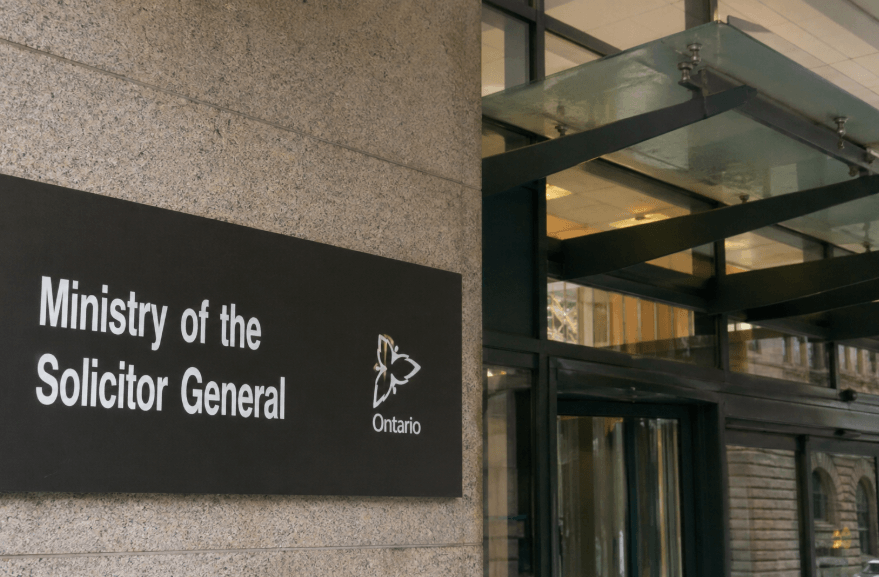
A coroner’s inquest into the death of Dwane Stec, who died while in police custody in Ottawa in 2021, is set to begin next month, according to an announcement from the Ministry of the Solicitor General.
Dr. Louise McNaughton-Filion, Regional Supervising Coroner for the East Region, confirmed that the inquest will commence at 9:30 a.m. on Monday, May 11, 2026. The proceedings will be conducted virtually and are expected to run for five days.
The inquest will be presided over by Dr. Richard McLean, with Erin Winocur serving as inquest counsel.
Mandatory Review Under Provincial Law
Mr. Stec, 49, died on January 19, 2021, while in the custody of the Ottawa Police Service. Under Ontario’s Coroners Act, an inquest is mandatory in cases involving deaths that occur in custody.
The upcoming proceedings will focus on examining the circumstances surrounding Mr. Stec’s death. As is standard in such inquests, a jury will hear evidence from witnesses and may issue recommendations aimed at preventing similar deaths in the future.
While the jury’s findings do not assign legal liability, their recommendations can influence policy, operational procedures, and oversight practices within public institutions, including law enforcement agencies.
Limited Witness List and Virtual Access
The inquest is expected to hear testimony from approximately six witnesses over the course of five days. Officials have not disclosed the identities of the witnesses ahead of the proceedings.
In keeping with broader shifts toward remote access in judicial and quasi-judicial processes, the inquest will be conducted via video conference. Members of the public will be able to observe the proceedings live through an online streaming platform.
A link to access the inquest has been provided by provincial authorities, ensuring transparency and public visibility into the process.
Role of Coroner’s Inquests
Coroner’s inquests in Ontario serve a fact-finding function rather than a fault-finding one. Their primary purpose is to establish the who, what, when, where, and how of a death. In cases involving deaths in custody, these proceedings often attract heightened public interest due to broader concerns about accountability and institutional practices.
The recommendations issued by juries, while not legally binding, can carry significant weight. Past inquests have led to changes in policing protocols, healthcare procedures in custodial settings, and training requirements for frontline personnel.
Broader Context
Deaths occurring in custody remain a sensitive issue across Canada, with ongoing scrutiny from advocacy groups, policymakers, and the public. Inquests such as the one into Mr. Stec’s death are viewed as an important mechanism for transparency and systemic review.
The Ontario government provides additional resources outlining the structure and purpose of coroner’s inquests, including how members of the public can participate or observe proceedings.
Public Access and Information
The inquest into Dwane Stec’s death will be accessible online, allowing interested parties to follow the proceedings in real time. Further details about coroner’s inquests and their processes are available through official provincial channels.
As the May 11 start date approaches, attention will likely focus on the findings and any recommendations that emerge from the jury, particularly in the context of ongoing discussions حول policing practices and custodial oversight in Canada.