

Ontario coroner to examine circumstances surrounding custodial death
Jury may issue recommendations to prevent similar incidents
An inquest has been announced into the death of 25-year-old Shawn Spaulding, who died in custody at a provincial correctional facility in 2019, Ontario’s Ministry of the Solicitor General said Monday.
In a statement dated April 20, 2026, the Ministry of the Solicitor General confirmed that Dr. Kenneth Peckham, Regional Supervising Coroner for the Central Region, Central West Office, has called the inquest as part of the province’s oversight of deaths occurring in custody.
“Dr. Kenneth Peckham, Regional Supervising Coroner, Central Region, Central West Office, has announced that an inquest will be held into the death of Shawn Spaulding.”
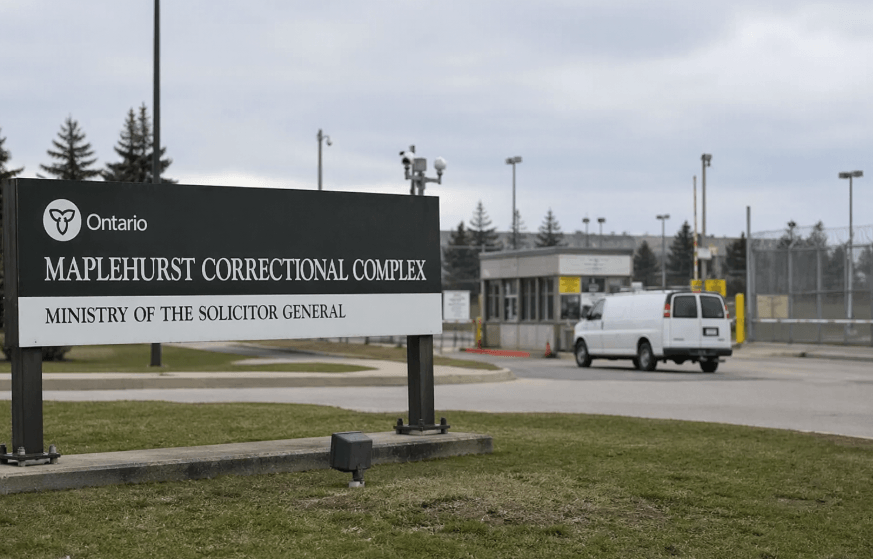
Mr. Spaulding died on March 3, 2019, while being held at the Maplehurst Correctional Complex in Milton, one of Ontario’s largest detention centres. His death falls within a category of cases that may trigger mandatory or discretionary inquests under provincial law, particularly where individuals die while detained in correctional institutions.
“Mr. Spaulding, 25 years old, died on March 3, 2019, while in custody at the Maplehurst Correctional Complex in Milton.”
Inquests in Ontario are fact-finding proceedings led by a coroner and heard by a jury. Unlike criminal trials, they do not assign legal responsibility or determine guilt. Instead, they focus on establishing the circumstances of a death and identifying potential systemic issues.
“The inquest will examine the circumstances surrounding Mr. Spaulding’s death. The jury may make recommendations aimed at preventing further deaths.”
Such recommendations, while not legally binding, often influence policy, operational procedures, and oversight practices within correctional services and other public institutions. Previous inquests into custodial deaths in Ontario have led to changes in areas such as inmate supervision, mental health care access, and use-of-force protocols.
The announcement comes amid ongoing scrutiny of correctional facilities across Canada, where advocates and oversight bodies have raised concerns about inmate safety, access to care, and conditions of confinement. Deaths in custody, particularly involving young individuals, frequently draw public attention and calls for transparency.
Details about when and where the inquest will take place have not yet been released. The ministry indicated that further logistical information will be shared at a later date, including how members of the public and media may attend or follow proceedings.
“Further details regarding the inquest, including the date and venue, will be provided at a later date.”
Inquests typically involve testimony from correctional staff, medical professionals, investigators, and, in some cases, expert witnesses. Family members of the deceased may also participate through legal counsel, ensuring their perspectives are represented during proceedings.
Ontario’s coroner system operates independently of government ministries, though it works closely with public institutions when investigating deaths. The goal is to improve public safety by identifying risks and recommending preventative measures.
For businesses and public-sector stakeholders, inquest findings can have broader implications. Recommendations may affect government spending priorities, compliance requirements, and operational standards within correctional and healthcare systems. In some cases, they can also lead to regulatory reviews or legislative changes.
The ministry directed the public to additional resources for understanding the inquest process, noting that more information is available through official provincial channels.
“For more information about inquests, see: https://www.ontario.ca/page/coroners-inquests.”
As Ontario prepares for the proceedings, the inquest into Mr. Spaulding’s death is expected to revisit events from more than seven years ago, with the aim of clarifying what occurred and identifying steps that could reduce the risk of similar incidents in the future.