

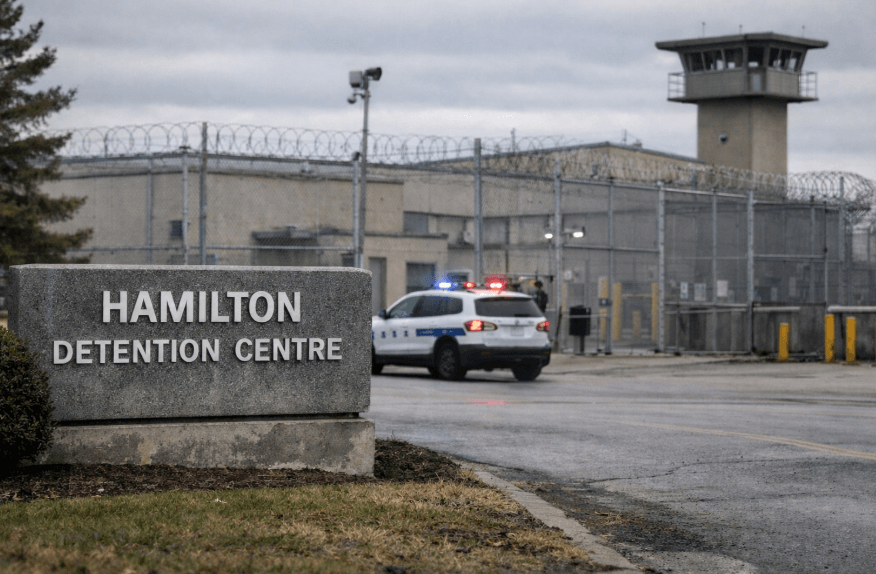
Ontario coroner to examine circumstances surrounding 2020 custodial death
Jury may issue recommendations to prevent similar incidents
The Ontario Ministry of the Solicitor General has announced that an inquest will be held into the death of Kevin Mulholland, a 51-year-old man who died while in custody at the Hamilton Wentworth Detention Centre in 2020. The proceeding is expected to scrutinize the circumstances surrounding his death and may result in recommendations aimed at improving safety and oversight within correctional facilities.
Dr. Karen Schiff, Regional Supervising Coroner for the West Region based in Hamilton, formally confirmed the inquest on April 17. In a brief statement, the ministry said, “Dr. Karen Schiff, Regional Supervising Coroner, West Region, Hamilton Office, has announced that an inquest will be held into the death of Kevin Mulholland.”
Mr. Mulholland died on August 15, 2020, while in custody at the Hamilton Wentworth Detention Centre, a provincial correctional institution that houses individuals awaiting trial or serving shorter sentences. Details about the cause of death have not yet been publicly elaborated in the announcement, but such inquests typically explore factors including medical care, supervision, institutional policies, and any systemic issues that may have contributed to the incident.
“The inquest will examine the circumstances surrounding Mr. Mulholland’s death. The jury may make recommendations aimed at preventing further deaths,” the ministry said.
Focus on accountability and systemic improvements
Coroner’s inquests in Ontario are mandatory in certain types of deaths, including those that occur in custody. While they do not assign criminal liability, they play a critical role in promoting transparency and accountability within public institutions. A jury, usually composed of five members of the public, hears evidence from witnesses, including medical experts, correctional staff, and other relevant parties.
At the conclusion of the proceedings, the jury may propose recommendations directed at government agencies, correctional services, or healthcare providers. These recommendations are not legally binding but often influence policy reforms and operational changes.
Deaths in custody remain a sensitive and closely watched issue in Canada, particularly as advocates continue to call for improved mental health supports, better staffing levels, and enhanced oversight in detention facilities. Inquests such as this one can shed light on gaps in care or procedures and help inform future reforms.
Details of proceedings yet to be released
The Ministry of the Solicitor General has not yet disclosed when or where the inquest will take place. “Further details regarding the inquest, including the date and venue, will be provided at a later date,” the statement noted.
Typically, such inquests are held in the community where the death occurred and may span several days or weeks, depending on the complexity of the case and the number of witnesses involved. Proceedings are generally open to the public, allowing for a transparent review of the evidence.
Broader implications for correctional oversight
The announcement comes amid ongoing scrutiny of custodial conditions in Ontario and across Canada. While the province has taken steps in recent years to address overcrowding and enhance healthcare services within correctional facilities, critics argue that systemic challenges persist.
Inquests like the one into Mr. Mulholland’s death are seen as an important mechanism for identifying operational shortcomings and prompting institutional change. Past inquests have led to recommendations on issues ranging from suicide prevention protocols to staff training and emergency response procedures.
For families of individuals who die in custody, the process can also provide a measure of closure, as well as an opportunity to have concerns formally examined in a public forum.
Public access to information
The ministry has directed those seeking more information about the inquest process to its official website. Educational resources outline how inquests function, the role of juries, and how recommendations are developed and communicated.
As the province prepares for the proceedings, attention is likely to focus not only on the specific circumstances of Mr. Mulholland’s death but also on broader questions about custodial care and institutional accountability in Ontario’s correctional system.