

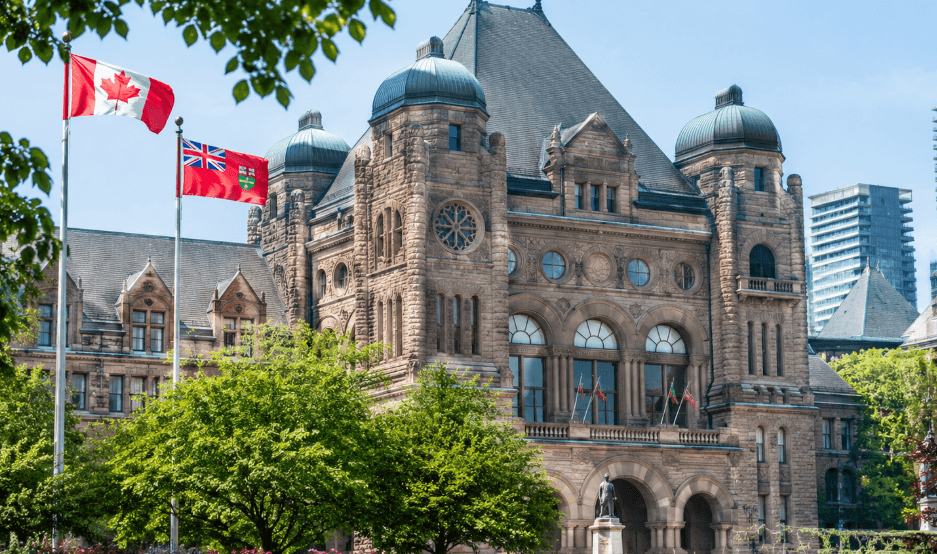
TORONTO, The Ontario government has announced the appointment of eight Heads of Council across major regional and upper-tier municipalities, introducing a leadership framework designed to accelerate housing development, improve infrastructure planning and strengthen municipal decision-making.
Rob Flack, Ontario’s Minister of Municipal Affairs and Housing, confirmed the appointments for Durham, Halton, Niagara, Peel, Waterloo and York regions, along with Muskoka District and Simcoe County.
The appointments form part of the province’s broader efforts to improve regional governance, coordinate municipal services and support economic growth in some of Ontario’s fastest-growing communities.
Ontario Names Eight Regional and Municipal Leaders
The provincial government confirmed the following appointments:
-
Kevin Ashe — Durham Regional Chair
-
Ann Mulvale — Halton Regional Chair
-
Frank Campion — Niagara Regional Chair
-
Nando Iannicca — Peel Regional Chair
-
Scott Davey — Waterloo Regional Chair
-
Steven Del Duca — York Regional Chair
-
Scott Aitchison — Muskoka District Chair
-
Don McIsaac — Simcoe County Chair
The government said the appointees bring experience in municipal administration, infrastructure development, financial management and public service.
Their responsibilities will include coordinating regional priorities, supporting municipal collaboration and overseeing policy discussions affecting communities across their jurisdictions.
Province Prioritizes Housing Development and Infrastructure Investment
Ontario is positioning the appointments as an important component of its strategy to address housing pressures, infrastructure requirements and regional economic development.
Regional governments oversee services that directly influence residential construction and business investment, including major roads, housing programs and social services.
The newly appointed Heads of Council will have powers intended to streamline decision-making, improve administrative efficiency and strengthen coordination with provincial priorities.
They will also be responsible for introducing upper-tier municipal budgets, giving them a central role in regional financial planning.
“Ontario stands at an important juncture. As we navigate geopolitical challenges and create the conditions for growth, strong leadership at the regional level is more important than ever,” said Rob Flack, Minister of Municipal Affairs and Housing.
“These appointments reflect our confidence in local leaders who bring a deep understanding of their municipalities and a proven record of performance and public service. As Heads of Council, they will foster collaboration across municipalities, support responsible growth and ensure services are delivered efficiently, so that these communities remain great places to live, work and raise a family.”
New Governance Legislation Standardizes Regional Appointments
The appointments follow the Better Regional Governance Act, 2026, which established a consistent provincial approach to selecting Heads of Council in eight upper-tier municipalities.
Under the legislation, the Minister of Municipal Affairs and Housing has authority to appoint regional chairs in the designated municipalities.
The positions were advertised through Ontario’s Public Appointments Secretariat on June 29, 2026, with applications accepted until July 13.
The province said the framework is intended to strengthen accountability and improve coordination between regional governments and provincial decision-makers.
Compensation and Municipal Representation Rules Established
Municipalities will determine compensation for the appointed regional leaders.
Where an appointee simultaneously serves as a lower-tier mayor or councillor, total compensation will be capped at the higher of the two applicable salaries.
Appointed regional chairs who also serve as local mayors will occupy one seat on regional council in their capacity as chair.
Their lower-tier municipality will appoint another representative to regional council, while the mayor continues fulfilling responsibilities at the local level.
Regional Chairs to Coordinate Services and Emergency Response
Beyond housing and infrastructure, the Heads of Council will represent the collective interests of lower-tier municipalities and advocate for regional priorities with provincial and federal governments.
Their responsibilities include chairing council meetings, guiding policy discussions and providing leadership during emergencies.
Ontario’s two-tier municipal system divides responsibilities between regional and local governments.
Upper-tier municipalities generally manage regional roads, housing and social services, while lower-tier municipalities oversee local roads, fire protection, waste collection and recreation.
The new leadership structure is expected to play an important role in coordinating these responsibilities as municipalities respond to population growth, infrastructure demands and evolving economic conditions.
For businesses, developers and residents, the effectiveness of the appointments will ultimately depend on how regional councils translate provincial priorities into infrastructure investment, housing approvals and efficient public services.
Discover more from Wire Service Canada
Subscribe to get the latest posts sent to your email.