

The National Fishing and Hunting Coalition (NFHC) is calling on the federal government to preserve public access to Canada’s protected lands and waters while advancing conservation policies, as a series of Supreme Court challenges raises questions about federal firearms regulations and the rights of lawful firearm owners.
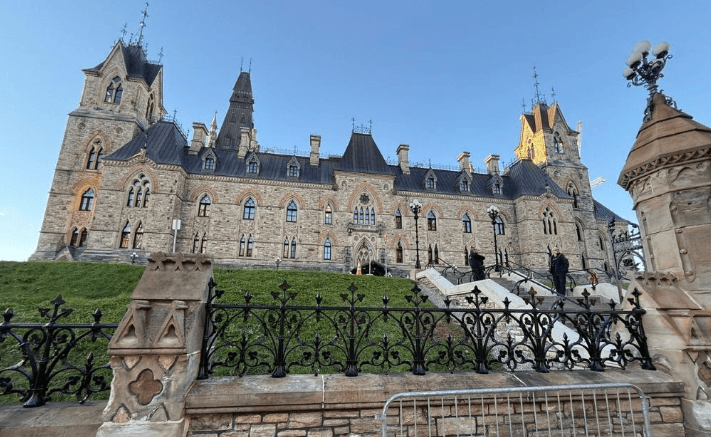
The coalition recently met with federal decision-makers in Ottawa to discuss conservation funding, habitat protection, hunting and fishing access, invasive species and firearms legislation.
Representing approximately 375,000 conservationists, anglers, hunters and sport shooters through 12 regional organizations, including the Manitoba Wildlife Federation (MWF), the NFHC is seeking greater consideration of recreational users in federal environmental and regulatory decisions.
NFHC Calls for Public Access in Canada’s Conservation Strategy
The coalition emphasized that expanding Canada’s network of protected and conserved areas should not automatically restrict opportunities for Canadians to participate in traditional outdoor activities.
According to the NFHC, hunters and anglers contribute to conservation through volunteer work, financial support and direct involvement in protecting wildlife habitats and aquatic ecosystems.
The organization maintains that effective conservation policies should balance environmental protection with responsible public access.
Habitat Banking and Conservation Funding Among Priorities
During its Ottawa meetings, the coalition also discussed Bill C-39, habitat banking and the need for sustainable conservation financing.
Habitat banking generally involves creating or restoring habitat to compensate for environmental impacts elsewhere, subject to applicable regulatory requirements.
The NFHC highlighted the importance of maintaining conservation funding in areas where habitat banking may not be practical.
Additional discussions addressed improvements to existing federal restoration programs, invasive species management and firearms policy.
The coalition subsequently provided briefing materials to federal officials outlining its priorities.
Federal Firearms Amnesty Extended During Supreme Court Proceedings
A separate development affecting Canadian firearm owners involves the extension of the federal firearms amnesty beyond its previous October 30, 2026, expiry date.
Under the extension described by the MWF, the amnesty will remain effective until 90 days after the final resolution of four related Supreme Court of Canada appeals, whether through judgment, dismissal or discontinuance.
The extension covers firearms prohibited through federal regulatory measures introduced in May 2020, December 2024 and March 2025.
Eligible individuals and businesses remain protected from criminal liability for activities specifically covered by the amnesty, provided they comply with its conditions.
However, the extension does not reverse existing prohibitions or authorize the general use of affected firearms.
Supreme Court Appeals Examine Federal Cabinet’s Regulatory Authority
Four related appeals were scheduled to be heard together by the Supreme Court of Canada on November 9 and 10, 2026.
The proceedings challenge the federal Cabinet’s May 2020 firearms prohibition and examine the scope of executive authority to classify firearms as prohibited through regulations.
The cases include:
-
Christine Generoux and others — Case 41858
-
Canadian Coalition for Firearm Rights and others — Case 41859
-
Michael John Doherty and others — Case 41860
-
Jennifer Eichenberg and others — Case 41861
The legal challenges follow years of advocacy and litigation involving firearm owners, shooting organizations, businesses and other interested parties.
Provincial Governments and Advocacy Groups Participate
Eleven intervenors are participating in the proceedings, including the attorneys general of Saskatchewan, Alberta and Ontario.
Other participants include the Canadian Constitution Foundation, Canadian Shooting Sports Association, International Practical Shooting Confederation Canada, Safari Club International, Canadian Coalition for Gun Control, British Columbia Civil Liberties Association, Ontario Rifle Association and Canada’s National Firearms Association.
Intervenors provide legal perspectives to assist the Court, and their participation does not necessarily indicate support for the appellants.
Federal Firearms Buyback Program Faces Separate Legal Challenges
Meanwhile, the Canadian Taxpayers Federation is pursuing a Federal Court challenge seeking disclosure of projected costs associated with the federal firearms buyback program.
The dispute concerns the federal government’s reliance on Cabinet confidentiality to withhold financial information.
Alberta and Saskatchewan have also introduced measures intended to restrict or limit participation in the federal buyback initiative. Those provincial actions do not invalidate federal firearms prohibitions.
Coalition Plans Continued Federal Advocacy
The Manitoba Wildlife Federation says it will continue working with NFHC partners to monitor legal developments and advocate for lawful firearm owners.
The coalition’s broader agenda remains focused on conservation investment, responsible outdoor recreation and maintaining public access to Canada’s natural resources.
As federal conservation policies evolve and firearms litigation continues, the NFHC intends to maintain its engagement with policymakers on issues affecting hunters, anglers and conservation organizations nationwide.
Discover more from Wire Service Canada
Subscribe to get the latest posts sent to your email.