

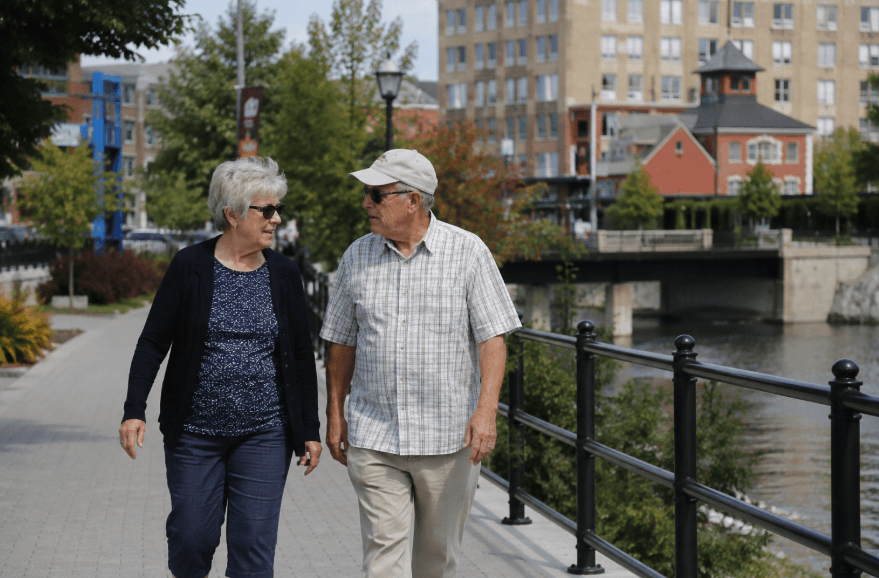
Council endorses 2026–2031 roadmap focused on healthy aging, accessibility and social inclusion
The City of Cambridge has approved a new five-year strategy aimed at improving the quality of life for its growing population of older adults, setting out a long-term roadmap to support healthy aging, stronger community connections and greater accessibility across municipal services.
Approved by Cambridge City Council on June 24, the 2026–2031 Older Adult Strategy outlines 57 recommendations designed to help residents aged 50 and older remain active, connected and supported as the city’s demographic continues to evolve. The strategy is based on community consultation and aligns with the City’s Strategic Plan, Cambridge Connected, as well as the World Health Organization’s Age-Friendly Cities Framework.
City officials say the plan reflects the increasing importance of preparing for a significant rise in the number of older residents over the coming decades. Projections indicate that Cambridge’s older adult population is expected to nearly double by 2051, creating greater demand for accessible programs, inclusive public spaces and coordinated community services.
Mayor Jan Liggett said the strategy provides a clear direction for ensuring the city remains welcoming and supportive for residents throughout their later years.
“Cambridge is a growing and changing community, and this Strategy gives us a clear path to support residents as they age,” said Mayor Jan Liggett. “By planning now, we can continue building a city where people of all ages can feel connected, respected and able to participate fully in community life.”
Community feedback shaped key priorities
The strategy was developed through extensive community engagement, with feedback highlighting four priority areas requiring attention: Community and Health Services, Housing, Communication and Information, and Respect and Social Inclusion.
In response, the roadmap recommends measures to improve access to municipal programs and services, encourage age-friendly housing considerations, enhance communication with older residents and create more welcoming public spaces where adults aged 50 and older feel respected, included and engaged.
The recommendations also emphasize strengthening volunteer opportunities, improving accessibility across municipal facilities and services, and ensuring that the perspectives of older adults are reflected in future decision-making processes.
Organization-wide approach to age-friendly planning
City Manager Rob Axiak said the strategy extends beyond individual programs and requires collaboration across all municipal departments.
“The Older Adult Strategy will guide how we develop programs, services, partnerships and spaces that support healthy aging in the city,” said City Manager Rob Axiak. “It also reinforces that age-friendly planning is organization-wide work, with departments considering older adults in both short- and long-term decisions.”
The City plans to implement the recommendations through a phased approach, with initiatives scheduled across the short, medium and long term. Planned actions include expanding programming for older adults, improving communication methods, increasing volunteer engagement, enhancing accessibility and inclusion initiatives, and building stronger partnerships with community organizations.
Municipal staff will also identify the financial resources needed to carry out the strategy. Funding requirements will be presented to Council through future operating and capital budget processes as implementation progresses.
Preparing for future demographic change
City officials say planning now is essential as Cambridge experiences demographic shifts that will reshape community needs over the coming decades.
The strategy is intended to ensure municipal services, public spaces and community partnerships evolve alongside the city’s aging population. By incorporating age-friendly principles into planning and service delivery, the City aims to help more residents age in the right place while maintaining independence, social connections and access to essential services.
The roadmap also reinforces Cambridge’s broader commitment to inclusive community planning, recognizing that accessible infrastructure, clear communication and opportunities for civic participation benefit residents of all ages.
With Council’s approval now secured, municipal staff will begin implementing the strategy in phases, bringing forward individual projects and funding requests for Council consideration as part of future budget planning. Officials say the long-term plan will help position Cambridge to meet the needs of its expanding older adult population while fostering a more connected, inclusive and age-friendly community for decades to come.
Discover more from Wire Service Canada
Subscribe to get the latest posts sent to your email.