

Civil liberties group says government actions over police-in-schools dispute raise concerns about democracy, equality, and school board independence
Judicial review to examine legality of ministerial orders issued against Greater Victoria School District
The British Columbia Civil Liberties Association (BCCLA) is set to intervene in a high-profile judicial review at the BC Supreme Court that challenges the provincial government’s decision to dismiss the Greater Victoria School Board following a dispute over police presence in schools.
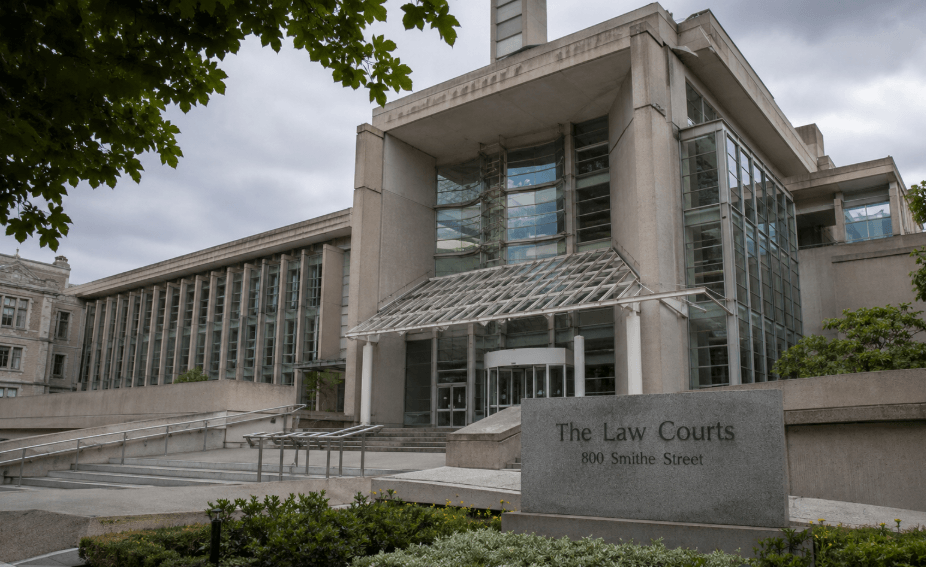
The case, Duncan et al v. British Columbia (Education and Child Care), will be heard between May 25 and June 3, 2026, at the Victoria Law Courts. The proceedings focus on three orders issued by the Minister of Education and Child Care related to the Greater Victoria School District’s approach to school safety and policing.
In a media advisory released ahead of the hearing, the BCCLA said it plans to argue that the minister’s actions violated democratic principles governing elected school boards and failed to adequately consider Charter values related to equality and non-discrimination.
The judicial review stems from a long-running dispute over the district’s decision to end its police-in-schools program. According to the BCCLA, the Minister used a series of administrative orders to compel the Board to reinstate the program, culminating in the dismissal of the elected trustees on January 25, 2025.
The Board is challenging the legality of those measures, arguing that the termination order was procedurally unfair and exceeded the authority granted to the Minister and Cabinet under provincial legislation.
School board alleges minister acted beyond legal authority
According to the court challenge, the Board contends that both the order terminating the trustees and the directive appointing a Special Advisor were issued in bad faith and were not made in the public interest.
The Special Advisor had been tasked with revising the district’s Safety Plan to include a police-in-schools program, despite the Board’s previous decision to discontinue the initiative.
The BCCLA said the case raises broader constitutional and governance issues about the balance of power between the provincial government and democratically elected school boards.
The organization plans to make two primary arguments before the court.
First, it will argue that Section 172 of the School Act — the provision the province relied on to justify dismissing the Board — should be interpreted in a manner that protects the independence of elected school boards in carrying out policy decisions on behalf of their communities.
The BCCLA maintains that allowing provincial authorities to remove elected trustees over policy disagreements could undermine local democratic governance in public education.
Equality concerns central to BCCLA intervention
The civil liberties organization also intends to argue that Charter values, particularly equality and non-discrimination protections, should shape how the court interprets the concept of “public interest” in relation to ministerial powers.
According to the BCCLA, evidence indicates that policing programs in schools disproportionately affect marginalized students, including racialized and vulnerable youth.
The group says these impacts should be considered when evaluating whether the Minister’s directives were justified.
In its advisory, the organization stated that “Charter values of equality and non-discrimination should inform the interpretation of public interest with regards to the Minister’s power to issue an administrative direction to the Board, given evidence shows that policing in schools impacts the equality rights of marginalized students in the district.”
The case is being closely watched by education advocates, civil liberties groups, and school boards across British Columbia because of its potential implications for local governance and ministerial oversight in the education system.
The outcome could help clarify the extent to which provincial authorities can intervene in decisions made by elected school boards, particularly in matters involving student safety policies and equity considerations.
BCCLA represented by Arvay Findlay lawyers
BCCLA is represented in the proceedings by David Wu, Declan Redman, and Hilary Mutch of Arvay Findlay LLP.
The hearing will take place at the BC Supreme Court in Victoria, located on the unceded Coast Salish Territory.
The judicial review is expected to draw significant attention as debates continue across Canada regarding police presence in schools and the role of local democratic bodies in shaping education policy.
Discover more from Wire Service Canada
Subscribe to get the latest posts sent to your email.