

City Highlights Importance of Census Data for Funding, Infrastructure and Community Planning
Online census packages arriving in mailboxes across the community
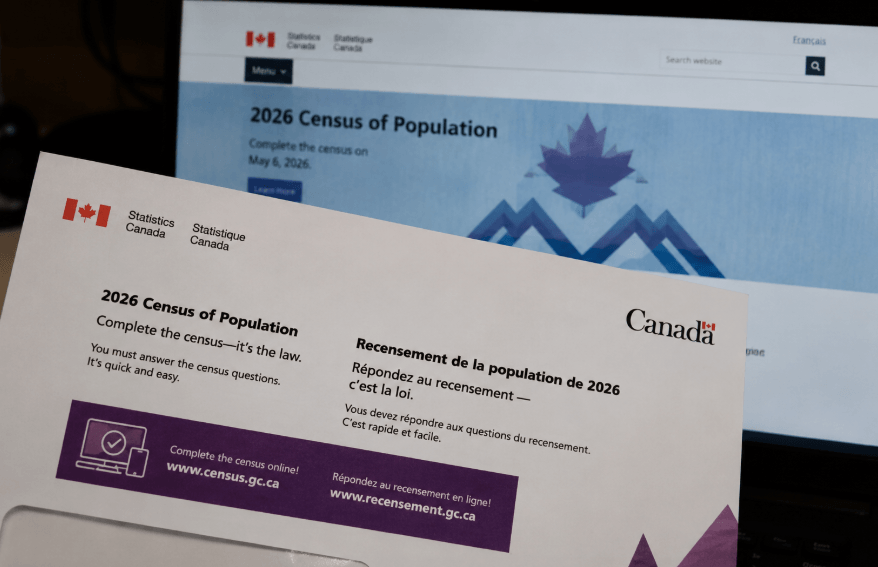
The 2026 Census is officially underway in Prince Albert, with city officials encouraging residents to complete their questionnaires as census packages begin arriving in local mailboxes.
Residents will receive a letter from Statistics Canada containing a secure 16-digit access code that allows them to complete the census online through the federal agency’s census portal. According to officials, the online questionnaire only takes a few minutes to complete.
Municipal leaders say participation in the national census plays a critical role in shaping long-term planning, public services, and government funding decisions that affect communities across Canada.
“Completing the census helps ensure our community is accurately represented when important funding and planning decisions are made,” said Bill Powalinsky. “Strong participation means governments and organizations have better information to support the services residents rely on every day.”
Census Data Shapes Long-Term Investment Decisions
Although the census is conducted every five years, the data collected has a lasting impact on policy development and investment decisions at the municipal, provincial, and federal levels.
Officials noted that census information is used by governments, public agencies, and community organizations to determine where services and infrastructure are needed most. The data also supports long-term forecasting for population growth and demographic changes.
Among the key areas influenced by census results are education planning, including the need for schools, childcare spaces, and community programming to support growing populations. Health-care planning is also heavily tied to census information, particularly when assessing future hospital capacity and regional service demands.
Municipal infrastructure projects are another major area shaped by census data. Population figures help governments prioritize investments in roads, bridges, public transit systems, and broadband internet expansion.
Housing development strategies, including affordable housing investments, are also guided by census findings. Officials say accurate population and household data are essential for understanding current and future housing pressures.
Emergency planning and community response services additionally rely on demographic information gathered through the census process. Governments and local agencies use the data to prepare for emergencies and allocate resources more effectively during crises.
Funding Allocations Depend on Accurate Population Counts
City officials emphasized that census participation directly affects how funding is distributed to municipalities, provinces, and Indigenous communities.
Federal and provincial funding formulas often rely on population statistics and demographic data collected during the census. Lower participation rates can result in communities appearing smaller or having fewer service needs than they actually do, potentially influencing future investment decisions.
In addition to infrastructure and public services, census information helps guide funding for social services, newcomer support programs, and community-based initiatives.
Officials warned that underrepresentation in census data can have long-term consequences for growing communities seeking additional resources and development support.
Residents encouraged to complete questionnaires promptly
The City of Prince Albert is encouraging residents to watch for their census access letters and complete the questionnaire as soon as possible once received.
Municipal leaders say strong participation will help ensure the city’s evolving needs are properly reflected in future planning and funding decisions.
The census remains one of the country’s most comprehensive sources of demographic and economic information, providing data that informs decisions well beyond a single election cycle.
Discover more from Wire Service Canada
Subscribe to get the latest posts sent to your email.