

Coroner Confirms Public Inquest Will Examine Circumstances Surrounding 2022 Death Following Transfer from Niagara Detention Centre
Ontario’s Office of the Chief Coroner has announced that a mandatory inquest will be held into the death of Tyson Demers, a 26-year-old man who died after being transferred from the Niagara Detention Centre to hospital in 2022.
The inquest, confirmed by Dr. Karen Schiff, Regional Supervising Coroner for the West Region, Hamilton Office, will examine the circumstances surrounding Mr. Demers’ death and may result in recommendations intended to help prevent similar deaths in the future.
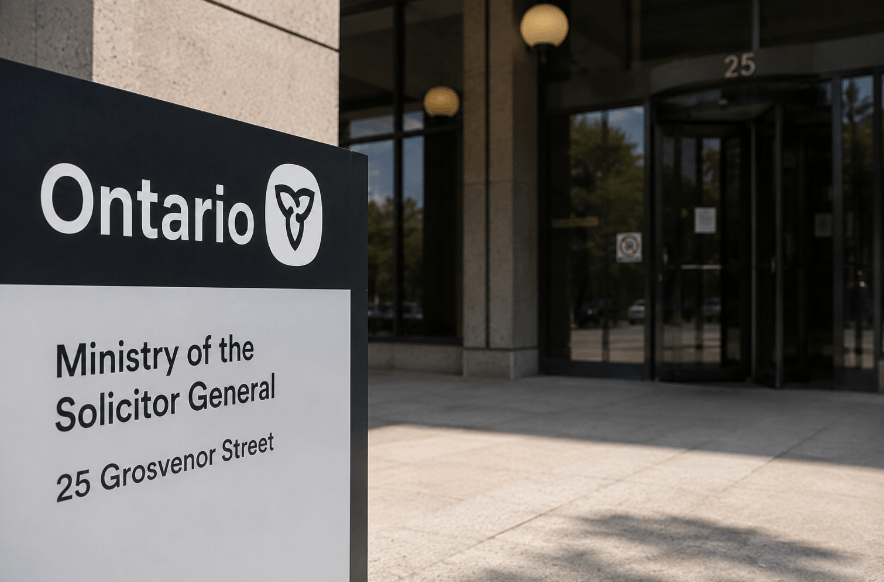
The announcement was made by Ontario’s Ministry of the Solicitor General on July 28, 2026.
Mandatory Inquest Required Under Ontario’s Coroners Act
Death Occurred Following Transfer from Niagara Detention Centre
According to the Ministry of the Solicitor General, Mr. Demers died in hospital on October 25, 2022, after being transferred from the Niagara Detention Centre.
Because the death involved an individual who had been in custody, a public inquest is required under Ontario’s Coroners Act. Mandatory inquests are conducted to examine the facts surrounding certain deaths and provide an opportunity for an independent review of the circumstances.
The province stated that the inquest will focus on understanding the events leading up to Mr. Demers’ death and identifying any potential measures that could reduce the risk of similar incidents in the future.
Jury May Issue Recommendations
Focus on Preventing Future Deaths
During the inquest, a jury will hear evidence related to the circumstances surrounding Mr. Demers’ death. At the conclusion of the proceedings, jurors may issue recommendations aimed at improving public safety and preventing future deaths.
Recommendations resulting from coroners’ inquests are not legally binding. However, they are frequently considered by government ministries, correctional institutions, healthcare organizations, and other public agencies when reviewing policies, procedures, and operational practices.
The inquest is intended to establish the facts surrounding the death rather than determine civil or criminal liability.
Date and Venue Yet to Be Announced
The Ministry of the Solicitor General said additional information, including the dates and location of the proceedings, will be released at a later time.
Interested members of the public and stakeholders will be able to attend or follow the proceedings once scheduling details are finalized.
Ontario’s Office of the Chief Coroner regularly conducts inquests into deaths that meet the criteria set out under provincial legislation. These proceedings serve both a public accountability function and an opportunity to identify lessons that may improve institutional practices and public safety.
For additional information about Ontario coroners’ inquests, members of the public can consult the provincial government’s guidance on the inquest process.
Discover more from Wire Service Canada
Subscribe to get the latest posts sent to your email.