

Coroner’s Office to Examine Circumstances Surrounding 2020 Death Following Interaction with Toronto Police
TORONTO — Ontario’s Office of the Chief Coroner has announced that a mandatory inquest will be held into the death of Sam Mirza, a 30-year-old man who died following an interaction with officers from the Toronto Police Service in 2020.
The announcement was made by Dr. Jennifer M. Dmetrichuk, Regional Supervising Coroner for the Toronto East Region, who confirmed that the inquest will proceed under the requirements of Ontario’s Coroners Act.
Mr. Mirza died on April 30, 2020, after an encounter with Toronto Police Service officers earlier that same day. The circumstances surrounding his death will be examined through the inquest process, which is designed to review the facts of a death and identify opportunities to improve public safety.
“Dr. Jennifer M. Dmetrichuk, Regional Supervising Coroner, Toronto East Region, has announced that an inquest will be held into the death of Sam Mirza.”
Under Ontario law, certain deaths require a mandatory inquest. These proceedings are conducted in public and are intended to establish the facts surrounding a death rather than assign legal responsibility or determine criminal liability.
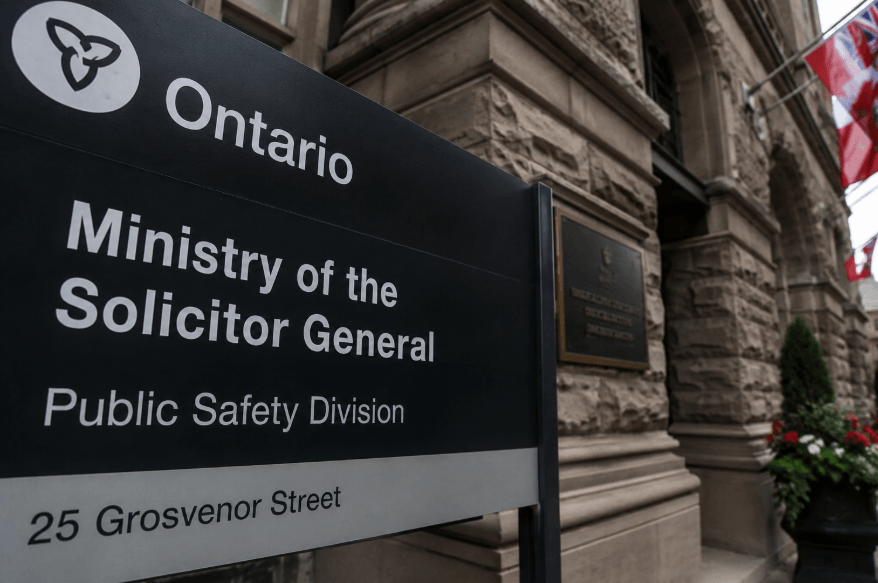
According to the Ministry of the Solicitor General, “Mr. Mirza, 30 years old, died on April 30, 2020, following an interaction with officers from the Toronto Police Service on the same day. An inquest into his death is mandatory under the Coroners Act.”
The inquest will hear evidence from witnesses and review relevant information related to the events leading up to Mr. Mirza’s death. A jury will be tasked with examining the circumstances and may issue recommendations aimed at preventing similar deaths in the future.
Such recommendations are not legally binding but can influence policy development, operational procedures, training practices, and public safety measures within government agencies, law enforcement organizations, and other institutions.
Purpose of the Inquest Process
Coroners’ inquests in Ontario serve a fact-finding role and are intended to promote transparency and public accountability. At the conclusion of an inquest, jurors may make recommendations directed at organizations or institutions that could help reduce risks and prevent future fatalities.
The Ministry noted that “The inquest will examine the circumstances surrounding Mr. Mirza’s death. The jury may make recommendations aimed at preventing further deaths.”
Inquests are commonly used to review deaths that occur in specific circumstances outlined in legislation, including certain deaths involving interactions with law enforcement or individuals in custody. The findings and recommendations generated through these proceedings are often published and made available to the public.
Details to Be Released Later
Officials have not yet announced when the inquest will begin or where it will be held. Additional information, including scheduling and venue details, is expected to be released at a later date.
The Ministry stated, “Further details regarding the inquest, including the date and venue, will be provided at a later date.”
The upcoming proceeding is expected to provide a formal public examination of the events surrounding Mr. Mirza’s death and allow the jury to consider whether any recommendations could help improve safety and prevent similar incidents in the future.
Additional information about Ontario’s coroners’ inquest process is available through the provincial government.