

Ontario Coroner to Examine Circumstances Surrounding 2020 Death
An inquest has been formally announced into the death of Derek Salonen, a 38-year-old man who died while in custody at a Toronto correctional facility in 2020, the Ministry of the Solicitor General said Monday.
Oversight Process Aimed at Preventing Future Deaths
The inquest, led by Dr. Jennifer M. Dmetrichuk, Regional Supervising Coroner for the Central Region at the Toronto East Office, will examine the circumstances surrounding Salonen’s death. Officials say the proceeding is part of Ontario’s broader system of independent death investigations designed to improve public safety and institutional accountability.
“Dr. Jennifer M. Dmetrichuk, Regional Supervising Coroner, Central Region, Toronto East Office, has announced that an inquest will be held into the death of Derek Salonen.”
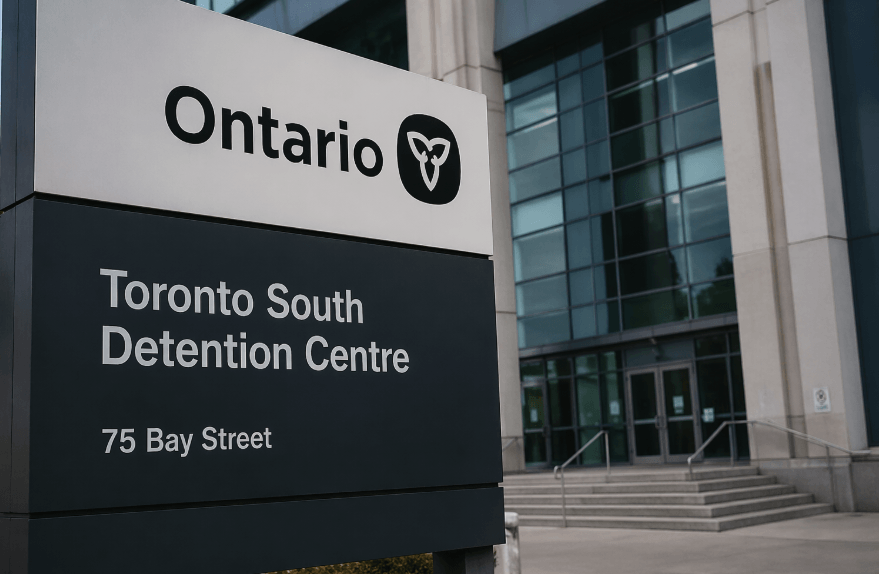
Salonen died on September 21, 2020, while in custody at the Toronto South Detention Centre, one of the province’s largest correctional institutions. His death adds to ongoing scrutiny of conditions and oversight within detention facilities in Ontario, particularly regarding inmate health, supervision, and emergency response protocols.
“Mr. Salonen, 38 years old, died on September 21, 2020, while in custody at the Toronto South Detention Centre.”
Jury to Review Evidence and Recommend Changes
Under Ontario’s Coroners Act, inquests are public proceedings where a jury hears evidence related to a death and determines the circumstances. While juries do not assign legal blame, they may issue recommendations aimed at preventing similar deaths in the future.
“The inquest will examine the circumstances surrounding Mr. Salonen’s death. The jury may make recommendations aimed at preventing further deaths.”
Such recommendations, though not legally binding, often influence policy changes within correctional services, healthcare delivery in custody, and staff training procedures. Previous inquests in Ontario have led to reforms in areas such as mental health support, use-of-force policies, and monitoring of vulnerable inmates.
Details Pending on Timeline and Location
At this stage, provincial officials have not confirmed when or where the inquest will take place. The Ministry indicated that logistical details will be released at a later date as preparations move forward.
“Further details regarding the inquest, including the date and venue, will be provided at a later date.”
Inquests can take months—or in some cases years—to be scheduled, depending on the complexity of the case, availability of witnesses, and procedural considerations.
Broader Context: Transparency and Institutional Accountability
Deaths in custody remain a sensitive issue in Canada, often raising questions about systemic risks within correctional facilities, including overcrowding, access to medical care, and crisis intervention practices. Public inquests serve as one of the primary mechanisms for transparency, offering families, advocacy groups, and the public an opportunity to understand what occurred and whether safeguards were adequate.
In Ontario, the Office of the Chief Coroner oversees such investigations, with regional supervising coroners like Dmetrichuk responsible for initiating inquests where required. These proceedings are mandatory in certain categories of deaths, including those occurring in custody.
Access to Information
The Ministry has directed the public to additional resources for understanding the inquest process and its role within Ontario’s death investigation system.
“For more information about inquests, see: https://www.ontario.ca/page/coroners-inquests.”
As the province prepares for the upcoming proceedings, the inquest into Derek Salonen’s death is expected to draw attention from legal experts, correctional oversight bodies, and civil society groups focused on justice and institutional reform.