

WASHINGTON, D.C. — A coalition of environmental organizations, family farm advocates and community groups is urging US lawmakers to reject proposed federal permitting legislation, warning that the changes could weaken water pollution safeguards, accelerate industrial agriculture expansion and expose rural communities to greater environmental and public health risks.
Dozens of organizations have signed a letter opposing the Bipartisan American Affordability and Jobs Act (BAAJA) of 2026 ahead of a scheduled Senate vote. The groups argue that the legislation, promoted as a way to improve affordability, create jobs and accelerate infrastructure development, could significantly reduce regulatory oversight of major industrial polluters.
Environmental Organizations Challenge Proposed Permitting Reforms
The opposition campaign is led by Food & Water Watch, Campaign for Family Farms and the Environment, Center for Food Safety, Institute for Agriculture and Trade Policy, National Family Farm Coalition and Waterkeeper Alliance.
According to the coalition, the proposed legislation would weaken protections under the Clean Water Act and narrow environmental reviews conducted through the National Environmental Policy Act.
The organizations contend that these changes could make it easier for large agricultural operations to obtain permits while limiting the authority of regulators to impose environmental safeguards.
Center for Food Safety Legislative and Policy Coordinator Reagan Ferris said: “While advertised as a means of increasing access to cheap energy and job opportunities, BAAJA would ultimately benefit major polluters like fossil fuel developers and factory farm operators at the expense of the vulnerable communities, individuals, and species. Currently, states and Tribes have the right to oppose or place conditions on federal pollutant discharge permits that could impact their territory’s water quality. Under BAAJA, they would only be allowed to place conditions that would be ‘least burdensome,’ for the permit holder. Protecting clean water is not a burden, it is an essential for life itself.”
Factory Farm Pollution Raises Concerns for Rural Communities
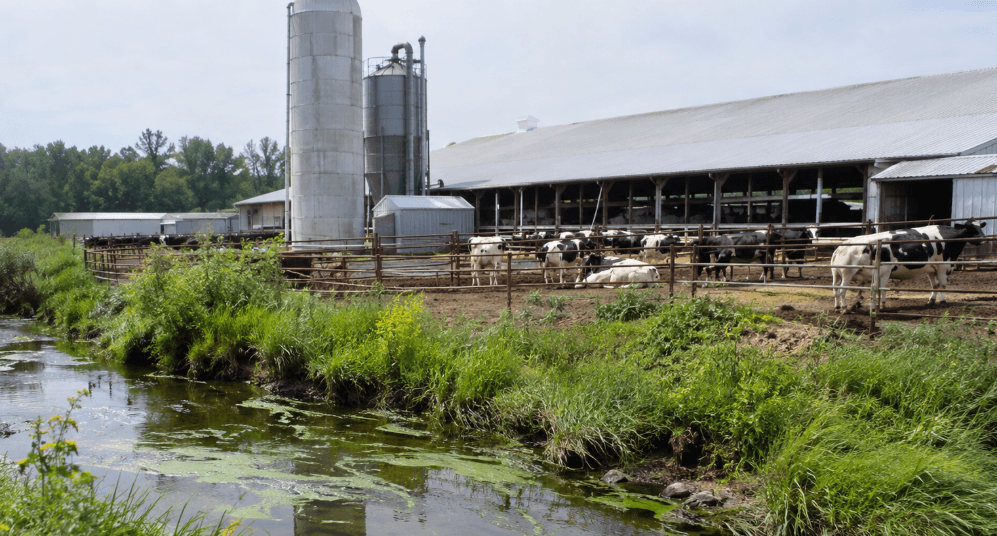
Industrial livestock operations, including concentrated animal feeding operations, have long faced scrutiny over manure management, nutrient runoff and contamination of surrounding waterways.
Environmental advocates argue that weakening permitting requirements could increase pollution risks for communities that depend on local rivers, groundwater and wells.
Food & Water Watch Food Policy Director Rebecca Wolf said: “This permitting legislation is a giveaway to America’s most polluting industries. By loosening bedrock environmental laws, this bill will fast-track toxic industrial agriculture pollution nationwide. Factory farms are already wreaking havoc on our health, our communities and our water — this would make it much worse. Congress must stop this cynical industry ploy.”
Patty Lovera of the Campaign for Family Farms and the Environment said: “For decades, communities across the country have suffered with the environmental and public health impacts allowed under the ineffective permitting system for factory farms. Creating even more loopholes for corporate-controlled factory farms under the guise of permitting reform is the wrong approach.”
Climate and Agricultural Sustainability Implications
Beyond water quality, the coalition warns that accelerating industrial agriculture development could increase greenhouse gas emissions and complicate long-term environmental planning.
Ben Lilliston, Director of Climate and Rural Strategies at the Institute for Agriculture and Trade Policy said: “Rural communities around the country are facing the impacts of air and water pollution tied to large-scale factory farms – and these issues surfaced in the elections last week across many states. BAAJA threatens to weaken bedrock environmental protections that safeguard rural communities, while it could lock in significant agriculture greenhouse gas emissions into the future.”
Family Farmers Call for Stronger Federal Oversight
Agricultural advocates also argue that weakening environmental standards could disadvantage smaller farming operations that rely on clean water and healthy surrounding ecosystems.
Tim Gibbons with the National Family Farm Coalition said: “Our federal government should be strengthening rules to protect our land, water, natural resources and property rights from corporate industrial livestock operations, not weakening them. Family farmers depend on the Clean Water Act to protect the health of their families, their communities, and the wells and waterways they and their livestock depend on for safe drinking water. Our elected Representatives should dismiss the Bipartisan American Affordability and Jobs Act (BAAJA) of 2026 that threatens those protections.”
Water Protection Concerns Extend Beyond Agriculture
The coalition also questions whether faster permitting for energy-intensive infrastructure, including data centres, should come at the expense of existing environmental protections.
Kelly Hunter Foster, Waterkeeper Alliance Senior Attorney said: “Concentrated Animal Feeding Operations and corporate slaughterhouses are major sources of water pollution, threatening drinking water, fisheries, and recreational waters nationwide. Rather than weaken environmental laws to fast-track data center energy projects, we should fully implement protections like the federal Clean Water Act. It is reckless to weaken safeguards against industrial pollution for an industry that poses its own serious threats to our water resources and communities.”
Senate Decision Could Shape Future Environmental Regulation
The proposed legislation highlights competing priorities between accelerating industrial investment and maintaining environmental oversight.
For agricultural businesses, rural communities and environmental regulators, the outcome could influence future permitting requirements, compliance obligations and water protection standards.
The coalition is calling on Congress to reject the legislation, maintaining that economic development should not come at the expense of public health, agricultural sustainability or clean water protections.
Discover more from Wire Service Canada
Subscribe to get the latest posts sent to your email.