

Multisectoral research initiative identifies behavioral and operational barriers to improve national vaccination coverage
Quezon City, Philippines — Health authorities and international partners are advancing cervical cancer prevention efforts in the Philippines through a data-driven strategy aimed at strengthening human papillomavirus (HPV) vaccination programs nationwide.
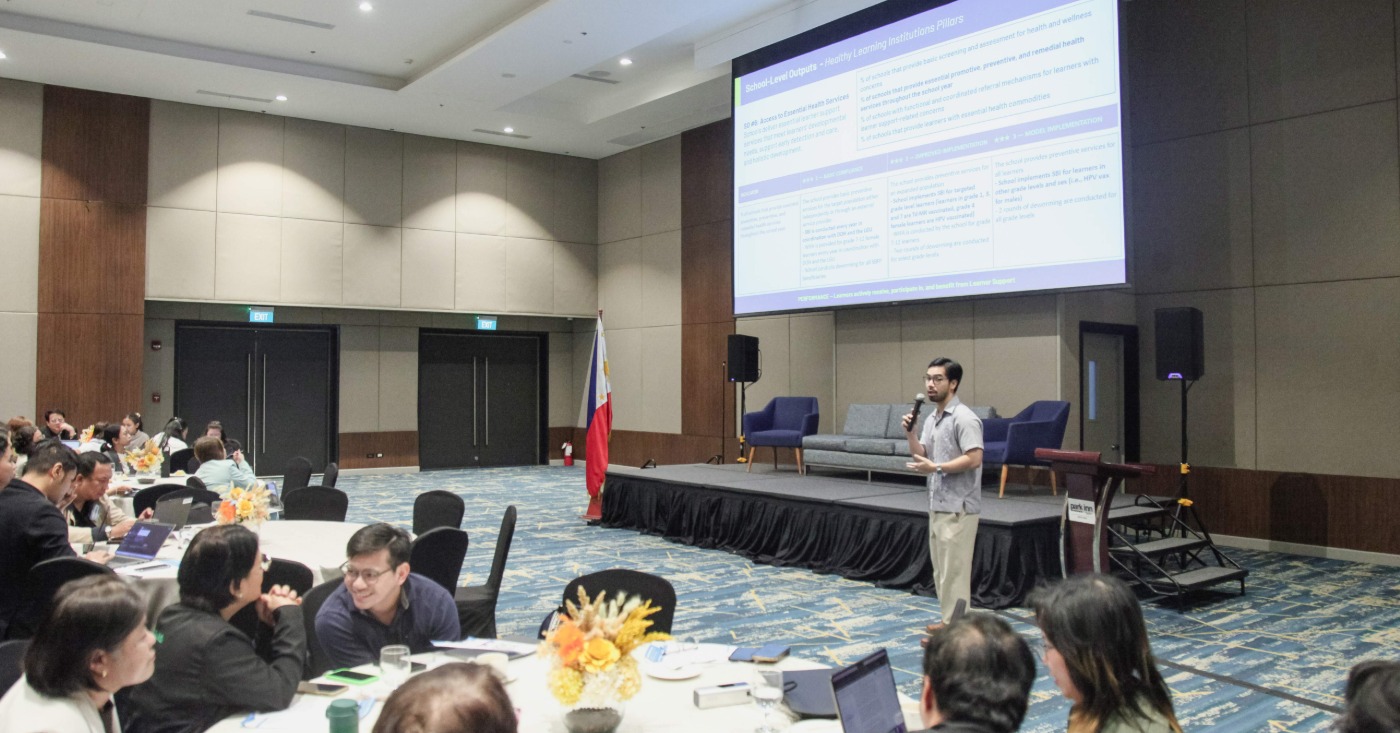
The U.S. Centers for Disease Control and Prevention (CDC), in partnership with Jhpiego, an affiliate of Johns Hopkins University, recently convened a multisectoral National Dissemination Forum to present findings from the field testing and validation of the Behavioral and Social Drivers (BeSD) Tool for HPV vaccination. The research initiative examined how social, behavioral, and operational factors influence vaccination decisions among Filipino families.
The forum marked a key step in translating research findings into practical strategies to improve HPV vaccine uptake and ultimately reduce the burden of cervical cancer in the country.
The study gathered insights from a wide range of stakeholders, including parents, teachers, community health workers, and adolescent girls. Through surveys and in-depth interviews, researchers explored the motivations, barriers, and social dynamics that influence vaccination decisions within households and communities.
The initiative was implemented under the Enhanced Global Health Security (EGHS) project, with Jhpiego providing technical assistance to the Philippines’ Department of Health through its Health Promotion Bureau (HPB) and the National Immunization Program (NIP) under the Disease Prevention and Control Bureau (DPCB). The project also involved collaboration with the Department of Education’s Bureau of Learner Support Services (BLSS), reflecting the role schools play in vaccine outreach.
Originally developed in 2022 by the Global Working Group on Behavioral and Social Drivers of Vaccination, which included the CDC, the BeSD Tool was designed to help immunization programs better understand why individuals choose to accept or delay vaccines. In 2024, Jhpiego and the CDC partnered to field-test and validate the tool specifically for HPV vaccination in the Philippine context.
Field testing and validation activities were carried out in Currimao and Laoag City. Survey implementation expanded to additional locations including the municipalities of Currimao, Banna, and Pinili in Ilocos Norte; Dolores, Lagangilang, Pilar, and Pidigan in the Province of Abra; Santiago City in the Cagayan Valley region; and Navotas City in Metro Manila.
Data collection and analysis were conducted in collaboration with De La Salle University’s Social Development Research Center (DLSU-SDRC), Jhpiego’s academic research partner for the project. The research team coordinated data gathering across participating local government units to capture diverse community perspectives.
“The study revealed critical behavioral and social factors influencing HPV vaccination decisions. While awareness and motivation were high, gaps in vaccine uptake persisted due to practical barriers such as parent availability, stock-outs, absenteeism, and occasional service-quality challenges. These insights will guide more targeted, evidence-informed strategies to improve vaccination coverage,” said Dr. Zaldy Collado, Project Lead of the BeSD Tool at De La Salle University – Social Development Research Center (DLSU-SDRC).
Researchers found that awareness of HPV vaccination and its role in preventing cervical cancer was generally strong among parents. Many families expressed positive attitudes toward the vaccine and recognized its importance in protecting adolescent girls from future health risks.
However, despite this awareness, operational challenges sometimes prevented eligible girls from receiving vaccinations. Practical obstacles included scheduling conflicts for parents, vaccine supply interruptions, school absenteeism, and occasional service delivery issues.
Schools emerged as central hubs for vaccine delivery, supporting coordination between health authorities and students. Community health workers also played a vital role by providing outreach, reminders, and logistical coordination with families.
The study also found that mothers were typically the primary decision-makers regarding vaccination, although household discussions and family dynamics sometimes shaped final decisions.
“Understanding behavioral and social drivers of vaccination allows programs to design more responsive and effective immunization strategies. The Philippines’ leadership in field-testing the BeSD Tool contributes valuable evidence to global immunization efforts,” said Dr. Chung-Won Lee, Immunization Program Director, Global Immunization Division, CDC Philippines Country Office.
International health partners emphasized that collaboration across sectors remains essential for translating research findings into measurable improvements in vaccination coverage.
“The forum highlights how multisectoral collaboration and data-driven approaches strengthen HPV vaccination programs. Our partners across health, education, and local government are essential to turning these insights into action and ensuring wider coverage,” added Elaine Charurat, Project Director, Jhpiego USA.
Public health leaders also described the initiative as a critical step toward strengthening evidence-based immunization strategies and advancing long-term disease prevention goals.
“The initiative marks an important step toward advancing evidence-informed, people-centered immunization strategies and supporting the Philippines’ commitment to eliminating cervical cancer as a public health concern,” added Dr. Ingrid Magnata, Country Program Manager, Jhpiego Philippines.
The dissemination forum brought together representatives from national government agencies, local government units, development partners, and education stakeholders to discuss the study’s findings and identify actionable next steps.
Key recommendations included strengthening catch-up vaccination systems, improving forecasting and management of vaccine supply, enhancing public risk-communication campaigns, and equipping frontline health workers with practical tools and guidance. Participants also emphasized the importance of sustained coordination between health, education, and local government institutions.
Partners involved in the initiative reaffirmed their commitment to ongoing collaboration aimed at increasing HPV vaccination coverage across the Philippines. Expanding access to the vaccine, they said, remains a critical component of the country’s strategy to protect future generations of Filipino girls from cervical cancer.