

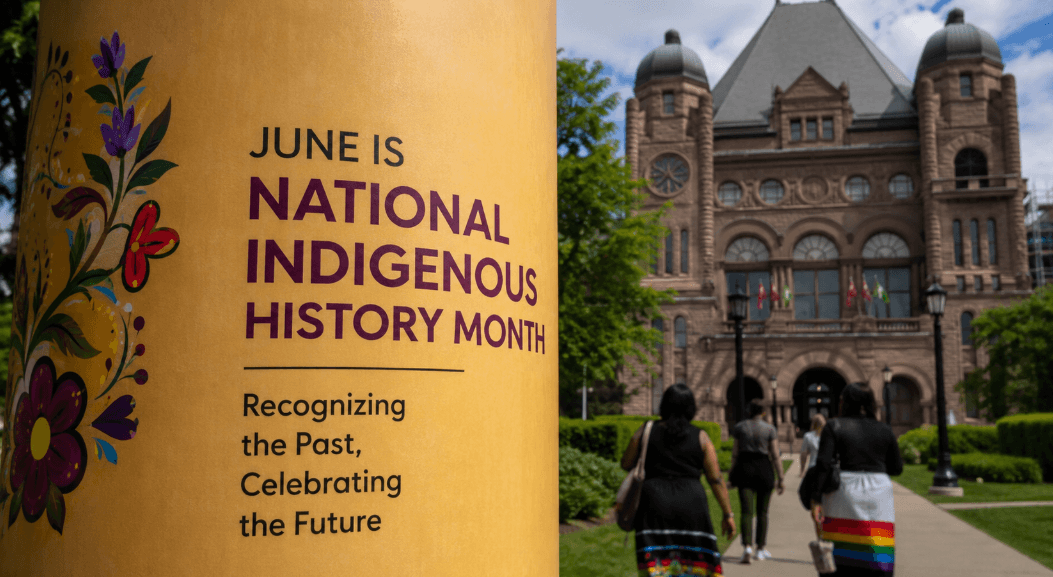
Province encourages residents to recognize Indigenous cultures, histories and contributions throughout June
TORONTO — The Ontario government has marked the beginning of National Indigenous History Month by reaffirming its commitment to reconciliation and encouraging residents to learn more about the histories, traditions and contributions of Indigenous peoples across the province.
In a statement released Sunday, Ontario’s Minister of Indigenous Affairs and First Nations Economic Reconciliation, Greg Rickford, highlighted the importance of June as a time for reflection, education and recognition of First Nations, Inuit and Métis communities.
“June marks National Indigenous History Month — a time to honour and celebrate the rich cultures, histories and contributions of First Nations, Inuit and Métis peoples across Ontario and Turtle Island. We also mark the longest day of the year, known as the Summer Solstice, taking place concurrently with National Indigenous Peoples Day on June 21,” Rickford said.
The annual observance recognizes the enduring cultural heritage and historical significance of Indigenous peoples in Canada. National Indigenous Peoples Day, celebrated each year on June 21, coincides with the Summer Solstice, a date that holds spiritual and cultural importance for many Indigenous communities.
Government Highlights Education and Awareness
Rickford said the month presents an opportunity for Ontarians to deepen their understanding of Indigenous history and the longstanding relationship Indigenous peoples have with the land.
“This month, I encourage all who call Ontario home to take the time to learn the contributions, stories and traditions of Indigenous peoples that have shaped these territories since time immemorial,” he said.
National Indigenous History Month is recognized across Canada through educational events, cultural programming, community gatherings and public discussions aimed at promoting awareness and understanding. Schools, municipalities, businesses and organizations often participate through initiatives that highlight Indigenous voices, art, history and economic contributions.
The provincial government has increasingly tied reconciliation efforts to economic partnerships with Indigenous communities, particularly in northern Ontario where major resource development projects are underway.
Economic Reconciliation Remains Provincial Focus
Rickford also serves as Minister Responsible for Ring of Fire Economic and Community Partnerships, a portfolio linked to the proposed development of critical mineral deposits in northern Ontario. The region has been identified as strategically important to Canada’s electric vehicle battery supply chain and broader economic development plans.
The Ontario government has repeatedly stated that Indigenous participation and partnership are central to long-term development in the region. Provincial officials have emphasized that economic reconciliation includes ensuring Indigenous communities benefit from infrastructure investment, resource development and employment opportunities.
“Through continued partnership with Indigenous communities, our government remains committed to advancing reconciliation in practical and lasting ways that support strong communities and shared prosperity,” Rickford said.
The province has announced several initiatives in recent years focused on Indigenous economic development, infrastructure investments and community partnerships. These efforts have included support for Indigenous-led projects, skills training programs and consultation processes related to resource and infrastructure development.
Broader National Recognition
National Indigenous History Month is observed federally and provincially as part of broader reconciliation efforts across Canada. The observance comes amid continued discussions around Indigenous rights, economic inclusion and implementation of recommendations from the Truth and Reconciliation Commission of Canada.
Organizations across the public and private sectors increasingly use the month to recognize Indigenous leadership and examine pathways toward stronger relationships with Indigenous communities.
In Ontario, Indigenous leaders and advocacy groups have continued to call for sustained commitments beyond symbolic recognition, including meaningful consultation, equitable economic participation and preservation of Indigenous languages and cultures.
Throughout June, events and educational initiatives are expected to take place across Ontario to mark the month and celebrate Indigenous heritage, culture and achievements.