

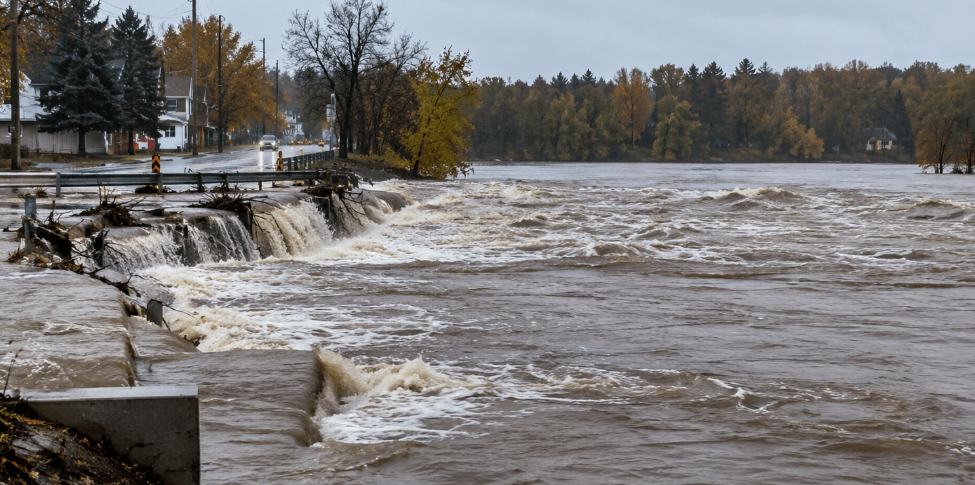
WATERLOO, Ontario — The Ontario government is investing $540,000 in a three-year research partnership with the University of Waterloo to improve flood forecasting, strengthen water management and help communities prepare for increasingly complex flooding risks.
The funding, announced by the Ministry of Natural Resources, will support advanced hydrologic modelling and research designed to inform municipal infrastructure planning, improve dam operations and provide communities with more reliable information for flood preparedness.
The initiative will involve municipalities, conservation authorities, local dam operators and university researchers working to improve water management decisions across the province.
Ontario Expands Flood Prevention Research With University of Waterloo
The new Collaborative Research Agreement builds on an established partnership between the provincial government and the University of Waterloo.
Researchers will use advanced hydrologic modelling tools to examine water movement through rivers, lakes and watersheds, supporting better flood predictions and infrastructure decisions.
“We are taking proactive steps to be better prepared, so that when flooding happens, we can reduce its impacts,” said Mike Harris, Minister of Natural Resources. “By funding collaborative research projects with academic partners like the University of Waterloo, our government is ensuring we have the best and most up-to-date information to keep people and property safe.”
The research is intended to help local authorities assess flood risks, improve emergency planning and manage water infrastructure more effectively.
Previous Research Produced Key Water Management Tools
The latest investment follows a four-year, $494,500 agreement with the University of Waterloo that produced several hydrologic research tools.
These include the Ontario Hydrologic Modelling System (OHMS), Ontario Hydrologic Atlas (OHA), Streamflow Alteration Index (SAI) and Ontario Lake and River Routing Product (OLRRP).
The province says these resources will be made publicly available to municipalities, conservation authorities, consultants and water management professionals.
“Better models and improved forecasts of floods can give communities more time to prepare and help the province manage its dams to balance competing demands on Ontario’s rivers and lakes,” said Bryan Tolson, Professor at the Department of Civil and Environment Engineering, University of Waterloo. “The project also gives our graduate students direct experience working alongside ministry scientists on real water resources applications and water management problems.”
Muskoka Communities to Benefit From Targeted Flood Modelling
A significant component of the agreement involves collaboration with the District Municipality of Muskoka, where researchers will apply advanced modelling techniques to local watershed conditions.
The work will examine water movement and flood behaviour to support municipal decision-making, emergency preparedness and flood response.
The initiative aligns with Ontario’s broader Flooding Strategy, which focuses on improving flood risk awareness, strengthening preparedness and supporting communities exposed to flooding.
Graydon Smith, MPP for Parry Sound-Muskoka, welcomed the investment.
“Flooding has presented significant challenges for communities across Parry Sound-Muskoka in recent years. I’m pleased to see our government supporting research that will help municipalities and property owners better understand and prepare for potential flood risks. I want to thank the University of Waterloo for undertaking this important work and look forward to its findings.”
Province Continues Investment in Flood Forecasting and Research
Ontario currently invests more than $5 million annually in its flood forecasting and warning network, which provides information to help municipalities prepare for potential flooding.
The province is also funding 21 active Collaborative Research Agreements, representing investments exceeding $2.8 million.
Seven additional university research agreements were announced in January 2026, supporting projects focused on wildlife, fisheries and natural resource protection.
Since 2018, the provincial government says it has invested more than $2 billion in research, supporting over 1,859 projects across sectors including life sciences, agriculture, automotive manufacturing and information technology.
Research Investment Supports Long-Term Community Resilience
Nolan Quinn, Minister of Colleges, Universities, Research Excellence and Security, emphasized the importance of academic research in protecting communities.
“Ontario’s world-class researchers are driving critical advancements that keep our communities safe and prepared, right at our own backyard. Our government’s investment will ensure that bright researchers at the University of Waterloo can develop ground-breaking discoveries that protect Ontario in the face of floods while keeping the province on the cutting-edge of innovation.”
The three-year partnership is expected to strengthen the scientific information available to local governments and water managers, supporting more informed infrastructure planning and flood response.
By expanding access to modelling tools and watershed research, Ontario aims to improve its ability to anticipate flooding, protect property and support long-term community resilience across the province.
Discover more from Wire Service Canada
Subscribe to get the latest posts sent to your email.