

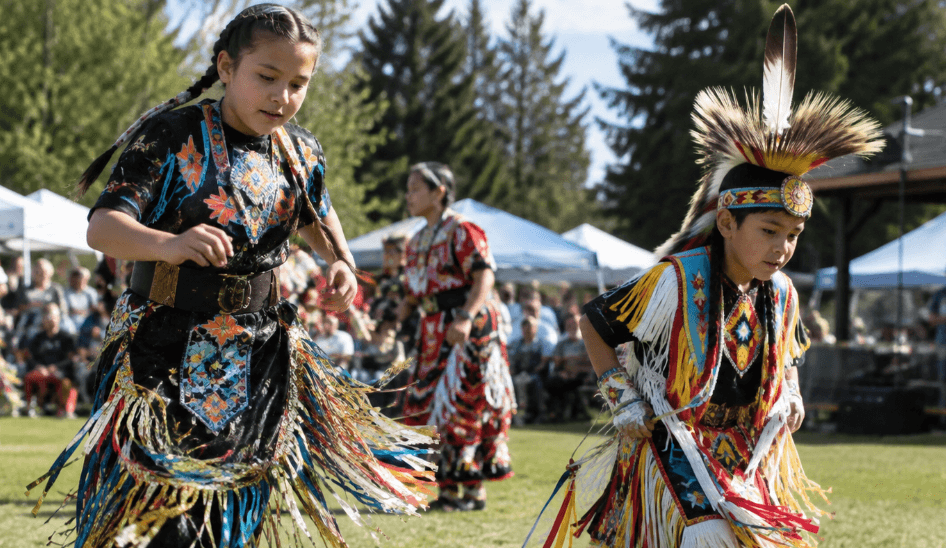
Ontario is investing $5.2 million in Indigenous-led sport, recreation and cultural programming, extending initiatives that the province says have connected nearly 180,000 participants with recreational and high-performance sport opportunities since 2018.
Announced Sept. 29, the funding will support programs serving First Nations, Inuit and Métis communities across Ontario. The initiatives include multi-sport camps, athlete and coach development, community recreation, cultural activities and leadership programming, while also supporting local employment.
“Sport and recreation should be accessible to everyone at every level, and today’s announcement is another step in the province’s plan to ensure every child in Ontario gets the opportunity to compete,” said Brian Saunderson, Minister of Sport. “These investments will support Indigenous communities with reducing barriers and creating more opportunities for children, youth and people of all ages to get involved and stay active.”
Three Indigenous-Led Programs Receive Provincial Funding
The $5.2-million investment is being distributed among three established programs.
Ontario is providing $1.3 million for the Sport Pathway for Ontario Native Wellness, delivered in partnership with Indigenous Sport & Wellness Ontario. Since 2018, the program has reached more than 36,000 participants through camps, coaching and athlete development clinics, tournaments, family wellness programs and sport equipment grants.
It has also supported opportunities for athletes to participate in the North American Indigenous Games and National Aboriginal Hockey Championships.
Another $1.45 million will go to the Community Aboriginal Recreation Activator, or CARA, Program. Funding will allow up to 27 First Nations to hire recreation “Activators” responsible for planning and delivering locally driven sport, recreation and physical activity programs.
More than 67,000 First Nations community members have participated in CARA activities since 2018-19.
The remaining $2.5 million will support Youth Cultural Camps. Ten Indigenous organizations and communities will use the funding for cultural, language and leadership programming through experiential and land-based activities. The province said the initiative has supported approximately 2,700 camps and programs and reached more than 78,000 Indigenous youth.
Programs Focus on Community Participation and Leadership
“Meaningful reconciliation is rooted in partnerships and the empowerment of Indigenous youth and communities,” said Greg Rickford, Minister of Indigenous Affairs and First Nations Economic Reconciliation. “Investments in Indigenous-led sport, recreation and cultural programs will enhance opportunities for Indigenous youth to build confidence, grow as leaders and engage in critical networks, now and well into the future.”
Ontario says it has invested more than $47 million through the three programs since 2018, supporting culturally grounded sport, recreation and land-based activities.
“The Ministry of Sport’s continued investment in Indigenous sport and recreation creates meaningful opportunities for Indigenous youth, athletes and communities across Ontario. This funding allows ISWO to strengthen pathways in sport while creating culturally grounded opportunities that build confidence, connection and a stronger sense of identity.” said Frank Horn, President of the Board of Directors, Indigenous Sport & Wellness Ontario.
Former Team Ontario athlete Luc Boucha also highlighted the role of competitive opportunities.
“Being part of Team Ontario gave me the opportunity to compete at a higher level while representing my community and Indigenous athletes from across Ontario. It helped me grow as an athlete, build confidence and feel proud of who I was representing.”
Ontario Also Funds Indigenous Sport Infrastructure
The province is separately supporting Indigenous-led infrastructure projects through its Community Sport and Recreation Infrastructure Fund.
Those investments include more than $9 million for a new multi-purpose complex in Wauzhushk Onigum Nation and $6.3 million for a new multi-season arena in Curve Lake First Nation. Kasabonika Lake First Nation is receiving $1 million to upgrade and repair its local arena.
Community representatives said recreation programming can provide benefits extending beyond physical activity.
“CARA programming has positively impacted our community by bringing people together through sports, recreation, and physical activity. It creates opportunities for youth to build confidence, develop new skills, make friendships, and feel a sense of belonging in a safe and supportive environment.” said Liz Tabobondung, CARA Activator, Wasauksing First Nation.
Sean Longboat, Chief Executive Officer of the Ontario Federation of Indigenous Friendship Centres, similarly emphasized the role of cultural programming.
“Youth Culture Camps are transformative because they help young people build confidence, strengthen their cultural identity and develop the skills they need to succeed.”
The latest funding continues Ontario’s multi-year support for Indigenous-led sport, cultural and recreation initiatives, with the province focusing on community-based programming alongside investments in facilities and local recreation infrastructure.