

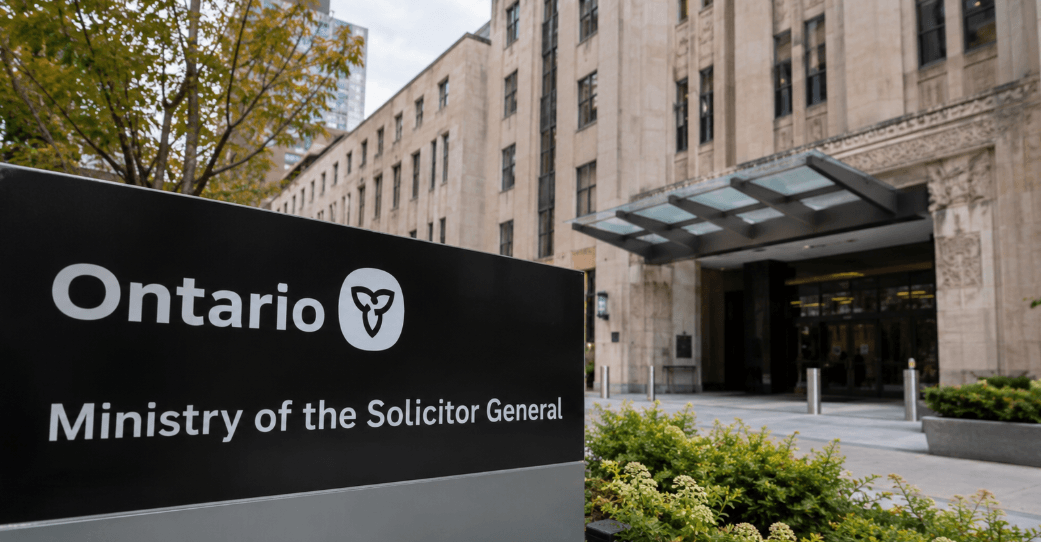
Ontario’s Ministry of the Solicitor General has announced that a coroner’s inquest into the death of Kaylee Martha Dallas Crowchild, a 29-year-old member of Tsuut’ina Nation in Alberta, will begin on November 16, 2026. The proceedings will examine the circumstances surrounding her death following an incident at the Kenora District Jail in northwestern Ontario.
Crowchild died on September 20, 2022, at the Lake of the Woods Hospital. Under Ontario’s Coroners Act, an inquest into her death is mandatory.
The announcement was made on October 14, 2026, by Dr. Kevin Miller, Regional Supervising Coroner for the North Region, Thunder Bay Office.
Ontario Coroner’s Inquest Scheduled for November 16
The inquest is scheduled to begin at 10:00 a.m. Eastern Standard Time (EST), or 9:00 a.m. Central Standard Time (CST), on Monday, November 16, 2026.
Dr. John Carlisle will preside over the proceedings, while Robert Kozak, Jenna Simpson and Makenzie Chan will serve as inquest counsel.
According to the ministry, the hearing is expected to last six days and include testimony from approximately 11 witnesses.
The proceedings will be conducted by video conference, allowing members of the public to observe the hearing remotely.
Circumstances Surrounding Crowchild’s Death
Crowchild was a member of Tsuut’ina Nation, a Dene First Nation community located in southern Alberta.
She died at the age of 29 after an incident at the Kenora District Jail on September 20, 2022. She was subsequently pronounced dead at the Lake of the Woods Hospital.
The ministry’s announcement did not provide additional details about the incident or identify a medical cause of death.
The inquest will examine the circumstances surrounding her death, including relevant evidence presented during the proceedings.
As the hearing has not yet taken place, its findings and any potential recommendations remain undetermined.
Inquest Jury May Recommend Measures to Prevent Future Deaths
Under Ontario’s Coroners Act, certain deaths require a mandatory inquest, including deaths that occur in specified custodial circumstances.
A coroner’s inquest is a public proceeding intended to establish the facts surrounding a death and consider whether measures could help prevent similar incidents.
The jury is responsible for examining evidence and determining relevant facts, including the identity of the deceased and when, where, how and by what means the death occurred.
Recommendations Focus on Public Safety and Prevention
In addition to establishing the circumstances of a death, an inquest jury may issue recommendations directed at preventing future fatalities.
Such recommendations may address policies, institutional procedures or other matters identified through the evidence.
However, a coroner’s inquest is not a criminal trial or civil proceeding. Its purpose is not to determine criminal guilt or assign civil liability.
Recommendations issued by an inquest jury are generally not legally binding, although they can inform reviews of government policies and institutional practices.
In Crowchild’s case, the jury will have the opportunity to consider preventive recommendations based on the testimony and evidence presented during the six-day hearing.
Public Access to Virtual Inquest Proceedings
Ontario officials have confirmed that the inquest will take place entirely by video conference.
Members of the public, including journalists, community representatives and other interested observers, will be able to follow the proceedings through a live online viewing platform.
The ministry has provided a dedicated webpage for public access to the hearing:
Additional information about Ontario’s coroner’s inquest process is available through the provincial government’s official website.
Next Steps in the Inquest Process
The November hearing will provide a formal opportunity to examine the events preceding Crowchild’s death and hear evidence from witnesses involved in the proceedings.
The anticipated six-day schedule and approximately 11 witnesses will form the basis of the jury’s examination, although the final duration will depend on how the proceedings unfold.
Following the presentation of evidence, the jury will be responsible for reaching its findings and deciding whether recommendations are warranted.
The inquest is scheduled to begin on November 16, 2026, nearly four years after Crowchild’s death, with its conclusions expected to contribute to the public record concerning the circumstances of the incident at the Kenora District Jail.
Discover more from Wire Service Canada
Subscribe to get the latest posts sent to your email.