

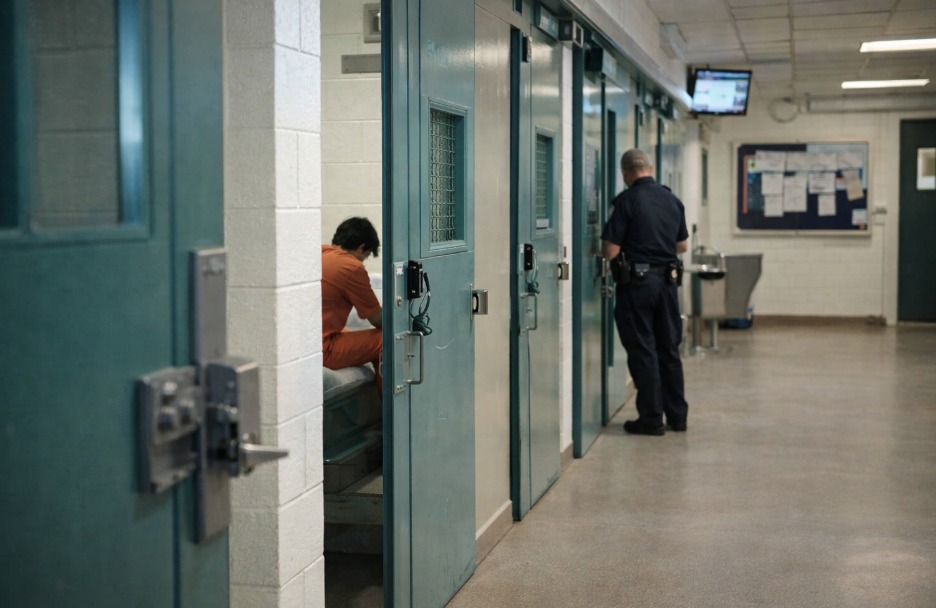
Coroner’s office to examine circumstances surrounding 2019 custodial death
The Ontario Ministry of the Solicitor General has announced that an inquest will be held into the death of Justin Fiddler, an 18-year-old who died in custody in 2019, marking a renewed step toward examining oversight and accountability within the province’s youth correctional system.
The announcement was made March 16, 2026, by Dr. Kevin Miller, Regional Supervising Coroner for the North Region in Thunder Bay. The inquest will focus on the circumstances leading to Fiddler’s death and is expected to contribute to broader discussions around custodial care standards and risk prevention in youth facilities.
Review to focus on custodial conditions and systemic factors
Jury may issue recommendations to prevent similar deaths
According to the coroner’s office, the inquest will formally review the events surrounding Fiddler’s death, which occurred on June 18, 2019, in a Thunder Bay hospital. He had sustained injuries while in custody at the Ge-Da-Gi-Binez Youth Centre in Fort Frances.
Inquests in Ontario are public proceedings designed to establish facts and identify opportunities to improve public safety. While they do not assign legal responsibility, juries are empowered to make recommendations aimed at preventing future deaths in similar circumstances.
“The inquest will examine the circumstances surrounding Mr. Fiddler’s death. The jury may make recommendations aimed at preventing further deaths.”
The process typically involves testimony from witnesses, including medical professionals, correctional staff, and subject-matter experts, as well as the presentation of evidence related to institutional procedures and care protocols.
Broader implications for Ontario’s youth justice system
Findings may inform policy, training, and facility standards
The decision to proceed with an inquest comes amid ongoing scrutiny of custodial care practices across Canada, particularly in cases involving youth and vulnerable populations. Findings from such proceedings often inform updates to operational policies, staff training, and infrastructure standards within correctional and detention facilities.
Inquests can also play a role in shaping government policy by highlighting systemic gaps or risks that may not be apparent through internal reviews alone. Recommendations issued by juries, while not legally binding, are frequently considered by provincial ministries and agencies responsible for corrections and public safety.
Timeline and next steps
Details on hearings to be released at a later date
At this stage, officials have not released specific information regarding the timing or location of the inquest proceedings. The Ministry of the Solicitor General indicated that further details, including the date and venue, will be announced in the coming months.
“Further details regarding the inquest, including the date and venue, will be provided at a later date.”
Members of the public, including media and community stakeholders, will be able to attend the inquest once scheduled, in keeping with Ontario’s commitment to transparency in death investigations.
Role of inquests in public accountability
Process aims to strengthen oversight and public confidence
Coroners’ inquests are a key mechanism within Ontario’s death investigation system, particularly in cases involving deaths in custody or other circumstances of public interest. By examining both immediate and systemic factors, inquests aim to improve institutional practices and reinforce public confidence in oversight mechanisms.
Information about the inquest process and its objectives is available through provincial resources, which outline how findings and recommendations are developed and communicated.
As preparations move forward, the inquest into Justin Fiddler’s death is expected to draw attention from legal, policy, and advocacy communities, with potential implications for how youth custodial care is managed across Ontario.