

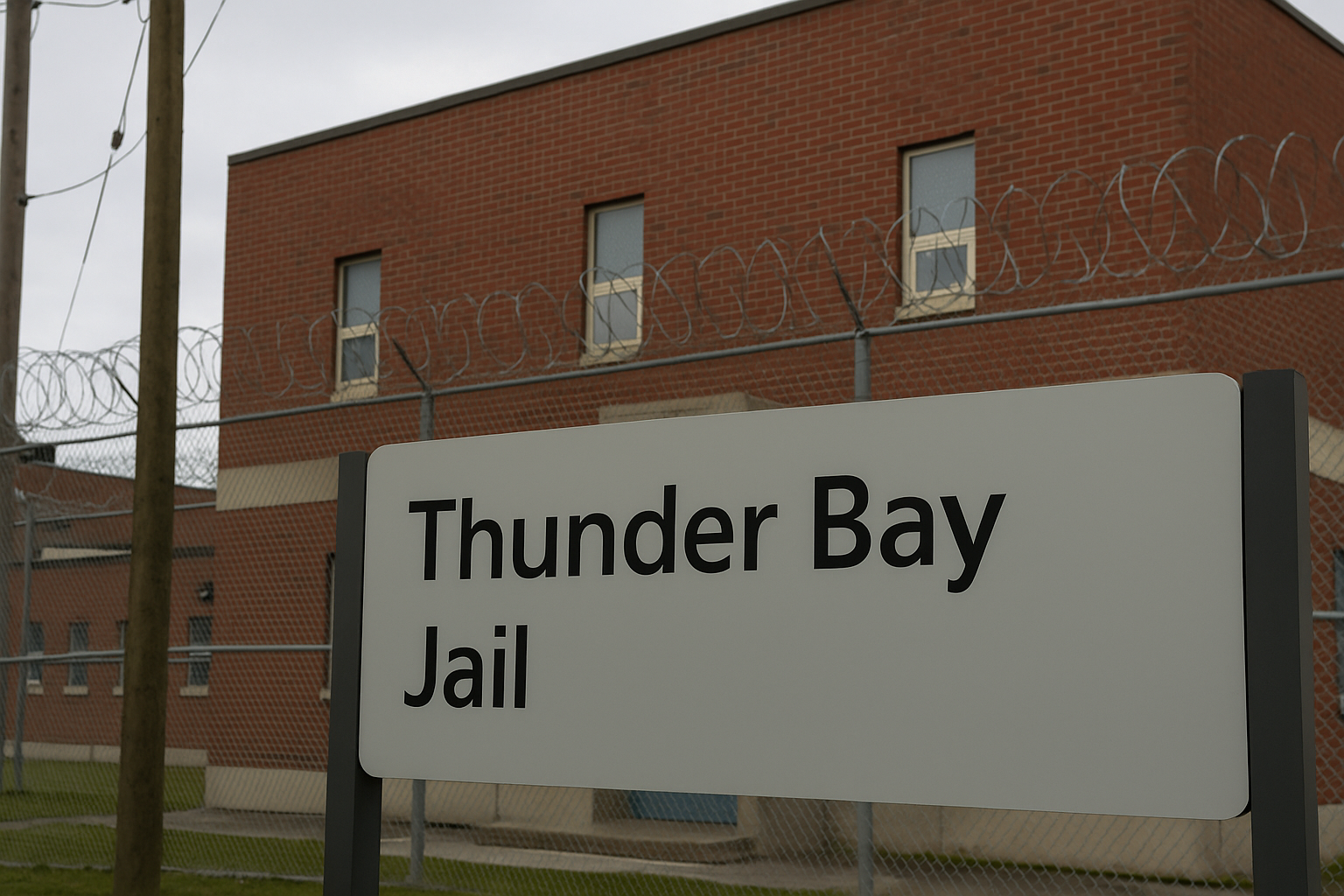
TORONTO — Ontario’s Office of the Chief Coroner has announced that a public inquest will be held into the death of 27-year-old Kevin Mamakwa, who died while in custody at the Thunder Bay Jail in 2020.
The announcement was made Friday by Dr. Kevin Miller, Regional Supervising Coroner for the North Region, Thunder Bay Office.
“Dr. Kevin Miller, Regional Supervising Coroner, North Region, Thunder Bay Office, has announced that an inquest will be held into the death of Kevin Mamakwa,” the Ministry of the Solicitor General said in its statement.
Background of the Case
Mr. Mamakwa died on June 2, 2020, while incarcerated at the Thunder Bay Jail. He was a member of Kingfisher Lake First Nation, a remote community located in northwestern Ontario.
The Ministry confirmed that an inquest is mandatory under Ontario’s Coroners Act whenever an individual dies while in custody. The process is designed to provide a transparent public review of the circumstances surrounding such deaths, ensuring accountability and identifying potential systemic issues.
Scope of the Inquest
According to the announcement, the inquest “will examine the circumstances surrounding Mr. Mamakwa’s death. The jury may make recommendations aimed at preventing further deaths.”
While inquests do not assign blame or legal responsibility, they carry significant weight. The findings often influence institutional policies, shape government responses, and provide recommendations designed to reduce risks in correctional and healthcare systems.
Further details, including the date and location of the proceedings, are expected to be confirmed at a later date.
Broader Context
The Thunder Bay Jail has been the subject of public scrutiny for years, with repeated calls from Indigenous leaders, advocacy organizations, and legal experts for improved conditions, oversight, and culturally appropriate support for inmates.
Mamakwa’s death occurred at a time when systemic challenges facing Indigenous people in the justice system were increasingly under national discussion. Indigenous Canadians remain disproportionately represented in correctional facilities, a reality that government reports and Indigenous organizations have tied to broader issues of systemic discrimination, inadequate access to health services, and the intergenerational impacts of colonialism.
The inquest into Mamakwa’s death is likely to draw close attention from both community advocates and policymakers, particularly given his ties to Kingfisher Lake First Nation. Community members often stress that inquests provide an opportunity not only to review the facts but also to highlight the urgent need for reforms.
Importance of the Inquest System
Ontario’s system of coroner’s inquests serves as a mechanism for examining deaths that may raise public concern. Juries can hear testimony from witnesses, review documentary evidence, and ultimately produce recommendations. While these recommendations are not legally binding, they frequently inform policy changes in correctional services, health care, and law enforcement.
For instance, past inquests have led to reforms in suicide prevention protocols, medical care in jails, and training for correctional officers. Advocates argue that each inquest provides valuable insights into systemic issues and can help prevent similar tragedies in the future.
Next Steps
For now, the Ministry has provided limited details. “Further details regarding the inquest, including the date and venue, will be provided at a later date,” the announcement said.
Members of the public seeking more information about Ontario’s inquest process are directed to the provincial government’s official page: Coroner’s Inquests.
The upcoming inquest into the death of Kevin Mamakwa will mark another chapter in the ongoing effort to ensure greater transparency in the province’s correctional system. For Mamakwa’s family, his community, and the public at large, the proceedings will represent an opportunity to confront difficult questions and to press for solutions aimed at preventing similar tragedies.
As Ontario continues to face scrutiny over correctional practices, the outcome of this inquest may contribute to shaping future policy and addressing long-standing concerns about the treatment of Indigenous inmates in custody.
