

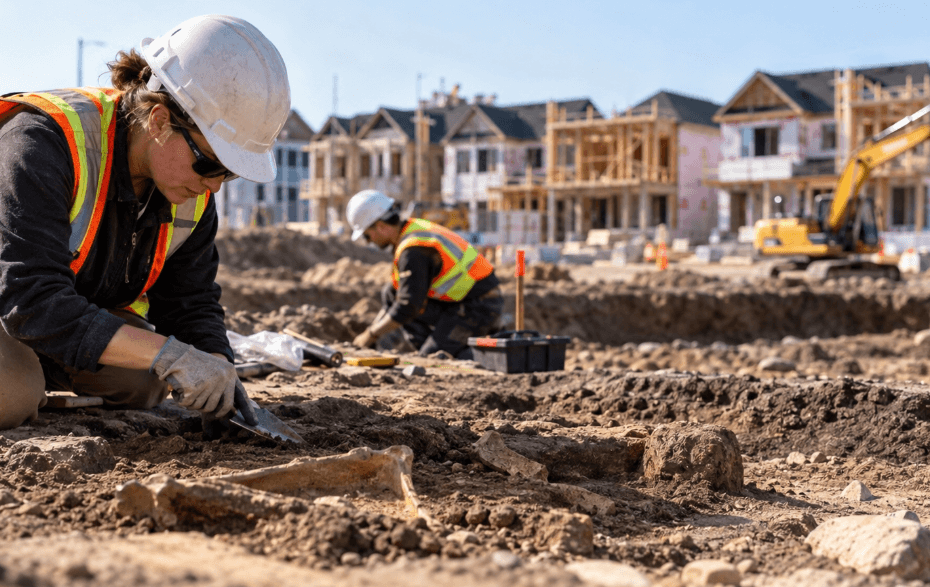
TORONTO, The Ontario government has announced proposed legislative reforms aimed at reducing archaeological approval timelines by up to 80 per cent, expanding industry capacity and accelerating residential construction and infrastructure development across the province.
The changes, introduced by the Ministry of Citizenship and Multiculturalism, are intended to simplify regulatory requirements, modernize digital permitting systems and strengthen compliance while maintaining protections for archaeological and cultural heritage resources.
Ontario Targets Faster Development Approvals and Reduced Regulatory Delays
Under the proposed reforms, Ontario expects archaeological sector capacity to increase by 45 per cent, helping developers, municipalities and infrastructure providers navigate approval requirements more efficiently.
“As part of our plan to cut red tape, we’re modernizing Ontario’s heritage framework to make processes faster, clearer and easier to navigate,” said Graham McGregor, Minister of Citizenship and Multiculturalism. “By cutting approval timelines by up to 80 per cent, we’re helping get homes and infrastructure built sooner, while continuing to protect Ontario’s archaeological heritage and strengthening our partnerships with Indigenous communities and sector partners.”
The government says the initiative forms part of its broader strategy to attract investment, improve regulatory competitiveness and accelerate construction across Ontario.
Three Key Changes to Ontario’s Archaeological Assessment System
The proposed modernization focuses on three areas designed to improve efficiency and regulatory oversight.
Streamlined archaeological assessments: Updated standards and guidelines would reduce administrative requirements for lower-risk developments, while introducing exemptions for certain small-scale residential projects.
Enhanced oversight and compliance: A risk-based enforcement framework would strengthen inspections, introduce additional compliance measures and recognize qualified archaeological professionals from other jurisdictions, improving labour mobility.
Modernized digital permitting: Ontario plans to improve archaeological mapping, data collection and access to regulatory services through its Centralized Digital Permitting Service (CDPS).
“Across the entire province we’re working to speed up approvals so they are faster and easier to navigate, giving investors, job creators and communities greater certainty to move projects forward,” said Andrea Khanjin, Minister of Red Tape Reduction. “These new changes will fortify Ontario’s industrial base and accelerate project delivery to attract new investment and make Ontario the most competitive place in the G7 to invest, do business and create jobs.”
Archaeological Assessment Backlog Reduced as Demand Increases
Ontario’s archaeological regulatory framework has not undergone a significant review in approximately 15 years, despite growing development activity.
The Ministry of Citizenship and Multiculturalism reports that archaeological assessments have increased by 30 per cent since 2020. Approximately 3,800 assessment reports were submitted for regulatory review in 2025.
The existing four-stage assessment process can take up to 64 months to complete. The province estimates that its proposed reforms could reduce average approval timelines by approximately 80 per cent.
Previous modernization efforts have already eliminated a backlog exceeding 3,000 archaeological reports. According to the government, 80 per cent of submitted reports can now be entered into the provincial report register within 10 business days.
Implementation Scheduled to Begin in Early 2027
The government intends to introduce the reforms through an upcoming legislative package, with phased implementation beginning in early 2027.
Initial measures would include expanded compliance and enforcement powers, access to digital permitting services and exemptions for qualifying residential developments.
Additional changes to professional authorization and regulatory requirements would follow consultations with Indigenous communities, municipalities and archaeological industry representatives.
Indigenous Consultation and Heritage Protection Remain Central
The province says Indigenous Relationship Tables will provide opportunities for First Nations communities to influence archaeological policies, operational procedures and digital modernization.
Anishinabek Nation Grand Council Chief Linda Debassige emphasized the importance of Indigenous participation in protecting ancestral sites and cultural artifacts.
“First Nations have inherent rights to protect and care for their Ancestors, sacred sites and sacred items, rights that governments must respect. These are not simply matters of heritage; they are fundamental to our identity, teachings and responsibilities to past and future generations. The Ontario government has the legal duty to consult with First Nations and the moral obligation to partner with First Nations in the spirit of reconciliation. Ontario’s Heritage Framework Transformation is an opportunity to turn past failures into lasting change by ensuring First Nations have meaningful roles in shaping the policies and laws to protect our Ancestors and cultural artifacts. We look forward to building a collaborative relationship that will ensure Ontario works with the Anishinabek Nation toward a future grounded in respect for our First Nations’ inherent rights.”
Construction Industry Welcomes Proposed Modernization
Municipal and construction industry representatives have expressed support for more predictable archaeological approval procedures.
The Association of Municipalities of Ontario and Ontario Home Builders Association have highlighted the potential benefits for development timelines, housing affordability and heritage protection.
The reforms remain proposals, and their eventual impact will depend on legislative approval, implementation and continued consultation.
Ontario maintains that modernizing archaeological approvals could reduce project delays and improve investment conditions while preserving significant cultural and historical resources for future generations.
Discover more from Wire Service Canada
Subscribe to get the latest posts sent to your email.