

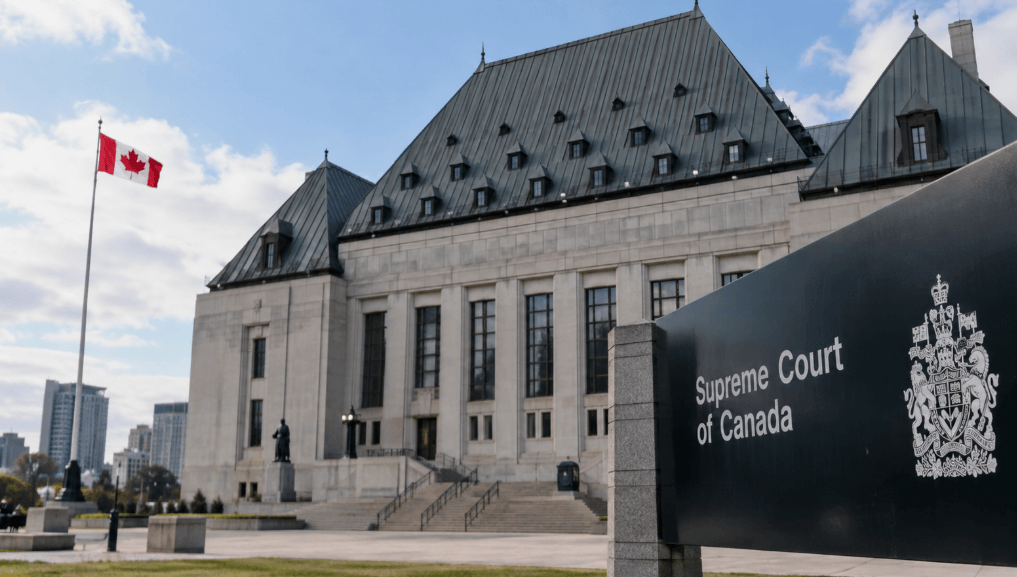
OTTAWA, October 15, 2026 — The BC Civil Liberties Association (BCCLA) is appearing before the Supreme Court of Canada to challenge the constitutional implications of Ontario legislation that restricts legal action against the provincial government, raising broader questions about democratic accountability, judicial oversight and access to justice.
The organization is intervening in Ontario Place Protectors v. Ontario and Attorney General of Ontario, a case examining whether provincial legislation can shield public officials from certain legal claims, including allegations of bad faith or misuse of public authority.
The hearing is scheduled for October 15 at 9:30 a.m. Eastern Time, with proceedings available through a live webcast from the Supreme Court of Canada.
Ontario Place Redevelopment Law Faces Constitutional Scrutiny
The dispute centres on Ontario’s Rebuilding Ontario Place Act (ROPA), introduced in 2023 to accelerate the redevelopment of Ontario Place, a prominent waterfront property in Toronto.
The legislation established measures intended to facilitate the redevelopment project while limiting certain legal challenges associated with government decisions.
Section 17 of the Act is particularly significant because it eliminates specified causes of action, prevents certain proceedings and restricts access to remedies otherwise available under Ontario’s more than 1,200 statutes and associated regulations.
The legislation preserves exceptions for judicial review proceedings and claims involving Aboriginal or Treaty rights protected under Section 35 of the Constitution Act, 1982.
The BCCLA argues that these restrictions raise constitutional concerns extending beyond the Ontario Place redevelopment project.
Civil Liberties Group Questions Immunity for Public Officials
The BCCLA’s intervention focuses on whether legislation can provide absolute immunity from civil claims involving misfeasance in public office, a legal concept generally associated with the deliberate misuse of public authority.
According to the organization, preventing courts from hearing such claims could undermine the supervisory responsibilities of Canada’s superior courts.
The association maintains that legislation shielding officials from accountability for bad-faith exercises of public power interferes with the courts’ constitutionally protected role and conflicts with the rule of law.
Its arguments emphasize the historical importance of superior courts in examining government conduct and providing legal remedies when public authorities exceed their lawful powers.
The organization is asking the Supreme Court to consider whether legislative restrictions of this nature improperly interfere with that judicial function.
Supreme Court Case Could Have Implications Beyond Ontario
Although the dispute originates from Ontario’s redevelopment legislation, the constitutional questions could have consequences for governments and courts across Canada.
Provincial legislatures regularly establish legal frameworks governing public projects, administrative decisions and the responsibilities of government officials.
However, the BCCLA’s position highlights the distinction between a government’s authority to enact legislation and the constitutional limits on restricting judicial scrutiny.
A Supreme Court ruling addressing those limits could influence how future provincial legislation is drafted, particularly where governments seek to limit liability or prevent litigation involving public decisions.
Access to Justice and the Rule of Law at Issue
The association has also identified a broader concern about governments using legislation to prevent challenges before they reach the courts.
It argues that allowing public authorities to eliminate legal remedies for alleged misconduct could weaken mechanisms intended to ensure accountability.
The case therefore raises questions about the balance between legislative authority, the independence of the judiciary and the ability of individuals or organizations to seek remedies against government action.
The Supreme Court will ultimately determine the constitutional issues before it. The BCCLA’s submissions represent the position of an intervener rather than a judicial finding that Ontario’s legislation is unconstitutional.
BCCLA Legal Team Participates in Supreme Court Proceedings
The BCCLA is represented by Brodie Noga, Emma Wall and Nathan Surkan of JFK Law LLP.
As an intervener, the organization is presenting legal arguments concerning constitutional principles and the institutional responsibilities of superior courts.
The proceedings are taking place in Ottawa, on unceded Anishinabe Algonquin Territory.
The hearing provides an opportunity for the Supreme Court to examine the constitutional boundaries of legislation that limits legal remedies against public authorities.
For governments, legal professionals and organizations concerned with public accountability, the case could help clarify the extent to which legislatures may restrict access to the courts while remaining consistent with Canada’s constitutional framework.
Discover more from Wire Service Canada
Subscribe to get the latest posts sent to your email.