

Critics say agency dismissed scientific evidence as it authorized several new agricultural chemicals
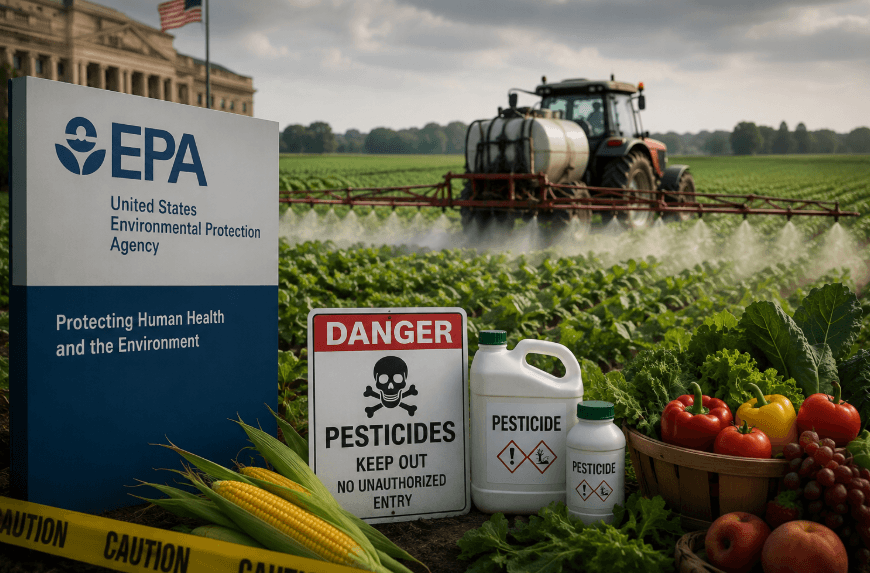
WASHINGTON, D.C. — The U.S. Environmental Protection Agency (EPA) has approved several new pesticides and expanded uses for another chemical despite concerns raised by scientists and environmental advocacy groups about potential risks to human health and ecosystems.
The approvals, announced this week, cover the fungicide fluoxapiprolin, herbicide epyrifenacil, herbicide trifludimoxazin and expanded agricultural uses for chlormequat chloride. Critics argue that the agency moved forward despite evidence suggesting links to cancer, reproductive harm and environmental damage.
The decisions have drawn strong criticism from the Center for Food Safety (CFS), which says the EPA failed to properly consider scientific findings and departed from established regulatory standards.
“With yesterday’s pesticide approvals, the Trump Administration’s EPA is once again showing its disdain for Americans’ health and the natural world,” said Bill Freese, science director at Center for Food Safety. “The EPA’s pesticide division is seemingly no longer able to recognize evidence that a pesticide causes cancer, even when it’s the pesticide company’s own studies that show it,” he added. “And as per usual, EPA dismisses out of hand incriminating independent studies by scientists not affiliated with the pesticide industry.”
Cancer concerns raised over newly approved products
Among the newly approved products are fluoxapiprolin and epyrifenacil, two pesticides intended for widespread agricultural use.
Fluoxapiprolin is a systemic fungicide approved for application on a variety of fruit and vegetable crops up to three times annually. Epyrifenacil is a burndown herbicide designed for use on major field crops including wheat, corn, soybeans and canola.
According to studies cited by opponents of the approvals, both chemicals produced tumours in laboratory animals. Fluoxapiprolin was associated with uterine cancer and thymus gland tumours in female rats, while epyrifenacil was linked to liver tumours in male mice.
Despite those findings, the EPA classified both pesticides as “not likely to be carcinogenic to humans,” a conclusion that has become a central point of contention among environmental groups.
“The EPA’s illegitimate rejection of the evidence that these two pesticides cause cancer is very similar to the tricks it pulled in denying glyphosate could cause cancer. These blatant violations of the agency’s own Cancer Guidelines are unacceptable,” said Sylvia Wu, Co-Executive Director at Center for Food Safety.
Critics also note that because the chemicals are relatively new, there is limited information available regarding long-term human exposure, including potential impacts on farmers, farmworkers and consumers.
Glyphosate ruling remains a key reference point
The debate over the new approvals echoes previous disputes involving glyphosate, one of the world’s most widely used herbicides.
In 2022, a U.S. federal court vacated the EPA’s human health assessment for glyphosate after determining that the agency’s cancer review failed to adequately follow its own scientific guidelines. The case was brought by the Center for Food Safety and allied organizations.
Environmental advocates argue that the current approvals reflect similar regulatory shortcomings, particularly regarding the agency’s interpretation of cancer-related evidence.
Environmental concerns surround trifludimoxazin
The EPA also approved trifludimoxazin for use on crops including apples, almonds, oranges, oats and wheat.
The herbicide has previously faced legal challenges from environmental organizations. Earlier EPA analyses identified “suggestive evidence” of carcinogenicity and concluded that the chemical could pose significant risks to threatened and endangered aquatic species.
According to previous agency assessments, trifludimoxazin could negatively affect fish populations including Chinook salmon, steelhead trout, Atlantic sturgeon and smalltooth sawfish.
In 2021, the Center for Food Safety and partner organizations sued the EPA over the chemical’s approval, alleging that the agency underestimated the effects of spray drift and runoff on plants, fish and protected species. BASF subsequently agreed to halt sales of the product in 2022 rather than continue the litigation.
Expanded use of chlormequat chloride sparks reproductive health concerns
The EPA also approved broader agricultural uses for chlormequat chloride, a plant growth regulator that has historically been used primarily on ornamental and greenhouse plants.
The new authorization allows for significantly expanded use on wheat, oats and other grain crops.
Unlike conventional pesticides that target insects, weeds or plant diseases, chlormequat chloride is applied to strengthen crop stalks and reduce lodging. However, critics point to independent animal studies suggesting that the chemical may disrupt reproductive hormones and negatively affect sperm fertility.
The EPA’s own environmental assessment identified potential risks to mammals, birds and honeybees, according to opponents of the decision.
Environmental groups are particularly concerned about the chemical’s persistence and the potential for widespread dietary exposure. Chlormequat has been frequently detected in European food products and biomonitoring studies have reported its presence in human urine samples across large populations.
The EPA also established residue limits that critics say are significantly higher than international standards, including allowances of 5 parts per million on wheat and 40 parts per million on oats.
“EPA should never have approved this endocrine-disrupting pesticide, particularly since its persistence and potential for widespread use on wheat and other widely consumed grains will mean universal exposure,” said Freese.
Debate over pesticide oversight likely to continue
The latest approvals are expected to intensify ongoing debates over pesticide regulation in the United States, particularly regarding how federal agencies evaluate cancer risks, environmental impacts and long-term public health effects.
While the EPA maintains that the approved products meet federal safety standards, environmental advocates say the decisions raise broader questions about the agency’s approach to scientific evidence and its role in protecting public health and the environment.
Discover more from Wire Service Canada
Subscribe to get the latest posts sent to your email.