

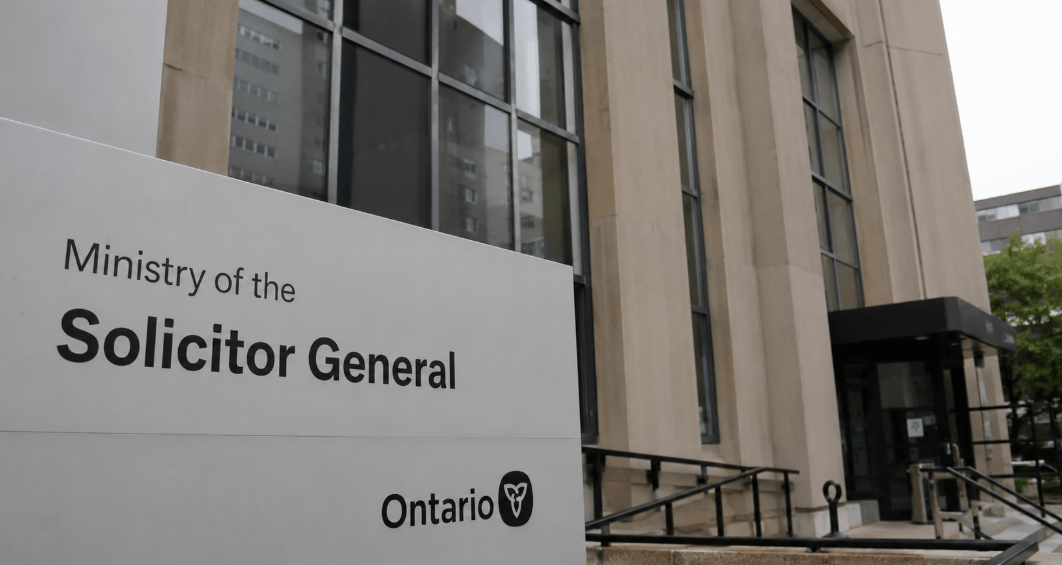
Mandatory Coroner’s Inquest to Examine Circumstances Surrounding 2023 Custodial Death
The Ontario Ministry of the Solicitor General has announced that a coroner’s inquest will be held into the death of Anthony Chatzimanolakis, a 30-year-old man who died while in custody at the Toronto South Detention Centre in March 2023.
The announcement was made by Dr. Richard Wells, Regional Supervising Coroner for the Toronto West Region, in accordance with requirements under Ontario’s Coroners Act.
Mandatory Review of Custodial Death
According to the Ministry of the Solicitor General, Mr. Chatzimanolakis died on March 25, 2023, while being held at the Toronto South Detention Centre. Under Ontario law, deaths that occur in custody are subject to mandatory inquests, a process designed to publicly examine the circumstances surrounding such deaths.
The upcoming inquest will seek to establish the facts surrounding the incident and provide a public review of the events leading up to Mr. Chatzimanolakis’ death.
In the official announcement, Dr. Wells stated that “an inquest will be held into the death of Anthony Chatzimanolakis.”
The ministry noted that the inquest is required under the Coroners Act, which mandates independent investigations into specific categories of deaths, including those occurring while individuals are in provincial custody.
Purpose of the Inquest
The inquest will focus on examining the circumstances surrounding Mr. Chatzimanolakis’ death. Unlike criminal or civil court proceedings, a coroner’s inquest does not determine legal responsibility or assign blame. Instead, its purpose is to review evidence, hear testimony from witnesses and experts, and identify factors that may have contributed to the death.
At the conclusion of the proceedings, a jury may issue recommendations aimed at improving policies, procedures, training, or oversight measures to help prevent similar deaths in the future.
The ministry stated that “The inquest will examine the circumstances surrounding Mr. Chatzimanolakis’ death. The jury may make recommendations aimed at preventing further deaths.”
Recommendations issued by coroner’s inquest juries are not legally binding. However, they are often reviewed by government agencies, correctional institutions, healthcare providers, and other organizations involved in the matters under examination.
Details to Be Announced Later
While the inquest has now been formally announced, officials have not yet released information regarding when or where the proceedings will take place.
The ministry said that “Further details regarding the inquest, including the date and venue, will be provided at a later date.”
Once scheduled, the inquest is expected to be conducted in a public forum where evidence and witness testimony can be presented and reviewed by the jury.
Coroner’s inquests in Ontario play an important role in promoting transparency and public accountability, particularly in cases involving deaths in custody, institutional care, or other circumstances where public interest considerations are significant.
Ontario’s Inquest Process
Inquests are overseen by the Office of the Chief Coroner and are intended to establish who died, as well as when, where, how, and by what means the death occurred. The proceedings can involve testimony from correctional staff, healthcare professionals, investigators, and other individuals with relevant knowledge of the circumstances.
The findings and recommendations generated through the process may contribute to policy discussions and operational improvements across Ontario’s correctional and public safety systems.
Additional information regarding the inquest into the death of Anthony Chatzimanolakis, including scheduling details and venue information, will be released by provincial officials as it becomes available.
Discover more from Wire Service Canada
Subscribe to get the latest posts sent to your email.