

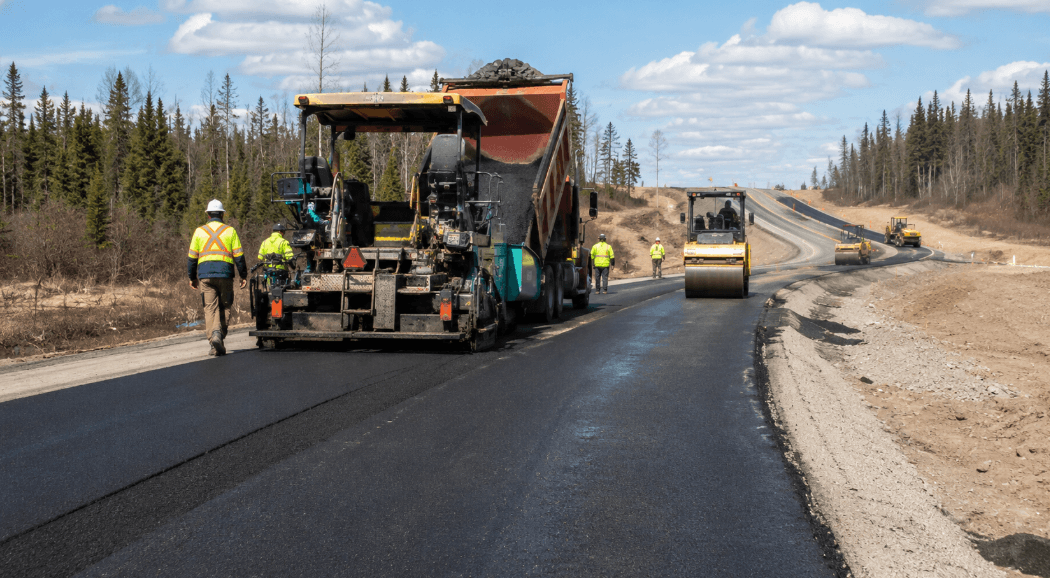
Province Launches Highway and Bridge Rehabilitation Project Along Key Northern Trade Corridor
The Ontario government has begun major rehabilitation work on a section of Highway 17 near Echo Bay as part of a broader effort to improve road safety, strengthen supply chains and support economic growth across northern Ontario.
The project includes resurfacing nearly 17 kilometres of Highway 17 between Echo Bay and Highway 548, along with repairs and replacements for several bridges and culverts along the corridor. Provincial officials say the upgrades will help maintain a critical stretch of the Trans-Canada Highway that supports the movement of people, goods and commercial traffic across the region.
Construction crews are currently resurfacing a 16.8-kilometre portion of Highway 17 extending south of Echo Bay to Highway 548. The infrastructure work also includes rehabilitation of the eastbound Bar River Bridge and replacement of the westbound Bar River Bridge.
Additional contracts will see the replacement of the Stobie Creek Bridge, rehabilitation of the Walker Creek Culvert on Highway 17, and replacement of the Richardson Creek Bridge on Highway 548.
Province Links Infrastructure Investment to Trade and Economic Growth
Ontario officials say the project forms part of the province’s larger transportation infrastructure strategy aimed at improving connectivity and strengthening domestic trade routes.
“Under the leadership of Premier Ford, our government is investing in highways in the north to improve road safety, connect communities and unlock economic opportunities,” said Prabmeet Sarkaria, Minister of Transportation.
“As we continue to dismantle interprovincial trade barriers that cost Canada’s economy $200 billion annually, these upgrades to Highway 17 will help strengthen a critical trade corridor and keep people and goods moving across northern Ontario.”
Highway 17 serves as a major segment of the Trans-Canada Highway corridor and is one of the most important transportation routes in northern Ontario. According to the province, the highway supports the movement of more than $18.6 billion in goods annually.
Ontario is also continuing long-term twinning work along the Trans-Canada corridor. The province completed the first phase of twinning Highway 17 from Kenora to the Manitoba border in October 2024, while a second phase between Highway 673 and Rush Bay Road remains in preliminary design.
Northern Ontario Infrastructure Spending Continues to Expand
The Echo Bay project is part of Ontario’s broader infrastructure investment strategy, which includes more than $31 billion earmarked for highway, road and bridge construction and rehabilitation across the province.
The government says more than $600 million will be invested this year alone toward transportation infrastructure expansion and repairs in northern Ontario.
George Pirie, Minister of Northern Economic Development and Growth, said Highway 17 remains essential for northern communities and industrial activity throughout the province.
“Highway 17 is more than a roadway, it is a vital economic corridor that connects northern communities, moves goods to market and supports jobs across the region,” said Pirie.
“By strengthening this key section of the Trans-Canada Highway, our government is continuing to improve highway safety for the families, workers and commercial drivers who rely on this route every day, while helping secure domestic supply chains and reinforcing Canadian sovereignty at a time when it has never been more important.”
Regional Leaders Welcome Highway Improvements
Municipal and business leaders across northern Ontario welcomed the infrastructure investment, highlighting the importance of Highway 17 to regional commerce, tourism and transportation reliability.
Bill Rosenberg, Member of Provincial Parliament for Algoma–Manitoulin, described the highway as a key connection point between northern and southern Ontario.
“Upgrading our roads and bridges along Highway 17 is a critical investment for Algoma–Manitoulin and Ontario as a whole,” said Rosenberg.
“An important link between northern and southern Ontario, Highway 17 supports the safe and efficient movement of people, businesses, tourists and goods. Maintaining and enhancing this vital highway strengthens regional connectivity, supports economic growth, and helps ensure long-term prosperity.”
Industry and Municipal Organizations Support Project
Industry groups and regional associations also said the improvements will strengthen economic competitiveness and improve long-term infrastructure reliability.
“Highway 17 is a vital transportation and trade corridor that connects Northern Ontario communities and supports the movement of people, goods, and services across Canada,” said Rick Dumas, President of the Northwestern Ontario Municipal Association.
“Reliable transportation infrastructure is essential to the success of Northern Ontario and to the economies of the communities that the infrastructure connects,” added La-Na Fragomeni, President of the Sault Ste. Marie Chamber of Commerce.
Steven Crombie, Senior Director of Public Affairs for the Ontario Road Builders’ Association, said projects like the Highway 17 rehabilitation create jobs while supporting safer transportation networks.
“Projects like this not only enhance connectivity for northern communities but also create good-paying construction jobs and help build a more competitive economy,” said Crombie.
Provincial officials say the upgrades are expected to improve long-term roadway reliability while helping maintain one of Canada’s most important national transportation corridors.