

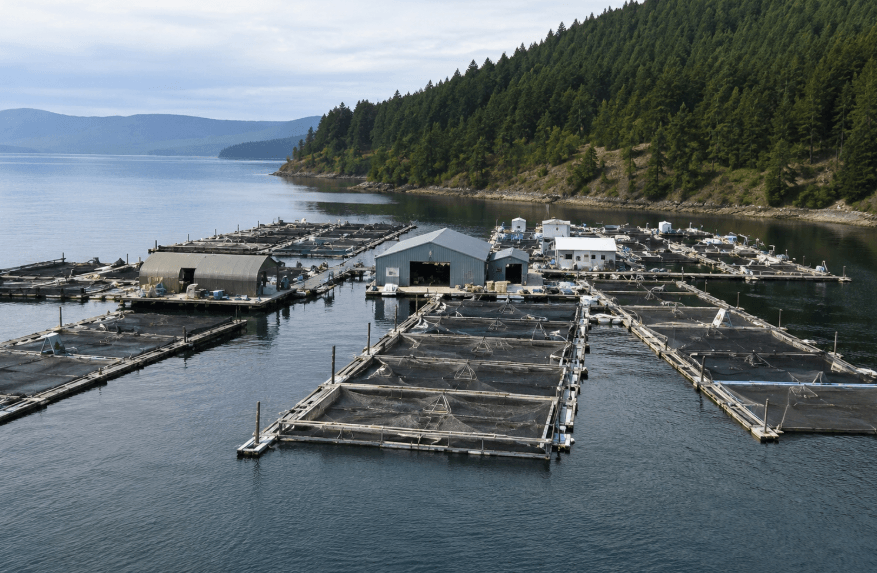
Environmental Group Claims Pacific Seafood Violated Clean Water Act at Quilcene Bay Facility
Hatchery operations allegedly discharged excess wastewater and heat into sensitive marine habitat
QUILCENE, Wash. — Environmental advocacy organization Center for Food Safety has announced plans to sue two Pacific Seafood-affiliated companies over alleged violations of the U.S. Clean Water Act tied to shellfish hatchery operations in Washington State.
The proposed legal action targets Dulcich, Incorporated and Pacific Shellfish—Quilcene, LLC, collectively referred to by the group as Pacific Seafood. According to the notice of intent filed by the organization, the companies allegedly discharged wastewater and excess heat beyond permitted limits at an industrial shellfish hatchery located on Quilcene Bay along Washington’s Hood Canal.
The bay is widely used for recreation and is considered ecologically sensitive due to the presence of threatened and endangered marine species, including Orca whales and coho salmon.
The Center for Food Safety alleges the hatchery draws more than one million gallons of water per day from Quilcene Bay to support shellfish seed production for large-scale aquaculture operations. The water is reportedly heated to stimulate algae and larvae growth before being discharged back into the bay.
According to the notice letter, the organization believes the facility repeatedly exceeded numeric effluent limitations established under its Clean Water Act permit. The group further alleges that the hatchery failed to comply with required monitoring conditions and other regulatory obligations intended to protect coastal ecosystems.
“We believe pollution from Pacific Seafood’s industrial shellfish hatchery is degrading sensitive aquatic habitat and adding to the compounding effects of industrial shellfish aquaculture in Quilcene Bay,” said Kristina Sinclair, staff attorney for CFS. “We intend to hold this operation accountable under the Clean Water Act for its permit violations and for any adverse impacts on water quality, local communities, and the aquatic species that depend on a healthy ecosystem.”
Industrial Aquaculture Under Increased Scrutiny
Environmental concerns tied to large-scale shellfish production
The legal challenge comes amid broader scrutiny of industrial shellfish aquaculture practices in the Pacific Northwest. Environmental organizations have increasingly raised concerns over the ecological footprint of intensive shellfish farming, particularly in sensitive marine habitats.
According to the Center for Food Safety, shellfish monocultures may contribute to reduced biodiversity and ecological disruption through nutrient consumption, predator attraction, disease transmission, introduction of non-native species, and biological and chemical pollution.
Washington State’s commercial shellfish sector represents a major economic industry. The advocacy group estimates that between 38,700 and 50,000 acres of tidelands — nearly one-quarter of all tidelands in the state — are used for commercial shellfish operations. Major production areas include Puget Sound, Hood Canal, Willapa Bay and Grays Harbor.
While the industry reportedly generates more than US$150 million in annual revenue, the Center for Food Safety argues that the environmental costs may include damage to salmon habitat, declining water quality, disruption to migratory bird populations and risks to endangered marine species.
Pacific Seafood and its affiliated operations are already facing additional environmental challenges from the advocacy group. The Center for Food Safety said it is currently contesting alleged Clean Water Act violations involving another Pacific Seafood aquaculture feed manufacturing facility, along with three netpen aquaculture operations located on the Columbia River.
Legal Process Requires Advance Notice
Clean Water Act mandates 60-day notice before citizen lawsuits proceed
Under U.S. environmental law, private citizens and advocacy organizations seeking to enforce Clean Water Act provisions must provide alleged violators with a 60-day notice before filing a lawsuit in federal court.
The Center for Food Safety confirmed that it is representing itself in the matter alongside legal counsel from Kampmeier & Knutsen, PLLC.
The organization described the latest action as part of a broader campaign aimed at limiting the environmental impact of industrial aquaculture expansion across Washington State.
In previous litigation, the group secured a 2019 ruling related to industrial shellfish aquaculture expansion along Washington’s coastline. The organization says its ongoing efforts are intended to protect ecological integrity, tribal sovereignty, public shoreline access and water quality.
The companies named in the notice letter have not publicly responded to the allegations outlined by the Center for Food Safety.
Discover more from Wire Service Canada
Subscribe to get the latest posts sent to your email.