

Federal judge finds Fish and Wildlife Service violated Endangered Species Act in pesticide assessment
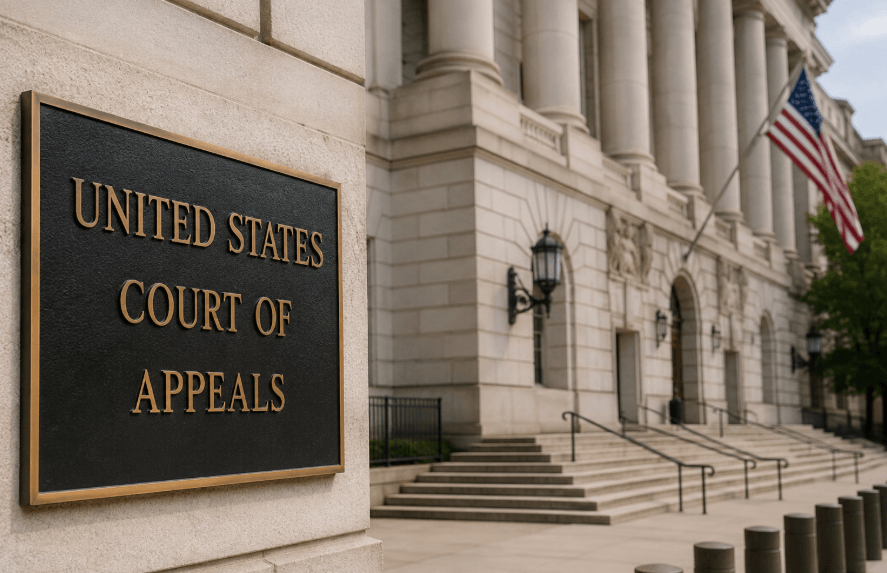
WASHINGTON — A U.S. federal court has ruled that the U.S. Fish and Wildlife Service failed to adequately protect more than 1,500 endangered species from the harmful effects of the pesticide malathion, marking a significant legal setback for federal regulators and a major victory for environmental advocacy groups.
The ruling stems from a legal challenge brought by the Center for Biological Diversity against the agency’s 2022 biological opinion on malathion, an insecticide widely used in agriculture and mosquito control. In that assessment, the Service concluded that the pesticide did not create an extinction risk for any protected plant or wildlife species.
The court rejected those findings, determining that the agency’s analysis was flawed and inconsistent with the requirements of the U.S. Endangered Species Act.
Environmental groups welcome ruling
Environmental organizations involved in the case said the decision could force regulators to adopt stronger protections for vulnerable species exposed to the pesticide.
“The court’s decision is a much-needed course correction for the Fish and Wildlife Service, which submitted to the pesticide industry’s demands and hung more than 1,500 endangered species out to dry,” said Lori Ann Burd, environmental health director at the Center for Biological Diversity. “This decision will force the Service to figure out how to actually reduce harm to animals and plants from one of the worst neurotoxic pesticides on the market. That includes nearly every endangered butterfly, beetle and dragonfly we have.”
Malathion belongs to a class of pesticides known as organophosphates, chemicals that affect the nervous system and have historically been associated with toxic health impacts. Some organophosphates have also been used in chemical warfare agents.
The court found that the Fish and Wildlife Service’s “no jeopardy” conclusions were arbitrary because the agency relied on inaccurate species range estimates and incomplete pesticide usage data. According to the ruling, regulators failed to use updated information about where endangered species currently exist and instead depended on generalized historical pesticide-use data that did not account for specific geographic impacts.
Critical habitat analysis also challenged
The court additionally criticized how the Service evaluated the impact of malathion on critical habitats essential to species recovery and long-term survival.
According to the ruling, the agency excluded many designated critical habitats from detailed review without adequately examining the environmental features that make those areas essential for conservation.
“This decision is a vital victory for thousands of endangered species at risk from toxic pesticides across the country, including many pollinators critical to our food system,” said George Kimbrell, legal director for Center for Food Safety a plaintiff and co-counsel in the case. “We are gratified the court has agreed that the Fish and Wildlife Service flouted its core duties and that imperiled species will now get the protection they deserve and that the law requires.”
The Fish and Wildlife Service had proposed specific conservation measures for only 64 endangered species, despite the assessment covering more than 1,500 protected species. Those measures included limited restrictions on pesticide spraying in sensitive habitats.
For the majority of species assessed, however, the agency did not impose targeted safeguards or meaningful limitations on malathion use.
Concerns over pollinators and human health
Advocacy groups argued that the pesticide’s impacts extend beyond endangered wildlife, affecting pollinators critical to agriculture and potentially posing broader public health risks.
“Poisons like malathion do tremendous damage to human health and welfare as well as the pollinators that are so vital to our food security,” said Margaret Reeves of Pesticide Action Network North America. “This ruling is a tremendous win for human and ecosystem health alike.”
Internal scientific findings from 2017 also became a focal point in the legal dispute. Scientists within the Fish and Wildlife Service had previously concluded that even a single exposure to malathion “could be catastrophic” for endangered species populations in some areas. They also warned that repeated applications could wipe out local populations of vulnerable species.
Earlier scientific findings reversed
The earlier scientific assessment found that malathion jeopardized the continued existence of 1,284 threatened and endangered species. Scientists additionally expressed concern about approximately 500 endangered and threatened plant species that rely on insect pollinators for reproduction.
Those conclusions were later reversed during the Trump administration under then-Secretary of the Interior David Bernhardt. Environmental groups alleged that the administration weakened the scientific review process after pressure from pesticide industry stakeholders and delayed the final biological opinion for five years.
The resulting 2022 opinion ultimately concluded that malathion posed no extinction threat to any protected species, a finding now invalidated by the court.
The ruling also highlighted concerns surrounding mosquito-control spraying programs. While the Service introduced limited timing restrictions intended to reduce exposure when insects are most active, the court noted that the rules only applied when such measures were considered “feasible.” The determination of what constituted feasible mitigation was largely left to pesticide applicators themselves.
The decision is expected to compel the Fish and Wildlife Service to revisit its assessment process and reconsider how pesticide exposure risks are evaluated for endangered species across the United States.
Discover more from Wire Service Canada
Subscribe to get the latest posts sent to your email.