

Proposed levy increase aims to close $3.49M funding gap
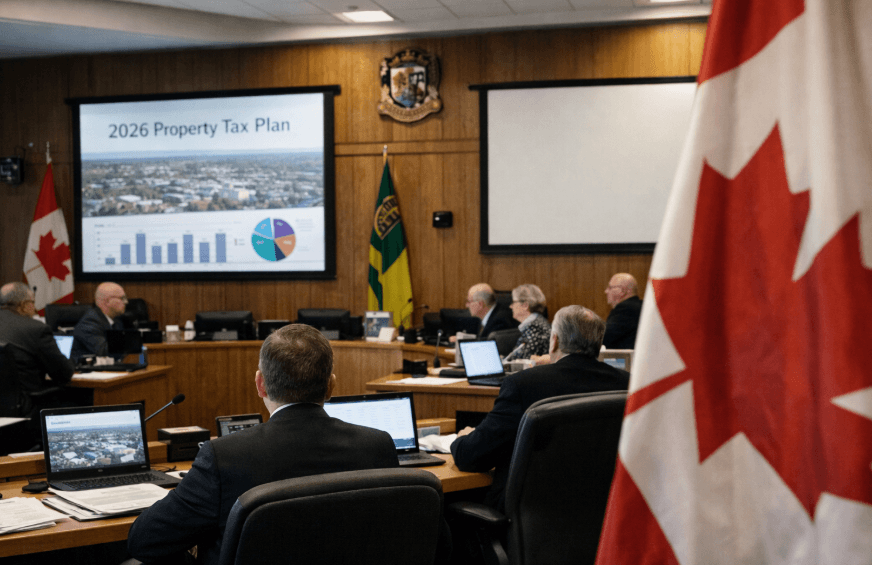
Prince Albert — City council in Prince Albert is set to review a proposed 2026 Property Tax Plan that would introduce modest tax increases as officials work to balance operating and capital budgets in the face of rising costs.
The plan, scheduled for consideration at a council meeting on Monday, April 20, 2026, outlines measures to address a funding requirement of $3,489,069. The shortfall reflects the financial pressures associated with maintaining municipal services, infrastructure investments, and reserve contributions.
At the centre of the proposal is a 2.03% increase in the general municipal levy, alongside a targeted adjustment to residential base and special taxes. For homeowners, the plan includes a net $12 increase tied to key services such as fire protection, policing, snow removal, and roadway maintenance.
Balancing service demands with affordability
Municipal officials have framed the proposal as a necessary step to sustain essential services while attempting to limit the burden on taxpayers. Like many mid-sized Canadian cities, Prince Albert continues to navigate inflationary pressures, aging infrastructure, and growing service expectations.
The proposed levy increase is relatively modest compared to recent trends in other municipalities, where rising labour, fuel, and material costs have driven sharper tax hikes. However, even incremental increases can have cumulative effects on households already managing higher living expenses.
The additional $12 residential charge is earmarked specifically for service areas that tend to experience cost volatility. Snow clearing, for example, can vary significantly year to year depending on weather conditions, while policing and fire services often face ongoing staffing and equipment expenses.
Budget alignment and reserve planning
The $3.49-million funding requirement reflects not only day-to-day operational needs but also longer-term financial planning. Municipal reserves play a critical role in stabilizing budgets and preparing for capital expenditures such as road rehabilitation, fleet replacement, and emergency infrastructure repairs.
By incorporating reserve allocations into the tax plan, the city aims to reduce reliance on debt financing and maintain financial flexibility. This approach is consistent with best practices in municipal finance, where maintaining healthy reserves is seen as key to managing risk and avoiding sudden tax spikes in future years.
Council members are expected to review how the proposed tax adjustments align with previously approved operating and capital budgets. The 2026 budget framework already outlines spending priorities, and the tax plan serves as the mechanism to fund those commitments.
Public transparency and next steps
Residents seeking more detailed information on the proposed changes are encouraged to review the full release available through the city’s official website. The document provides a comprehensive breakdown of how the tax adjustments translate into service funding and budget balance.
The April 20 council meeting will offer an opportunity for elected officials to debate the proposal and potentially introduce amendments. Public input may also play a role, depending on whether delegations or feedback are incorporated into the process.
If approved, the tax plan would set the financial course for the municipality in 2026, shaping how services are delivered and how infrastructure priorities are funded.
Broader municipal context
Across Canada, municipalities are grappling with similar fiscal challenges. Property taxes remain the primary revenue source for most cities, yet they must stretch to cover a widening range of responsibilities. Unlike provincial or federal governments, municipalities have limited tools to generate revenue, making tax policy decisions particularly consequential.
For Prince Albert, the proposed 2026 Property Tax Plan represents a balancing act—maintaining service levels and financial stability while minimizing the impact on residents.
Council’s decision later this month will determine whether the proposed increases move forward or if adjustments are required to better align with community expectations and economic conditions.