

Staffing pressures prompt temporary service adjustment in Fraser Health region
Community urged to use alternative care options during evening hours
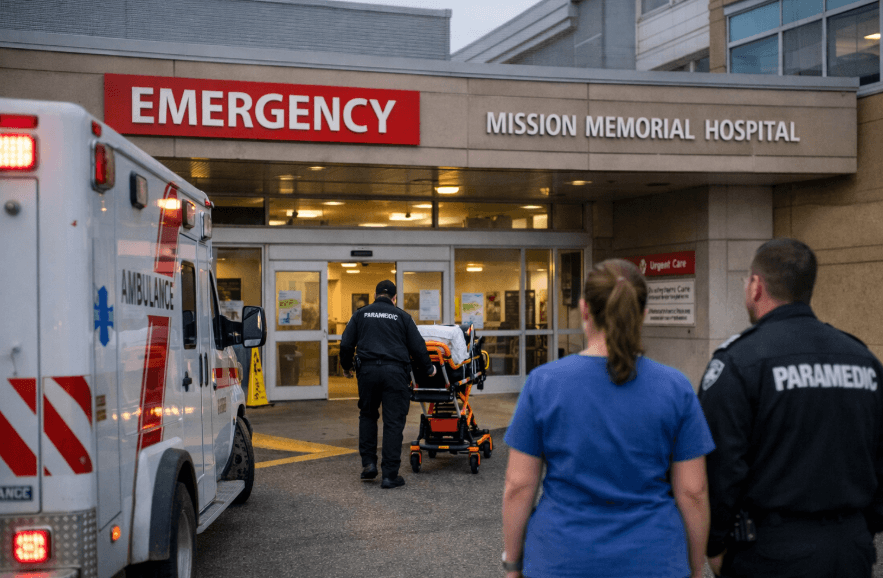
SURREY, B.C. — Fraser Health has extended temporary reduced operating hours at Mission Memorial Hospital’s Emergency Department through April 6, citing ongoing staffing constraints and the need to maintain safe and consistent patient care.
The Emergency Department will operate daily from 8:00 a.m. to 5:00 p.m. between April 1 and April 6. Health officials say the adjustment is designed to align available staffing resources with patient care demands while minimizing disruptions to essential services.
After 5:00 p.m., emergency-trained nurses will remain on-site to provide limited support. Their role will include assisting walk-in patients with basic care, redirecting individuals to appropriate services, and coordinating transfers for those requiring urgent medical attention at nearby hospitals.
“We are continuing to make every effort to prevent further service adaptations. If any future adaptations are required, we will communicate them to the community in advance,” Fraser Health said in the release.
Recruitment efforts underway to stabilize services
Health authorities emphasized that the temporary schedule change is part of a broader strategy to stabilize emergency services while recruitment efforts continue.
“We know how important access to emergency care is for the community. These temporary hours of operation help us provide safe, reliable care for the community while our recruitment efforts continue. Our focus remains ensuring patients and families receive the care they need, safely and responsibly,” the organization stated.
Fraser Health confirmed that physician recruitment remains a priority at Mission Memorial Hospital. A dedicated team is actively pursuing candidates both nationally and internationally, with several applicants already progressing through the hiring process.
Officials indicated that these recruitment efforts are expected to improve physician coverage in the coming months, potentially reducing the need for further service adjustments.
Infrastructure upgrades aim to support long-term capacity
In addition to staffing initiatives, construction is currently underway to expand and modernize the hospital’s Emergency Department. The upgrades are intended to enhance patient care capacity and improve working conditions for medical staff.
Health authorities say the infrastructure investment will also strengthen long-term recruitment and retention efforts by providing a more modern and efficient care environment.
The combined approach — recruitment and capital improvements — reflects a broader effort to address systemic pressures facing emergency departments across British Columbia and other parts of Canada.
Alternative care pathways highlighted for residents
During the temporary reduction in hours, Fraser Health is directing residents to alternative care options depending on the severity of their condition.
Emergency care remains available at all times for residents in Mission and surrounding communities. Patients experiencing a medical emergency outside of the Emergency Department’s operating hours are advised to call 9-1-1. Paramedics will assess each case and transport patients to the most appropriate facility.
For non-life-threatening issues, residents are encouraged to use Urgent and Primary Care Centres (UPCCs), which have recently expanded services in the region. Additionally, Fraser Health Virtual Care remains available by phone, allowing individuals to consult with a registered nurse from 10 a.m. to 10 p.m., seven days a week.
These measures are intended to reduce pressure on hospital emergency departments while ensuring patients continue to receive timely and appropriate care.
Regional context and health system pressures
The temporary service change at Mission Memorial Hospital reflects broader workforce challenges affecting health systems across Canada, particularly in emergency medicine. Staffing shortages, increased patient volumes, and ongoing recruitment difficulties have led several health authorities to adopt similar temporary measures in recent years.
Fraser Health, which serves a rapidly growing population in British Columbia’s Lower Mainland, operates a network of hospital and community-based services supported by more than 50,000 staff, medical professionals, and volunteers.
The organization also acknowledged its responsibility to deliver care across the traditional, ancestral, and unceded lands of the Coast Salish and Nlaka’pamux Nations, and reiterated its commitment to serving First Nations, Métis, and Inuit communities throughout the region.
While the temporary reduction in hours is expected to remain in place through April 6, health officials signalled that further updates will depend on staffing levels and recruitment progress in the coming weeks.