

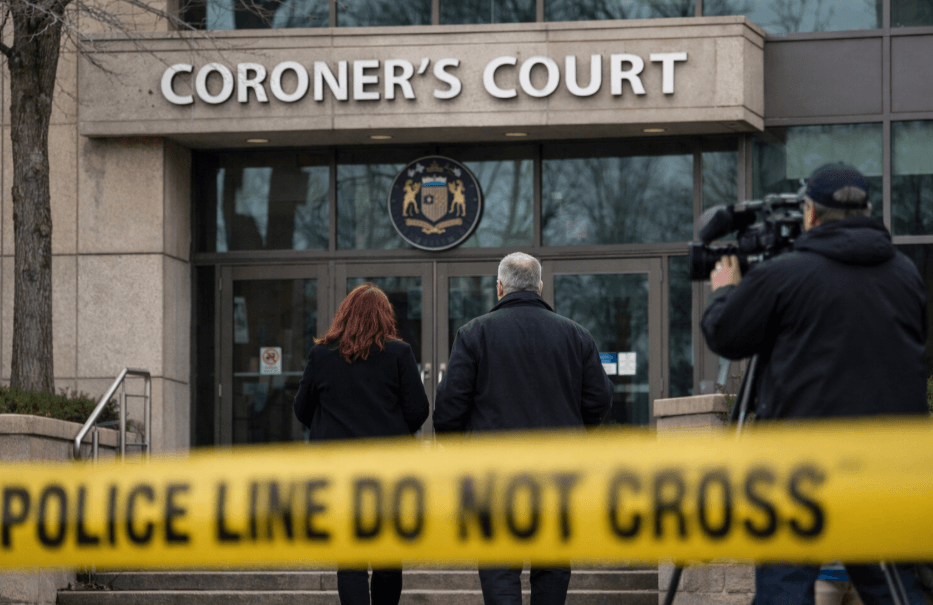
Ministry of the Solicitor General Confirms Delay on Scheduled Proceedings
Further Details to Be Released as Available
The inquest into the death of Raymond Alliman, originally scheduled to begin on March 23, 2026, has been postponed, according to an announcement from Ontario’s Ministry of the Solicitor General. The delay was ordered by the presiding officer, though no specific reason for the postponement has been publicly disclosed.
In a brief statement issued on the day the proceedings were set to commence, officials confirmed that the inquest would not proceed as planned. The ministry indicated that additional information regarding the revised schedule or circumstances surrounding the delay will be shared at a later date.
Inquests in Ontario are formal proceedings ನಡೆಸed under the province’s coroner system and are designed to examine the circumstances surrounding a death. Unlike criminal trials, they do not assign legal responsibility but instead aim to establish the facts and, where possible, make recommendations to prevent similar deaths in the future.
The postponement of the Alliman inquest introduces uncertainty into a process that often plays a key role in providing transparency and closure for families, as well as informing public policy and institutional practices. It remains unclear whether the delay will significantly affect timelines for any findings or recommendations that might arise from the case.
While details about Raymond Alliman’s death have not been included in the latest notice, such inquests are typically convened in cases involving deaths in custody, workplace incidents, or other circumstances deemed to be of public interest. The proceedings are usually presided over by a coroner and may involve a jury, depending on the nature of the case.
Stakeholders, including family members, legal representatives, and interested members of the public, will now have to await further updates from provincial authorities. The Ministry of the Solicitor General has not indicated when a new date for the inquest might be set.
In Ontario, inquests serve not only as fact-finding exercises but also as mechanisms for accountability and systemic improvement. Recommendations issued at the conclusion of an inquest can influence government agencies, law enforcement practices, healthcare systems, and workplace safety regulations. However, such recommendations are not legally binding.
The delay underscores the procedural complexities that can arise in preparing for inquests, which often involve multiple parties, extensive evidence, and coordination among legal and investigative bodies. Postponements, while not uncommon, can be driven by a variety of factors, including scheduling conflicts, the need for additional evidence, or legal considerations.
Officials have directed those seeking more information about the inquest process to consult publicly available resources provided by the province. These resources outline the purpose, structure, and potential outcomes of coroner’s inquests in Ontario.
For now, the timeline for the inquest into Raymond Alliman’s death remains uncertain. Observers and stakeholders will be watching closely for further announcements that clarify when proceedings may resume and what issues the inquest is expected to address.
Discover more from Wire Service Canada
Subscribe to get the latest posts sent to your email.