

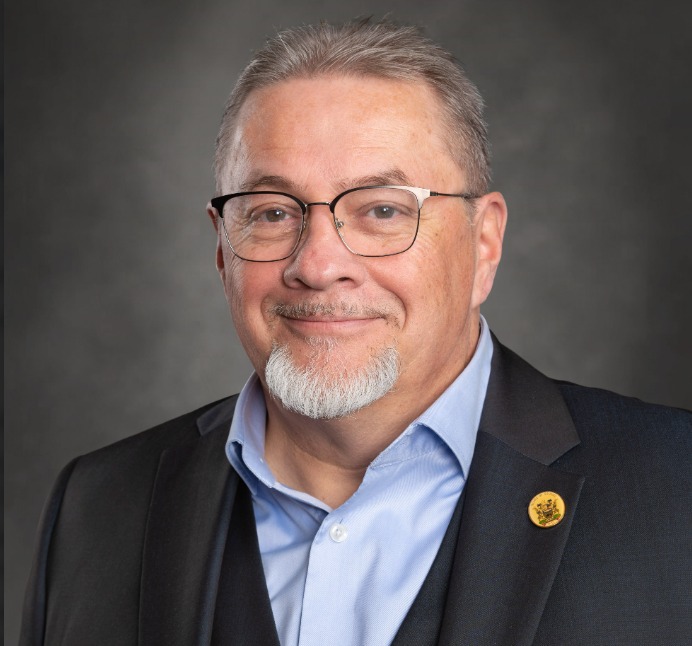
The Strathcona Regional District (SRD) has confirmed its board leadership for the coming year, reappointing Chair Mark Baker and electing Vice-Chair Mark Vonesch during its inaugural meeting on November 19. The annual selection of board leadership, mandated under provincial legislation, sets the tone for regional governance as the district continues to navigate priorities tied to community resilience, service delivery and reconciliation with First Nations.
Baker, who serves as Mayor of Sayward, will enter his fourth consecutive term as Chair. His reappointment reflects strong board support during a period marked by increasing regional collaboration and evolving service expectations across Vancouver Island’s northern and central communities.
“I’m honoured by the Board’s continued confidence,” said Chair Baker. “Over the next year, we will remain focused on strengthening community connections, delivering sustainable services, supporting reconciliation, and advancing the strategic priorities that matter most to the people of the SRD.”
Vonesch, who represents Electoral Area B – Cortes Island, was elected to the Vice-Chair position for the 2025/26 term. A filmmaker and long-time community advocate, Vonesch has been active on issues related to governance, sustainability and engagement across rural island communities.
“I’m grateful for the opportunity to serve the region in this role,” said Vice-Chair Vonesch. “I look forward to working alongside Chair Baker and the Board as we build stronger relationships, support inclusive governance, and uphold the values of transparency, collaboration, and accountability in all our decisions.”
The SRD’s current four-year strategic plan, covering 2023 to 2027, remains the guiding framework for the board as it embarks on the new term. The plan emphasizes three central priorities: fostering stronger connections within communities and the natural environment; maintaining high-quality, sustainable service delivery; and strengthening internal and external relationships throughout the region.
These strategic goals reflect the SRD’s broader vision of building a region that is connected, resilient and self-sufficient. That vision includes commitments to diversity, collaboration, reconciliation with First Nations governments, and responsible stewardship of natural resources—core considerations for a district spanning urban, rural and remote areas with varying needs and pressures.
In recent years, the SRD has taken on an expanding portfolio of responsibilities, from emergency management and community planning to transportation, recreation and environmental initiatives. Leadership continuity is expected to support the board’s ability to advance ongoing projects and maintain momentum in areas such as infrastructure planning, service modernization and climate resilience.
The district’s governance model, which blends elected and appointed representation, plays a central role in shaping these priorities. The SRD Board consists of 14 directors: four elected electoral area directors, nine municipal directors appointed by their respective councils after municipal elections, and one First Nations director appointed by the Ka:’yu:’k’t’h’/Che:k’tles7et’h’ First Nations government. This structure is designed to ensure decision-making reflects diverse regional perspectives—from larger municipalities like Campbell River to remote coastal and island communities.
The inclusion of a First Nations director underscores the SRD’s continued efforts to strengthen government-to-government relationships, a theme emphasized both in its strategic plan and by its leaders. The board has publicly committed to reconciliation and collaborative partnership-building as foundational components of its long-term direction.
Baker and Vonesch will now lead the board through the 2025/26 term, a period expected to include continued focus on regional growth management, climate adaptation, emergency preparedness, and expanded engagement with residents and partner governments. With communities across the SRD region experiencing shifting demographics, infrastructure needs and economic pressures, the board’s leadership is poised to play a key role in how the district adapts and plans for the future.
The SRD encourages residents, businesses and community organizations to engage with its board and follow ongoing initiatives. More information about the Strathcona Regional District’s Board of Directors is available at srd.ca/board-of-directors.