

Noise from deterrent measures expected near Prince Albert facility
Initiative aims to reduce aviation risks from bird activity
The Prince Albert Glass Field Airport has launched a seasonal wildlife management program designed to enhance aviation safety, with officials warning nearby residents to expect occasional loud noises as part of the effort.
The Airport Wildlife Management Plan (AWMP), now in effect, focuses on reducing the risks posed by birds and other wildlife to aircraft operations. Airport authorities say such hazards are most significant during critical phases of flight, including takeoff and landing, when collisions with wildlife can have serious consequences.
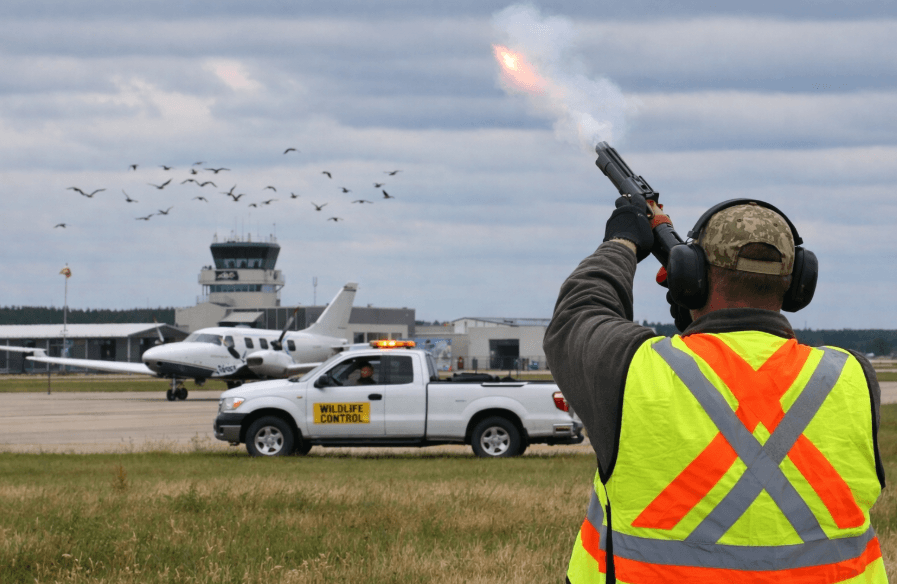
Under the program, pyrotechnic devices will be used to deter wildlife from airport grounds and surrounding areas. These deterrents—ranging from shell crackers and flares to firecrackers and rockets—produce sharp noises and flashes of light intended to scare off birds, particularly species accustomed to the sound of gunfire.
Safety-driven approach to wildlife control
Airport officials emphasize that the initiative is a proactive safety measure aligned with broader aviation standards. Wildlife strikes remain a persistent concern for airports worldwide, with birds posing one of the most common threats to aircraft.
The AWMP is designed to actively manage wildlife presence rather than respond to incidents after they occur. By discouraging animals from frequenting the airfield, the airport aims to minimize disruptions and ensure safer conditions for flight operations.
“Pyrotechnics are a key component of a well-balanced wildlife management program,” said Todd Schultz, CM, Airport Manager. “They are highly effective for quickly dispersing birds and minimizing potential hazards to aircraft.”
Community advisory on expected noise
As part of the rollout, the airport has issued a public advisory noting that residents and businesses in the vicinity may hear intermittent loud sounds while the program is active. Officials stress that these noises are controlled and intentional, forming a core part of the wildlife deterrence strategy.
The use of pyrotechnics is common practice in airport wildlife management and is considered a safe and effective method when deployed by trained personnel. The airport did not specify exact operating hours for the program but indicated that activities will align with periods of heightened wildlife activity.
Ongoing commitment to operational safety
The AWMP reflects the airport’s broader commitment to maintaining a secure environment for all stakeholders, including passengers, pilots, and ground crews. By addressing wildlife risks proactively, the airport aims to uphold safety standards while minimizing potential disruptions to flight schedules.
Airport authorities note that the program is seasonal, suggesting it will be adjusted or scaled based on wildlife patterns and operational needs throughout the year.
While the sounds associated with the initiative may draw attention from nearby communities, officials underscore that the measures are temporary and necessary to ensure safe aviation operations.
The airport has not indicated any changes to flight schedules or services as a result of the program.