

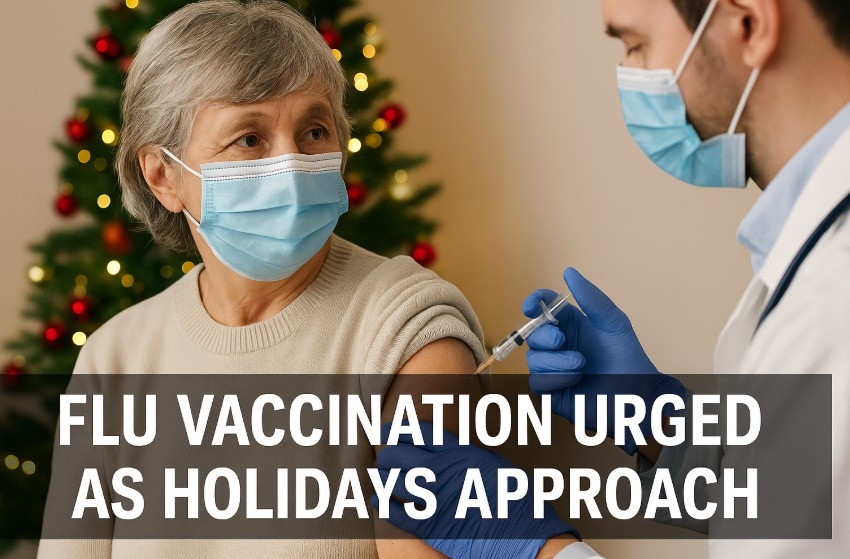
Ontario’s Chief Medical Officer of Health is urging residents to update their vaccinations and take basic preventive measures as influenza activity rises across the province in the lead-up to the busy holiday season.
In a statement released Monday, Dr. Kieran Moore said Ontario is entering the peak period for respiratory viruses, a time when colder weather and increased indoor gatherings heighten the risk of transmission. While COVID-19 and respiratory syncytial virus (RSV) remain at relatively low levels, influenza cases are climbing steadily and are expected to accelerate in the coming weeks.
“With the holiday season fast approaching, it’s important to take all necessary precautions to keep yourself and your loved ones healthy, including by ensuring your vaccines are up to date,” Moore said. “Respiratory illness season typically begins in the fall and lasts through the winter months, when colder weather and indoor gatherings make it easier for viruses to spread. This includes several common viruses such as influenza (flu), respiratory syncytial virus (RSV) and COVID-19.”
Public health officials have warned that the combination of rising influenza activity and increased travel and social gatherings could place added strain on emergency departments and primary-care providers. Ontario hospitals have faced recurring seasonal surges in respiratory illnesses in recent years, prompting calls for early vaccination among vulnerable groups.
Moore noted that laboratory surveillance shows COVID-19 and RSV activity currently remains low across the province. However, flu transmission is gaining momentum, marking the official start of the season. He emphasized that the annual flu shot continues to be the most effective defence against influenza.
“Currently, COVID-19 and RSV activity remain low in Ontario, but flu season is officially here, and cases are steadily increasing,” he said. “The flu shot remains one of the most effective ways to protect ourselves from influenza. Each year, the vaccine is designed to cover multiple strains. Getting vaccinated reduces your risk of catching the flu and, most importantly, lowers the chance of severe illness, hospitalization and serious complications.”
Flu and COVID-19 vaccines are accessible across Ontario to individuals aged six months and older. They are available through participating pharmacies, primary-care offices, and public health units. RSV immunization is also offered to eligible groups including adults aged 75 and older, infants, and pregnant women. Public health officials continue to encourage early vaccination, particularly for those with medical conditions or age-related risks that increase the likelihood of severe outcomes.
“Flu and COVID-19 shots are already available across Ontario for people 6 months and older at participating pharmacies, doctor and nurse practitioner offices or public health units,” Moore said. “RSV immunization is also available for eligible groups, including adults aged 75 and older, infants and pregnant women. Those at higher risk of severe illness are especially encouraged to get vaccinated early.”
With forecasts suggesting influenza activity could peak as early as mid-December in some regions, Moore stressed the importance of timely action. Because the vaccine requires about two weeks to reach maximum effectiveness, he said residents should get their shots now to ensure adequate protection at the height of virus circulation.
“Influenza activity is expected to peak as early as mid-December in some regions. As the vaccine takes about two weeks to reach full effectiveness, getting vaccinated now will help ensure you are protected when virus circulation is at its highest, while also reducing the spread of illness and protecting those most at risk,” he said. “If you or a loved one are at higher risk for severe illness, you should talk to your health-care provider now to plan for testing and treatment.”
Moore also reiterated that simple hygiene practices remain important in reducing the spread of respiratory infections, especially in shared or crowded indoor settings.
“As the holidays approach, let’s all remember the simple steps that make a big difference: wash your hands, cover coughs and sneezes, clean shared surfaces regularly, and stay home if you are sick.”
The Ministry of Health continues to promote vaccination as a key component of Ontario’s winter respiratory-virus strategy, alongside public-health guidance, clinical treatment pathways, and laboratory surveillance. While the province has avoided major early-season surges, officials say proactive steps now could help blunt peak-season pressures on the health-care system.
