

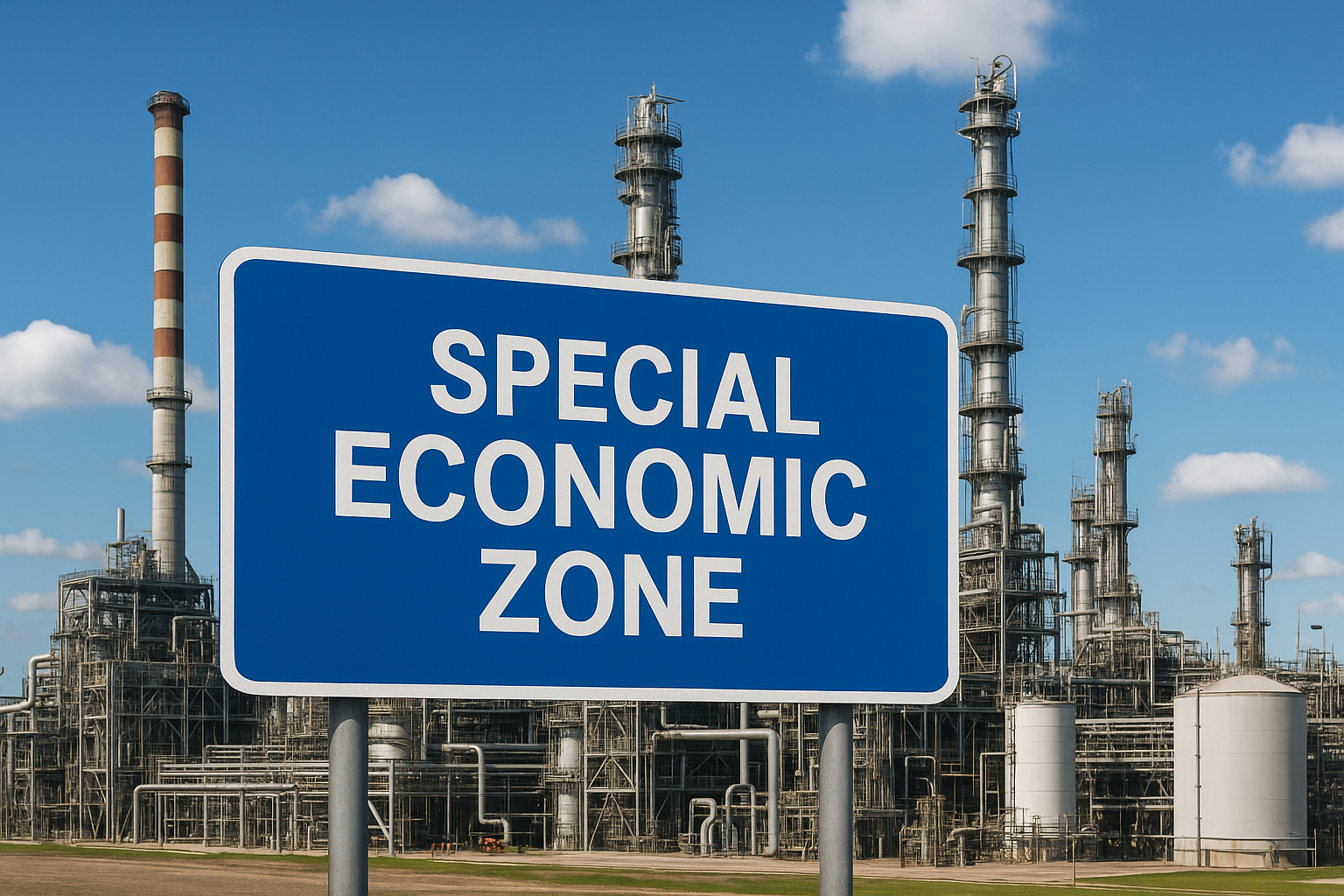
TORONTO — October 2, 2025 — Ontario has released draft criteria for the creation of Special Economic Zones (SEZs), a move the government says will streamline approvals for major projects, bolster competitiveness, and strengthen the province’s economic resilience.
The draft regulation, posted today by the Ministry of Economic Development, Job Creation and Trade, sets the framework for how zones will be designated and is being circulated for consultations with Indigenous communities and other stakeholders. Officials say the plan will evolve based on the feedback received in coming months.
“In the face of global economic uncertainty, our government has a mandate from the people to build the most competitive economy in the G7,” said Vic Fedeli, Minister of Economic Development, Job Creation and Trade. “Special Economic Zones are a critical tool to expedite approvals and move projects of strategic importance forward faster, boosting our economic resilience and delivering lasting prosperity for Ontario workers and businesses.”
Fast-Tracking Strategic Investments
Special Economic Zones were first introduced under the Protect Ontario by Unleashing Our Economy Act, passed in response to U.S. tariffs. The accompanying Special Economic Zones Act is intended to speed up approvals for investments and projects deemed strategically important to Ontario’s economic security.
Government officials say the SEZ framework will give investors a stable, predictable environment while maintaining safeguards, including environmental standards and mandatory consultation with Indigenous communities. By design, the zones are expected to reduce bureaucratic delays, giving Ontario an edge in competing for global capital.
The province argues that accelerating approvals could mitigate risks from trade disruptions, protect key industries, and advance priority projects in sectors such as critical minerals, advanced manufacturing, and clean technology.
Heritage Act Exemptions Under Review
The rollout of SEZs is also tied to proposed changes under the Ontario Heritage Act (OHA), which would allow archaeology exemptions for economically significant projects. The government says these exemptions would still protect key sites while providing investors with clarity.
“We look forward to continuing consultations with Indigenous communities and organizations on proposed changes to the Ontario Heritage Act (OHA),” said Graham McGregor, Minister of Citizenship and Multiculturalism. “Feedback on the OHA archaeology exemption criteria will help protect important archaeological sites while providing the clarity needed to attract investment, protect good-paying jobs, and strengthen Ontario’s economy by making Ontario the fastest permitting jurisdiction in North America.”
Indigenous Engagement Front and Centre
Ontario has placed consultations with Indigenous communities at the centre of its SEZ development strategy. More than 130 communities have already been engaged in discussions, which include five regional sessions held in Toronto, Thunder Bay, Sudbury and London, along with one-on-one meetings requested by specific communities.
Cabinet ministers and parliamentary assistants have travelled to northern Ontario to meet directly with First Nations leaders, with discussions focused on community needs, economic reconciliation, and the implications of the new regulations.
“Our government continues to facilitate hearty political participation and engagement with Indigenous communities across the province, with increasingly positive feedback, as we build out the regulations for Special Economic Zones,” said Greg Rickford, Minister of Indigenous Affairs and First Nations Economic Reconciliation and Minister Responsible for Ring of Fire Economic and Community Partnerships. “We are steadfast in our commitment to the duty to consult on the implementation of future use of Special Economic Zones, and in working in partnerships with communities and leadership to ensure that new projects support First Nations-led economic development and prosperity.”
The province has also linked the SEZ initiative to broader investments in reconciliation, including $3.1 billion in loans, grants, and scholarships designed to support Indigenous participation, partnership, and ownership in Ontario’s critical mineral supply chain.
Next Steps
The proposed regulation has been formally posted to the Environmental Registry of Ontario for public comment. Government officials say consultations will continue as feedback from Indigenous communities, municipalities, industry, and other stakeholders is incorporated.
The Ministry of Indigenous Affairs and First Nations Economic Reconciliation has pledged to continue supporting engagement efforts through programs such as the New Relationship Fund.
Balancing Speed with Oversight
While the province has stressed that SEZs will cut red tape, it also insists regulatory oversight will not be compromised. Officials emphasize that projects will still be subject to Ontario’s environmental protections and the duty to consult.
The government has framed the initiative as part of a broader strategy to make Ontario the “fastest permitting jurisdiction in North America,” positioning the province as a magnet for investment while safeguarding long-term economic and social interests.
