

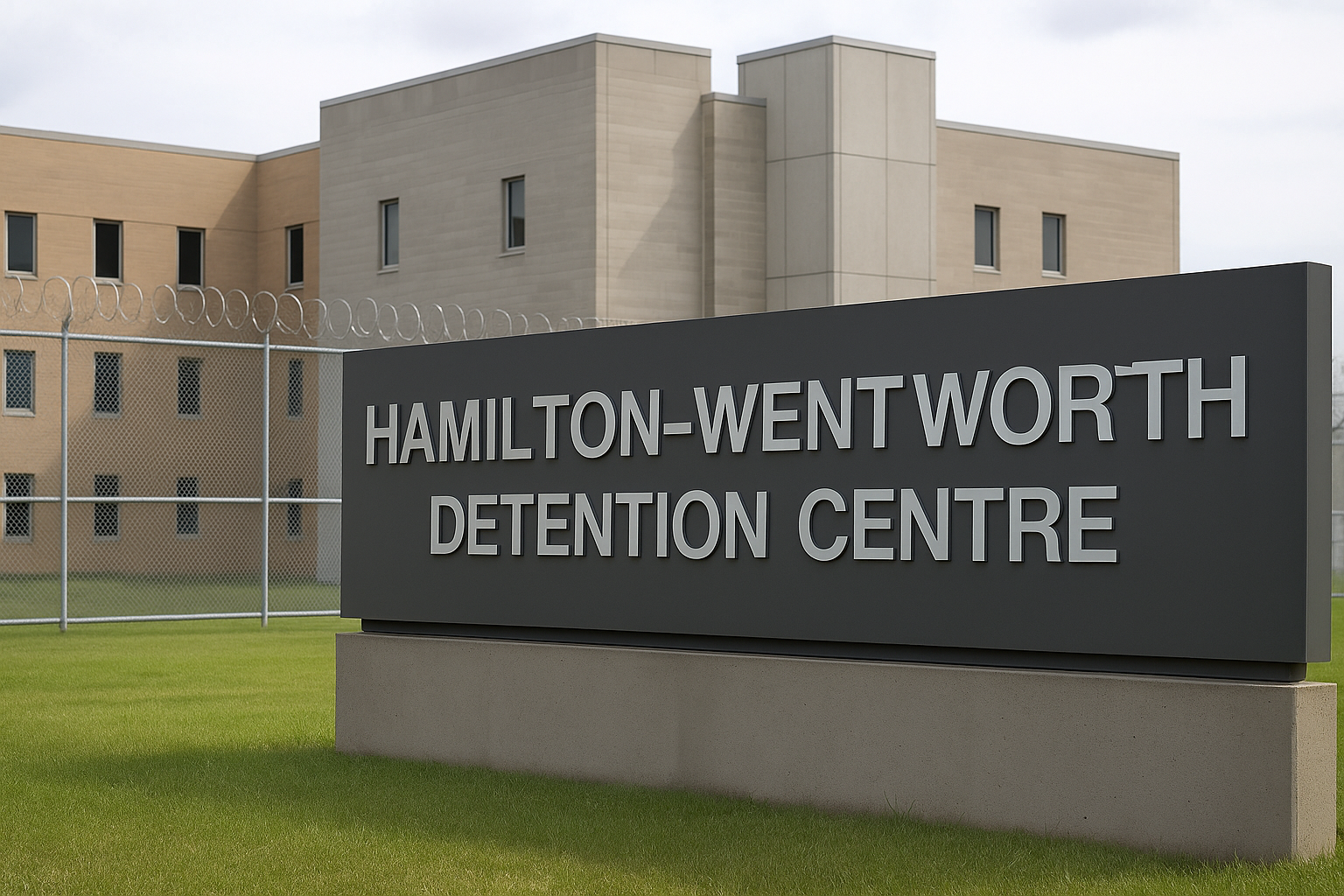
HAMILTON, Ont. — October 16, 2025. The Office of the Chief Coroner for Ontario has confirmed that an inquest into the death of Tyler Cavan, a 25-year-old man who died while in custody at the Hamilton–Wentworth Detention Centre in December 2021, will begin on Monday, October 20, 2025.
The announcement was made by Dr. Karen Schiff, Regional Supervising Coroner for the Western Region, Hamilton Office. The inquest will be presided over by Dr. Geoffrey Bond, with Phillip Tsui serving as inquest counsel.
According to the Ministry of the Solicitor General, the inquest is mandatory under Ontario’s Coroners Act, which requires an inquiry whenever a person dies while detained in a correctional facility.
The hearing will begin at 9:30 a.m. and is expected to run for approximately seven days, with testimony from about five witnesses. Proceedings will be conducted entirely by video conference, allowing members of the public to observe remotely.
Purpose and Scope of the Inquest
The inquest will examine the full circumstances surrounding Cavan’s death, including the events and conditions that led up to it. As with all such proceedings, a jury will hear evidence and may deliver recommendations aimed at preventing similar deaths in the future.
While inquests do not assign legal blame or civil liability, they serve an essential role in Ontario’s public safety and accountability framework. By reviewing systemic issues, such as correctional procedures, health and safety standards, and emergency response protocols, the findings can lead to reforms that improve conditions in the province’s correctional institutions.
Ontario’s Chief Coroner’s Office conducts several inquests each year, particularly when deaths occur in custody, workplace settings, or under circumstances where public confidence in institutional oversight is paramount.
Background on the Case
Cavan’s death occurred on December 12, 2021, while he was in custody at the Hamilton–Wentworth Detention Centre, a facility that has faced increased scrutiny in recent years following multiple in-custody deaths and ongoing calls for reform.
Although specific details regarding Cavan’s cause of death have not been released in advance of the inquest, the Coroner’s Office has confirmed that the hearing will review operational procedures, medical responses, and any contributing systemic factors.
Advocates for correctional reform have long emphasized the importance of transparency and accountability in these proceedings. Inquests of this nature often highlight issues such as inmate health care access, staff training, mental health support, and facility safety protocols — areas that have been the subject of previous recommendations from similar reviews.
Structure of the Inquest
Presiding coroner Dr. Geoffrey Bond will oversee the proceedings and ensure that evidence is presented impartially. Inquest counsel Phillip Tsui will coordinate testimony and documentation to assist the jury in understanding the timeline and circumstances of the incident.
Members of the jury, drawn from the community, will review evidence, hear from witnesses, and may suggest practical recommendations to the Ministry of the Solicitor General and related agencies. These recommendations are not legally binding but are often influential in shaping policy and operational improvements.
The hearing is open to the public and media through a livestream provided by First Class Facilitation, available at:
👉 https://firstclassfacilitation.ca/office-of-the-chief-coroner/inquest-into-the-death-of-tyler-cavan/
More information on the inquest process is available through the Government of Ontario’s website:
👉 https://www.ontario.ca/page/coroners-inquests.
A Step Toward Transparency
Inquests like this one play a crucial role in public understanding of the conditions within Ontario’s detention facilities and the measures needed to prevent future tragedies. They also provide families and the public with greater clarity about the events leading to an individual’s death while reinforcing institutional accountability.
The Hamilton–Wentworth Detention Centre has been the subject of several previous inquests and reviews, many of which have led to calls for enhanced mental health care, better staff resources, and improved safety monitoring.
For the family of Tyler Cavan, the upcoming inquest represents an opportunity to gain answers and to contribute to recommendations that could protect others in similar situations.
The proceedings are set to begin on October 20 and are expected to conclude before the end of the month.
