

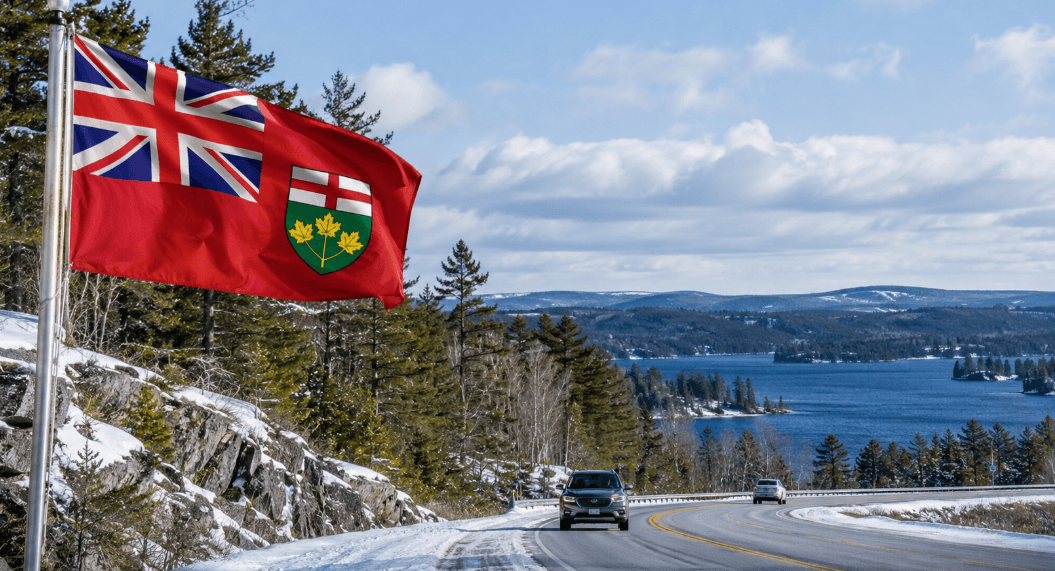
The Ontario government has announced proposed legislation aimed at accelerating economic development, reducing regulatory barriers, improving transportation infrastructure and strengthening business competitiveness across northern and rural communities.
Announced on November 23, 2026, in Georgetown, the Protect Ontario’s Northern and Rural Communities Act, 2026, would eliminate an estimated 21,000 days of administrative burden and save businesses more than $500,000 annually in compliance costs if passed.
“Strong transportation links, modern infrastructure and competitive resource sectors are essential to ensuring northern and rural communities remain vibrant places to live, work and invest,” said George Pirie, Minister of Northern Economic Development and Growth. “Through this proposed legislation, the Ontario government is taking action to build stronger, more competitive regions across the province that are well positioned for the future.”
Strengthening Northern Ontario’s Transportation Network
The legislation proposes modernizing Ontario Northland’s legislative framework, originally established in 1902, to improve accountability, increase operational flexibility and support reliable passenger rail and bus services.
The changes would support the return of the Northlander passenger rail service, scheduled to begin operations on December 10, 2026, following a 14-year absence.
Ontario is also investing more than $600 million in northern roads, bridges and highways during the 2026–27 fiscal year.
“Northern Ontario is a critical driver of our province’s economic growth and competitiveness, which is why we’re making historic investments in northern highways, rail infrastructure and ports while taking decisive action to improve road safety across the region. These investments are key to making life easier for families and businesses across the North as we continue to protect Ontario by building a stronger, more resilient and self-reliant economy.”
— Prabmeet Sarkaria, Minister of Transportation
Improving Road Safety and Enforcement
Proposed amendments would strengthen enforcement against vehicle inspection technicians who violate provincial regulations.
The government also intends to increase the minimum fine for excessive vehicle noise from $60 to $200, while maintaining the maximum penalty of $1,000.
Reducing Regulatory Barriers for Ontario Businesses
The proposed legislation would streamline natural resource permits for low-risk activities, allowing businesses, municipalities and landowners to begin routine projects sooner.
“Streamlining permits for low-risk activities will provide certainty and predictability, saving time and money for both businesses and taxpayers, while maintaining strong environmental protections. Getting projects moving quicker will help Ontario continue to build one of the fastest growing economies in the G7.”
— Mike Harris, Minister of Natural Resources
“Ontario cannot afford unnecessary delays and red tape that get in the way of economic growth. We are taking action to make it easier to invest and build by transforming permits, accelerating approvals and removing barriers. Protecting Ontario means unlocking economic opportunity, getting critical projects moving and people working. These changes will strengthen northern and rural communities across the province. By cutting red tape, we will unleash growth-ready sectors and build for the future.”
— Andrea Khanjin, Minister of Red Tape Reduction
Supporting Rural Investment and Job Creation
The legislation would strengthen the Northern Ontario Heritage Fund Corporation’s economic development mandate. The corporation has created or sustained more than 13,900 jobs since 2018.
The proposed Respecting Rural Ontario Act, 2026, would also establish a rural economic development framework and formally recognize Rural Ontario Week.
“In northern and rural communities our government is creating the conditions for businesses to invest, expand and create good-paying jobs across the province. That is why the Ministry of Rural Affairs has brought forward legislation that, if passed, will establish a framework to build programs to help ensure communities across Ontario remain competitive, resilient and well-positioned for long-term growth.”
— Lisa Thompson, Minister of Rural Affairs
Expanding Agriculture and Tourism Opportunities
“Northern Ontario is already a hub for agricultural innovation and growth. This legislation will build on that legacy, helping unleash the potential of the region and building a stronger agricultural economy in northern Ontario. By positioning northern and rural communities to support stronger local food systems, we’re ensuring that Ontario has a more sovereign, secure and self-reliant domestic food system for the decades ahead.”
— Sam Oosterhoff, Minister of Agriculture, Food and Agribusiness
Ontario also plans to develop a new trails strategy to expand recreational tourism.
“Trails are part of what makes northern and rural Ontario special — connecting people to nature, bringing visitors to small towns and helping local businesses grow. Our government is proud to bring together the people who know and use these trails best to build a new trails strategy that will open up more ways to enjoy the outdoors and bring lasting benefits to communities across the region.”
— Zee Hamid, Minister of Tourism, Culture and Gaming
With northern and rural communities contributing more than $100 billion to Ontario’s gross domestic product, the proposed measures aim to strengthen regional investment, economic resilience and long-term competitiveness.
Discover more from Wire Service Canada
Subscribe to get the latest posts sent to your email.