

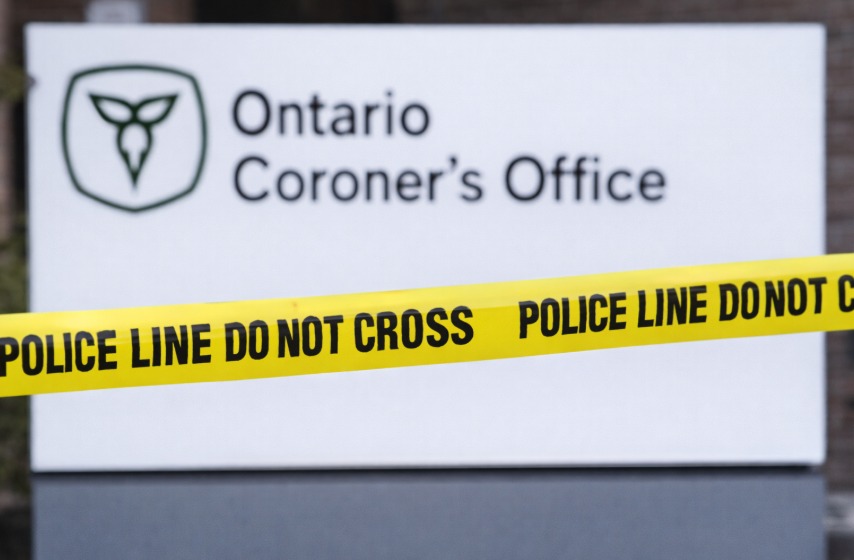
The Ontario government has postponed a scheduled coroner’s inquest into the death of Raymond Alliman, delaying proceedings that were set to begin on Jan. 5, 2026, and leaving uncertainty around when the public hearing will now take place.
In a brief notice issued Monday, the Ministry of the Solicitor General confirmed that the presiding officer overseeing the case directed that the inquest be postponed. The inquest had been scheduled to begin the same day. No explanation for the delay was provided, and the ministry did not indicate how long the postponement is expected to last.
“Further information will follow when it becomes available,” the ministry said in its statement.
Coroner’s inquests are a key component of Ontario’s death investigation system and are used in cases where a death raises public interest concerns or involves circumstances defined under the Coroners Act. While inquests are not criminal proceedings and do not determine legal liability, they play an important role in examining systemic issues and identifying opportunities to prevent similar deaths in the future.
The postponement highlights the procedural nature of inquests and the range of factors that can affect their timing. Inquests may be delayed due to scheduling conflicts, the availability of legal counsel or witnesses, unresolved legal matters, or the need for additional disclosure and preparation. In some cases, related court proceedings must conclude before an inquest can move forward.
For families awaiting an inquest, delays can be emotionally difficult, as the process is often viewed as a step toward understanding the circumstances surrounding a loved one’s death. From a broader public-policy perspective, inquests are also closely watched by public institutions, employers, unions and industry stakeholders, particularly when the death involves healthcare, corrections, policing, workplace safety or other regulated environments.
An inquest is conducted by a coroner and typically includes a jury, which hears evidence from witnesses and reviews relevant documentation. The jury’s mandate is to answer a series of statutory questions, including the identity of the deceased and how, when and where the death occurred. At the conclusion of the hearing, the jury may make recommendations aimed at preventing similar deaths. These recommendations are non-binding but are often influential in shaping policy, operational changes and safety practices across the public and private sectors.
Ontario’s inquest system has faced scrutiny in recent years due to delays and backlogs, particularly following the COVID-19 pandemic, which disrupted court operations and strained public resources. While the province has taken steps to modernize aspects of the coroner’s system, including increased use of technology and procedural reforms, postponements remain relatively common in complex cases.
The Ministry of the Solicitor General, which oversees the Office of the Chief Coroner, did not provide details on whether the postponement in the Alliman case was requested by a party to the inquest or initiated independently by the presiding officer. The ministry also did not indicate whether a new date has been tentatively identified.
For organizations and agencies that may be connected to the case, the delay means extended uncertainty and continued preparation for eventual proceedings. Inquests can require significant time and resources, including legal representation, witness preparation and internal reviews, particularly for public institutions and regulated entities.
Members of the public seeking general information about the inquest process can access resources provided by the Ontario government, which outline how inquests are conducted, when they are mandatory, and how members of the public and media may attend. Inquests are typically open to the public unless restricted by law.
As of now, the province has emphasized that the inquest has been postponed rather than cancelled, suggesting that proceedings are expected to move forward at a later date. The ministry said it will release additional information once it becomes available, including details related to rescheduling.
Until then, the timing and scope of the inquest into the death of Raymond Alliman remain uncertain, underscoring the often complex and evolving nature of Ontario’s coroner-led review process.
