

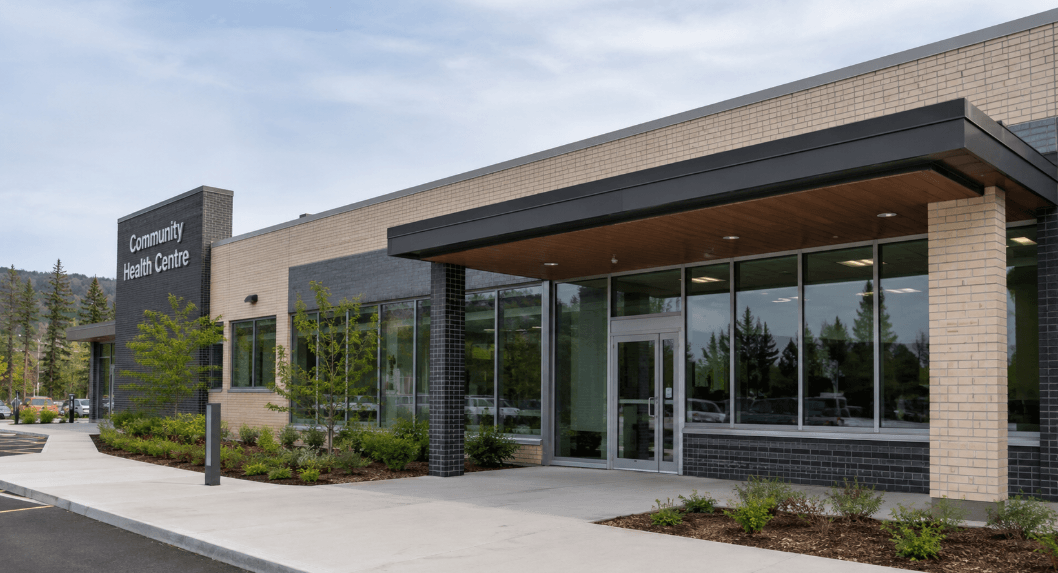
Thunder Bay clinics surpass patient attachment targets under Ontario’s $3.4-billion Primary Care Action Plan
Port Arthur Health Centre connects more than 8,000 patients, nearly triple its original target
THUNDER BAY, Ont. — The Ontario government is highlighting progress in its effort to connect every resident to a primary care provider by 2029, announcing that health-care teams in Thunder Bay have already exceeded patient attachment targets under the province’s $3.4-billion Primary Care Action Plan.
Premier Doug Ford visited the Port Arthur Health Centre on Monday, one of nearly 200 primary care teams receiving provincial funding through the initiative. The centre received $958,500 through the 2025–26 funding round and began enrolling patients in August 2025.
Since launching the program, the clinic has connected more than 8,000 patients to primary care services, significantly exceeding its original goal of 2,850 patients.
“We’re investing record amounts in health care across Ontario, building hospitals, training more doctors and nurses than ever before and connecting patients to convenient primary care in their community,” said Premier Ford. “Here in Thunder Bay, these investments are helping more people get the care they need when and where they need it. I want to thank all of our incredible partners in the community who are helping make this possible as we work to connect everyone in the province to primary care by 2029.”
The Port Arthur Health Centre is one of five Thunder Bay-area organizations participating in the provincial program. The others include Harbourview Family Health Team, Anishnawbe Mushkiki Incorporated, Matawa Health Cooperative Incorporated and Keewaytinook Okimakanak.
Together, the five organizations have connected more than 11,000 patients to primary care and have achieved 121 per cent of their combined patient attachment targets. The province has committed more than $5.2 million in funding to support their efforts.
Province seeks universal primary care access by 2029
Ontario’s Primary Care Action Plan was launched in January 2025 as part of a broader strategy to improve access to family doctors, nurse practitioners and multidisciplinary health-care teams. The initiative is supported by a provincial investment of more than $3.4 billion and aims to connect approximately two million additional residents to primary care services by 2029.
The government says one of its immediate priorities has been reducing the Health Care Connect waitlist, which tracks Ontarians seeking a family doctor or nurse practitioner. According to the province, the waitlist has been reduced by 99 per cent since January 2025, helping Ontario move toward its goal of clearing the backlog by spring 2026.
“As we work to connect everyone to primary care by 2029, our government is protecting Ontario’s health-care system by investing in new and expanded primary care teams in Ontario communities, including Thunder Bay, that will keep families healthier while relieving pressures on emergency departments,” said Sylvia Jones, Deputy Premier and Minister of Health. “We encourage those looking for a new primary care clinician to sign up for Health Care Connect, the fastest and most seamless way to get connected to a family doctor, nurse practitioner or primary care team.”
The province notes that nearly 90 per cent of Ontarians are currently connected to a regular health-care provider, the highest rate among Canadian provinces.
New funding expected to connect hundreds of thousands more patients
Ontario has completed two rounds of funding under the Primary Care Action Plan, resulting in 199 successful applicants for new or expanded interprofessional primary care teams across the province. These teams are expected to connect an additional 800,000 people to care.
The latest funding round includes 124 successful applicants that are projected to connect another 500,000 patients to primary care services, including individuals currently seeking placement through Health Care Connect.
The government is also moving forward with a provincewide Primary Care Medical Record system intended to improve coordination of care, integrate patient records and reduce administrative burdens for clinicians.
Primary care teams typically bring together a range of health professionals under one roof, including physicians, nurse practitioners, registered nurses, practical nurses, physiotherapists, social workers and dietitians. Provincial officials say this collaborative model helps improve patient outcomes while reducing pressure on hospital emergency departments.
Local investments strengthen regional health-care services
The announcement builds on broader provincial investments in northwestern Ontario’s health-care system.
“Access to primary care is essential to keeping people healthy and reducing pressure on our health-care system. Thanks to the hard work of local health-care providers, more than 11,000 people in Thunder Bay have already been connected to care,” said Kevin Holland, MPP for Thunder Bay—Atikokan. “Since 2022, our government has invested over $340 million in local health care, helping strengthen services, support frontline workers and improve access to care across our region. Today’s announcement builds on that commitment and will help ensure even more residents can access the care they need, when and where they need it most.”
The province says its broader health-care strategy, known as Your Health: A Plan for Connected and Convenient Care, continues to focus on expanding the health-care workforce and improving access to services closer to home.
Ontario reports that more than 20,000 physicians have been added to the province’s health-care workforce since 2018, including a more than 14 per cent increase in family doctors. The government also says efforts to attract health-care professionals from the United States resulted in more than 2,300 nurses and over 570 physicians choosing to practise in Ontario during 2025.
As the province works toward its universal primary care target, Thunder Bay’s results are being presented as an early example of how expanded funding and community-based health teams can accelerate access to health services across Ontario.