

Policy Shift Aimed at Boosting Tourism and Visitor Experience
OAKVILLE — The Ontario government is loosening long-standing alcohol restrictions in provincial parks, allowing adults to consume alcoholic beverages beyond designated campsites in a move aimed at enhancing visitor experience and supporting the province’s tourism economy.
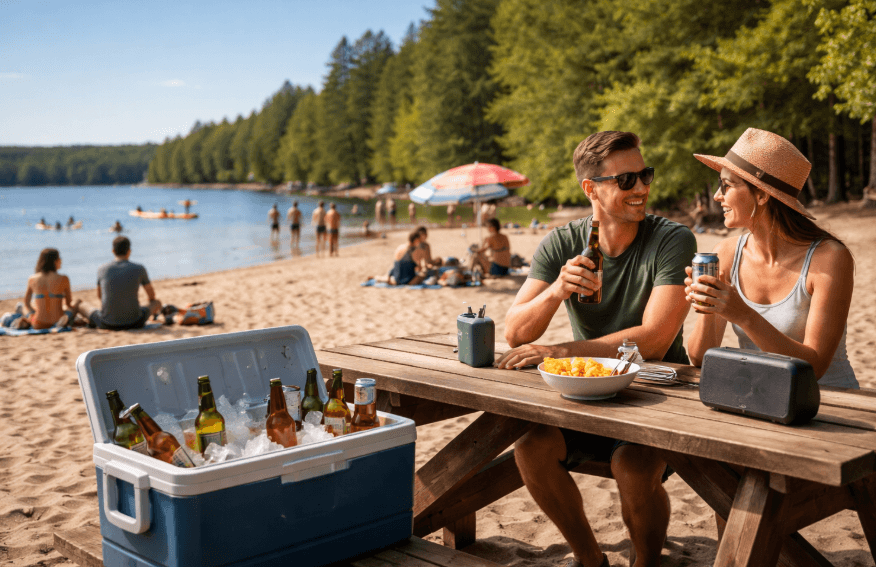
Announced Wednesday by the Ministry of the Environment, Conservation and Parks, the policy change comes into effect for the 2026 spring and summer operating season. Adults aged 19 and older will now be permitted to consume alcohol responsibly in most publicly accessible and staffed areas of provincial parks, including beaches, picnic grounds and other day-use spaces.
The change marks a significant shift from previous regulations, which limited alcohol consumption primarily to individual campsites.
Government Positions Change as Economic and Tourism Driver
Todd McCarthy said the updated rules are designed to improve the overall park experience while contributing to broader economic goals.
“Ontario Parks are some of the province’s most sought-after destinations for day trips and overnight camping, offering people a chance to connect and spend quality time together,” McCarthy said. “As families and friends gather for picnics or unwind after a long day on the trails, updated rules around where alcohol can be consumed are intended to improve the overall park experience and support local tourism, while continuing to prioritize safety. Ontario Parks are a key part of what makes our province a travel destination and we are supporting experiences that attract more visitors, strengthen communities and grow the economy.”
The province framed the decision as part of its broader strategy to build a more competitive and resilient economy by strengthening tourism and increasing visitor spending across Ontario.
Rules Still Emphasize Safety and Responsible Use
While the restrictions have been relaxed, provincial officials emphasized that existing laws governing alcohol consumption remain in force. Public intoxication, underage drinking and improper storage of alcohol in vehicles or boats will continue to be subject to enforcement.
Park authorities will also designate certain alcohol-free zones. These areas may include culturally or historically significant sites, indoor facilities where food and beverages are restricted, and locations identified as posing safety risks.
Park staff will continue to monitor compliance, with expectations that visitors consume alcohol only in permitted areas, respect others, dispose of containers properly and avoid impaired driving or boating.
Economic Impact and Tourism Context
Ontario Parks plays a significant role in the province’s tourism sector, recording more than 13 million visits annually. These visits contributed an estimated $1.2 billion to Ontario’s tourism industry in 2025, according to government data.
The province also confirmed that alcohol sales will continue at select park stores, including Bonnechere, Presqu’ile, Pinery and Halfway Lake provincial parks, with expanded availability planned for Fitzroy, Earl Rowe, Emily and Murphys Point locations during the 2026 season.
Officials say the policy aligns with other recent measures, such as expanded “bring-your-own” alcohol permits for outdoor public events, intended to give municipalities and organizers more flexibility while stimulating local economies.
Local Leaders and Industry Stakeholders Welcome Move
Stephen Crawford, Minister of Public and Business Service Delivery and Procurement, said the changes reflect the importance of parks to both communities and economic activity.
“Ontario’s provincial parks are a cornerstone of our communities and a key driver of local tourism and economic activity. By modernizing the rules to allow responsible alcohol consumption in more areas, we’re making it easier for families and friends to enjoy everything our parks have to offer while maintaining a safe, respectful and welcoming environment for all visitors.”
Effie Triantafilopoulos highlighted local benefits tied to increased visitation.
“This is a positive step that makes it easier for families and friends in Oakville North–Burlington to fully enjoy everything our beautiful provincial parks have to offer. Whether it’s a day trip to Bronte Creek Provincial Park or a relaxing picnic near Rattlesnake Point Conservation Area, giving adults the flexibility to responsibly enjoy a drink in more areas helps create a more relaxed and welcoming outdoor experience. Our community values time spent outdoors, and this update not only enhances those moments, but also supports local tourism and the small businesses that benefit from visitors exploring our region and beyond.”
Municipal leadership also voiced support for the policy.
Rob Burton said: “Oakville is proud to host Bronte Creek Provincial Park as a local recreation and tourist destination. I’m confident that Ontario’s updated rules will increase everyone’s enjoyment.”
Craft Beer Sector Sees Opportunity
Industry groups, particularly within Ontario’s craft brewing sector, see the policy as an opportunity to expand local consumption and visibility.
Scott Simmons welcomed the announcement, linking it to broader efforts to increase consumer choice.
“Ontario has been on a mission to provide more choice and convenience for craft beer lovers, and today’s announcement is another great step in that direction. Nothing goes together better than a day outdoors with craft beer from one of Ontario’s 330 locally owned breweries. Supporting local has never been more important. This summer we encourage everyone to grab their favourite local craft beer—whether from Ontario Parks stores or local shelves—and enjoy our provincial parks. It’s a win-win for craft beer lovers and local brewers. Cheers!”
Outlook
The policy change reflects a balancing act between modernization and regulation, as Ontario seeks to enhance its appeal as a domestic travel destination while maintaining safety standards.
With tourism contributing billions annually to the provincial economy and supporting hundreds of thousands of jobs, officials are betting that a more flexible park experience will translate into increased visitation and economic activity during the peak summer season.
Discover more from Wire Service Canada
Subscribe to get the latest posts sent to your email.