

$30-Million Investment Aims to Strengthen Economic Growth and Workforce Mobility
Expanded Ontario Transit Investment Fund to Support Local Transit Solutions Through 2026
LONDON, ON — The Ontario government is doubling its annual funding for a key transit programme aimed at rural and underserved communities, positioning the move as part of a broader strategy to strengthen economic growth, improve labour mobility, and enhance access to essential services.
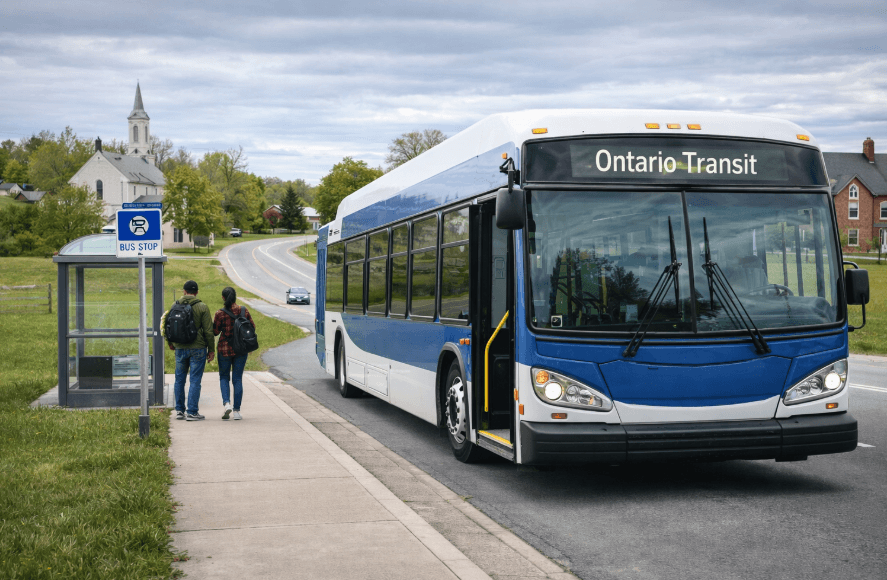
Under the 2026 provincial budget, the Ontario Transit Investment Fund (OTIF) will increase from $5 million to $10 million annually over the next three years, bringing the total investment to $30 million. The funding is intended to support the development and expansion of local transit systems, including bus routes, on-demand rideshare services, and door-to-door transportation options.
“Our government is making historic investments to expand public transit and improve access to essential services like health care for people in rural and underserved communities,” said Prabmeet Sarkaria. “This investment will ensure that Ontarians, no matter where they live, have access to reliable transportation options for years to come.”
Addressing Gaps in Regional Transportation
The OTIF, launched in 2024, was designed to help municipalities, Indigenous communities, and non-profit organizations address persistent transportation gaps, particularly in regions where traditional transit systems are limited or non-existent.
By doubling the fund, the province is seeking to accelerate the rollout of community-based transit solutions that can connect residents to employment, education, and health services—factors increasingly tied to regional economic competitiveness.
“Our plan to protect Ontario includes the most ambitious provincial capital plan in Canadian history to make Ontario the most competitive, resilient and self-reliant economy in the G7,” said Peter Bethlenfalvy. “Doubling the Ontario Transit Investment Fund will help pave the way for long-term economic growth in rural and underserved communities, connecting more people to jobs and housing.”
Eligible applicants can apply for funding on an ongoing basis, with projects receiving support for up to five years. The province is also encouraging partnerships among municipalities, Indigenous communities, and service providers to deliver integrated and sustainable transit systems.
Economic and Workforce Implications
Business groups and regional leaders say improved transit infrastructure in smaller communities can play a critical role in addressing labour shortages and supporting economic expansion.
“Doubling the Ontario Transit Investment Fund is a smart investment in Ontario’s workforce and economy. For many businesses in rural and underserved communities, reliable transit is the difference between unfilled jobs and growth. This funding reduces congestion, strengthens labour force participation, and supports economic growth across the province,” said Daniel Tisch.
The investment aligns with the province’s broader economic agenda, which includes attracting investment, lowering costs for businesses, and supporting long-term productivity. Improved transit access is also expected to help employers tap into a wider labour pool, particularly in regions experiencing population growth or demographic shifts.
Support for Indigenous and Northern Communities
The funding increase is also expected to complement other provincial initiatives, including the Indigenous Transportation Initiatives Fund (ITIF), which supports community-driven transportation projects across urban, rural, and reserve settings.
“Safe and reliable transportation options are critical for Indigenous communities throughout the province. Our investments in Indigenous-led transportation initiatives are improving safety, accessibility, and economic opportunities while supporting community driven long-term, sustainable growth,” said Greg Rickford.
Northern Ontario communities, which often face unique geographic and infrastructure challenges, are also expected to benefit from the expanded funding envelope.
“By doubling our investment in the Ontario Transit Investment Fund for the next three years, we’re helping communities across the province, including our northern communities, build safe, reliable transportation – transportation that people depend on every day to connect them to jobs, services and opportunity. This investment supports transit solutions that strengthen local economies and improve quality of life in Ontario,” said George Pirie.
Local Impact and Community Growth
Municipal leaders say the funding is already delivering measurable results. In Middlesex County, for example, local transit initiatives supported by OTIF have expanded service and increased ridership.
“We see the importance of these commitments first-hand. This funding is essential to sustaining and expanding Middlesex County Connect, our inter-community transit service. I’m happy to share that last year, the service provided more than 14,000 trips, up from 11,000 in 2024. Building on this success, we introduced another route at the start of this year. For our residents, this means greater access. For our employers, it means better labour mobility. And for our communities, it means growth that is connected, coordinated, and sustainable,” said Susan Clarke.
Provincial officials note that the programme complements other infrastructure funding streams, including the Gas Tax programme and the Connecting Links programme, both of which support municipal transportation networks.
Broader Industry and Policy Support
Industry organizations and regional economic groups have also endorsed the funding increase, pointing to its potential to enhance connectivity and productivity across Ontario.
“When Ontario succeeds, the Toronto region succeeds. Ensuring that communities across the province, including those in the areas surrounding the Toronto region, are connected to more seamless, integrated and multimodal journeys is a critical way to support commuters, boost productivity, alleviate congestion and grow the province’s economy,” said Giles Gherson.
“OPTA congratulates the Government of Ontario’s continued investment through the Ontario Transit Investment Fund, which reflects an understanding of the role that transit plays in connecting communities and supporting riders across Ontario,” added Karen Cameron.
Strengthening Rural Mobility
Rural communities, which often face limited transportation options, stand to gain significantly from the expanded funding.
“Small towns and rural communities throughout Ontario depend on consistent and reliable transit for people to get to work, make it to a doctor’s appointment or to visit family. As more people choose to call rural Ontario home, this targeted investment is important so people in need of transit options can have confidence in their mobility choices,” said Lisa Thompson.
With applications open and funding set to roll out over the next three years, the province is positioning the expanded OTIF as a cornerstone of its long-term strategy to improve connectivity, support economic resilience, and ensure equitable access to transportation across Ontario.