

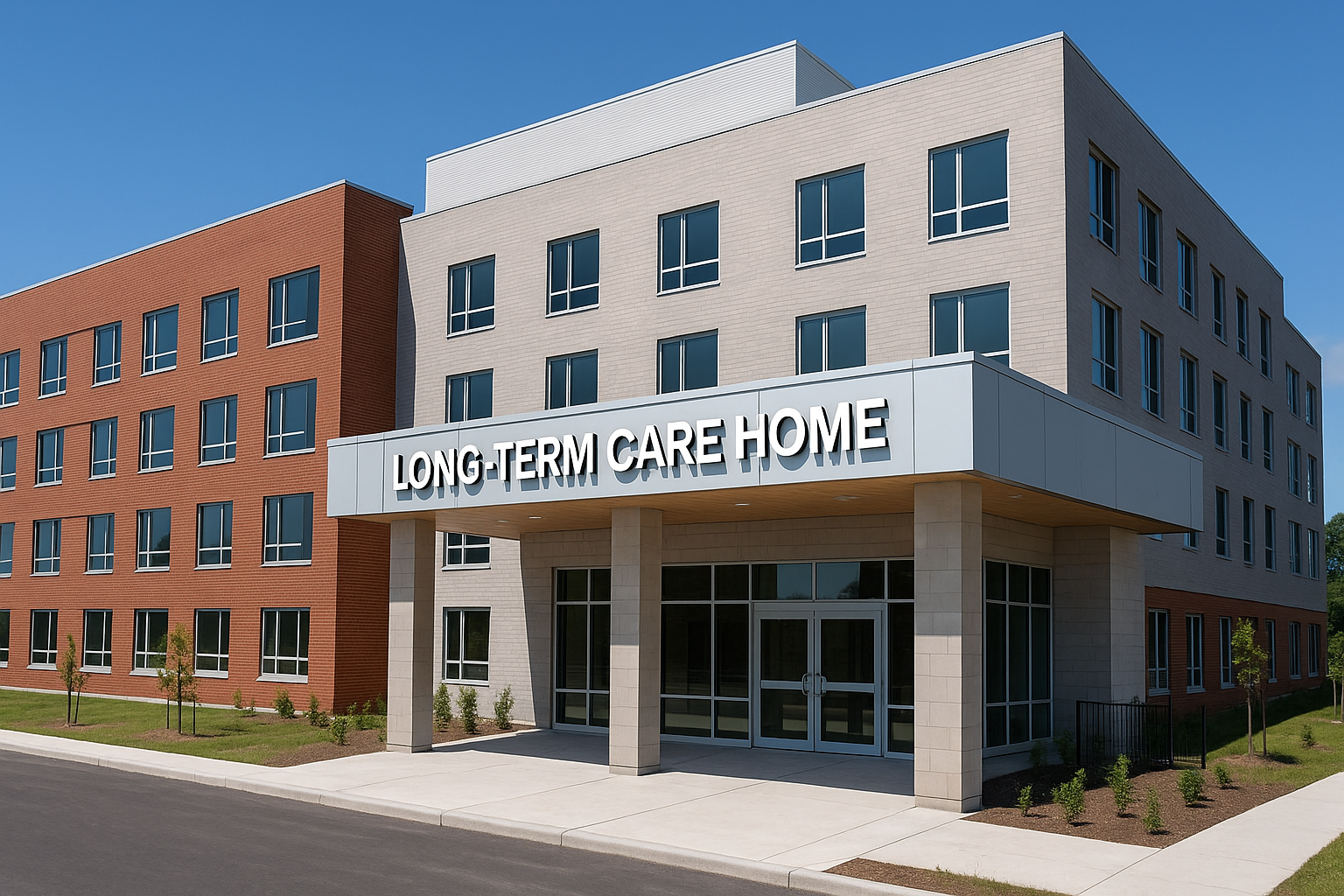
Ontario has marked a major step in its long-term care strategy with the completion of the Runnymede Long-Term Care Home, a 200-bed not-for-profit facility in Toronto. The project, which is set to welcome residents later this fall, is part of the province’s ongoing effort to expand capacity, modernize infrastructure and address longstanding pressures on the health-care system.
“This 200-bed, not-for-profit home is part of the government’s plan to fix long-term care and protect Ontario’s health-care system,” the province said in a release issued Tuesday.
Premier Doug Ford highlighted the importance of the project in strengthening care for seniors while easing strain on hospitals. “I want to thank everyone at Runnymede and all the frontline workers who make projects like this possible,” Ford said. “Together, we’re building modern long-term care homes that give our seniors the comfort and dignity they deserve while protecting Ontario’s health-care system.”
A Modern Design for Senior Care
The new facility has been designed around eight “resident home areas” (RHAs), each accommodating up to 30 residents. Every RHA features its own dining and activity rooms, lounges and bedrooms, intended to foster smaller, more familiar community settings rather than large institutional environments.
The main floor will serve as a community hub, with therapy rooms, a worship area, laundry services, recreational spaces and a welcoming lobby. Air conditioning and large common areas will also enhance comfort for residents.
In recognition of the city’s diverse population, the home incorporates a dedicated cultural floor for up to 50 residents of Maltese heritage, reflecting a commitment to culturally sensitive care.
Natalia Kusendova-Bashta, Ontario’s Minister of Long-Term Care, called the new home a “significant milestone” in the province’s long-term care expansion plan. “The new Runnymede Long Term Care Home will mark a significant milestone in our government’s plan to protect Ontario seniors and increase access to world-class health care here in Toronto,” she said. “Now that construction is complete, 200 additional residents will soon have a safe and modern place to call home.”
Expanding Ontario’s Long-Term Care Capacity
Runnymede’s completion comes as Ontario moves ahead with a broader target of building 58,000 new and upgraded long-term care beds across the province by 2028. That target, reaffirmed in the 2025 Ontario Budget: A Plan to Protect Ontario, is anchored in a four-pillar strategy: improving staffing and care levels, strengthening quality and enforcement standards, developing modern and comfortable homes, and enhancing connections to health services.
As of July 2025, 148 projects representing 24,101 new and redeveloped beds were either completed, under construction, or had ministry approval to proceed. The province has been leveraging a variety of measures to accelerate development, including modernized funding models, sales of unused government land with requirements for long-term care construction, and partnerships with hospitals to use surplus land in urban centres.
The government has stressed that expanding long-term care is essential not only for improving quality of life for seniors but also for easing hospital overcrowding. By providing appropriate care in dedicated facilities, officials say, Ontario can reduce the number of patients occupying acute-care beds while awaiting placement in long-term care.
A Campus of Care Approach
The Runnymede facility is being integrated into a broader campus of care, a model designed to connect residents seamlessly with the wider health-care system. This approach aims to reduce fragmentation, allowing residents easier access to physicians, rehabilitation services and community supports without having to move between facilities.
Officials say the campus model is central to ensuring seniors can “conveniently connect to the care they need” while maintaining strong ties to their communities.
Looking Ahead
The new Runnymede Long-Term Care Home will begin welcoming residents later this fall, adding capacity at a time when Toronto — like much of Ontario — is facing rising demand for senior care. The facility, with its modern design and cultural recognition features, is positioned as a template for future developments across the province.
For Ford’s government, the opening represents progress on a politically sensitive file that has drawn scrutiny since the pandemic, when long-term care homes across Ontario faced devastating outbreaks. The completion of Runnymede, officials argue, underscores the government’s commitment to reforming the sector and ensuring “the quality of care and quality of life Ontarians need and deserve.”
