

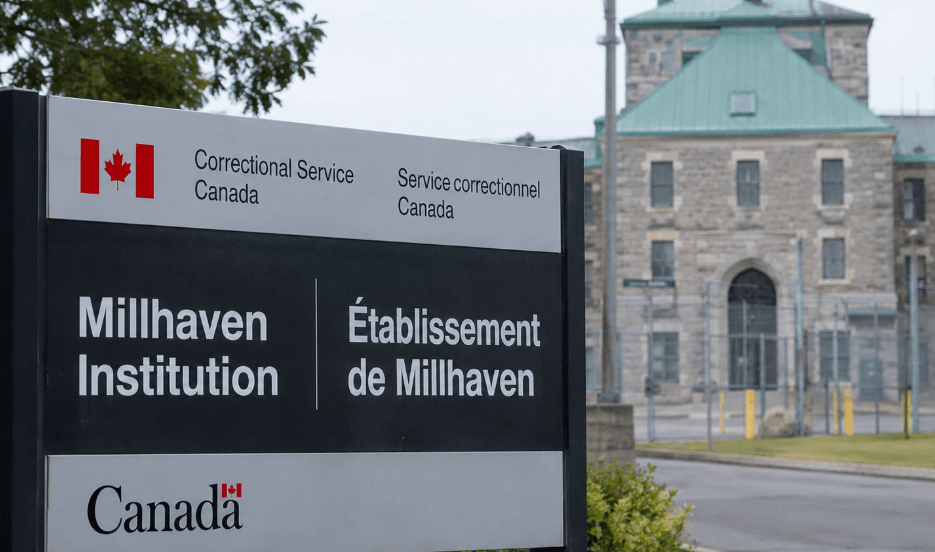
KINGSTON, Ontario — The Ontario government has announced a mandatory coroner’s inquest into the death of Shawn Quehe, a 25-year-old man who died in hospital in June 2019 after being transferred from Millhaven Institution, a federal correctional facility in Bath, Ontario.
The inquest, announced by Dr. Armita Rahmani, Regional Supervising Coroner for the East Region’s Kingston Office, will examine the circumstances surrounding Quehe’s death and consider recommendations intended to prevent similar fatalities in the future.
The proceeding is required under Ontario’s Coroners Act, which establishes the legal framework for investigating certain deaths and conducting public inquests.
Ontario Coroner to Examine Circumstances Surrounding 2019 Death
According to the Ministry of the Solicitor General, Quehe died in hospital on June 2, 2019, following his transfer from Millhaven Institution, located west of Kingston in the community of Bath.
The ministry’s announcement did not provide additional information about the circumstances leading to his hospitalization, the medical cause of death or the events preceding his transfer.
Those matters may be examined during the inquest, which will provide a formal process for reviewing evidence and establishing relevant facts surrounding the death.
Dr. Rahmani, who oversees coronial responsibilities within the Kingston region, confirmed that the inquest will proceed in accordance with provincial legislation.
The announcement comes more than seven years after Quehe’s death. The ministry has not disclosed the reason for the interval between the death and the announcement of the inquest.
Mandatory Inquest Required Under Ontario’s Coroners Act
Ontario’s Coroners Act requires inquests in certain circumstances, including specified deaths associated with correctional custody.
An inquest is a public fact-finding proceeding rather than a criminal trial. Its purpose is to examine the circumstances of a death and identify potential measures to improve public safety.
A coroner’s inquest jury generally considers five fundamental questions: who died, when and where the death occurred, the medical cause of death and the circumstances surrounding the death.
Unlike a criminal proceeding, an inquest does not determine criminal or civil liability. Instead, its findings may contribute to recommendations addressing policies, procedures, institutional practices or other factors relevant to preventing future deaths.
In Quehe’s case, the jury will have an opportunity to consider recommendations based on the evidence presented during the proceedings.
Inquest May Consider Recommendations to Prevent Future Deaths
The upcoming examination will focus on the circumstances surrounding Quehe’s death following his transfer from Millhaven Institution.
Millhaven is operated by the Correctional Service of Canada, the federal agency responsible for administering sentences of imprisonment of two years or more.
Although the institution operates under federal jurisdiction, Ontario’s coronial system has responsibilities for investigating deaths that fall within the province’s statutory requirements.
Role of Inquest Jury in Public Safety Recommendations
Recommendations arising from a coroner’s inquest can address broader public safety concerns, including institutional procedures, emergency responses, access to medical services and communication between organizations, where supported by the evidence.
Such recommendations are not legally binding. However, they can inform policy reviews, administrative decisions and operational changes by the organizations receiving them.
The ministry has not indicated whether any specific correctional policies, medical procedures or institutional practices will be examined in Quehe’s case.
The scope of the proceeding and the evidence presented will determine which issues the jury considers relevant to its findings and potential recommendations.
Inquest Date and Location Yet to Be Confirmed
The Ministry of the Solicitor General has not announced a hearing date, venue or anticipated duration for the inquest.
Provincial officials said further information about the proceedings will be released at a later date.
Once scheduled, the inquest will provide a formal opportunity to examine the circumstances of Quehe’s death through Ontario’s established coronial process.
Additional information about the province’s inquest system, including its procedures and objectives, is available through the Ontario government’s official coroner’s inquests information page.
The forthcoming proceedings will seek to establish the facts surrounding the 25-year-old’s death while allowing a jury to identify potential measures that could help prevent similar incidents in the future.
Discover more from Wire Service Canada
Subscribe to get the latest posts sent to your email.