

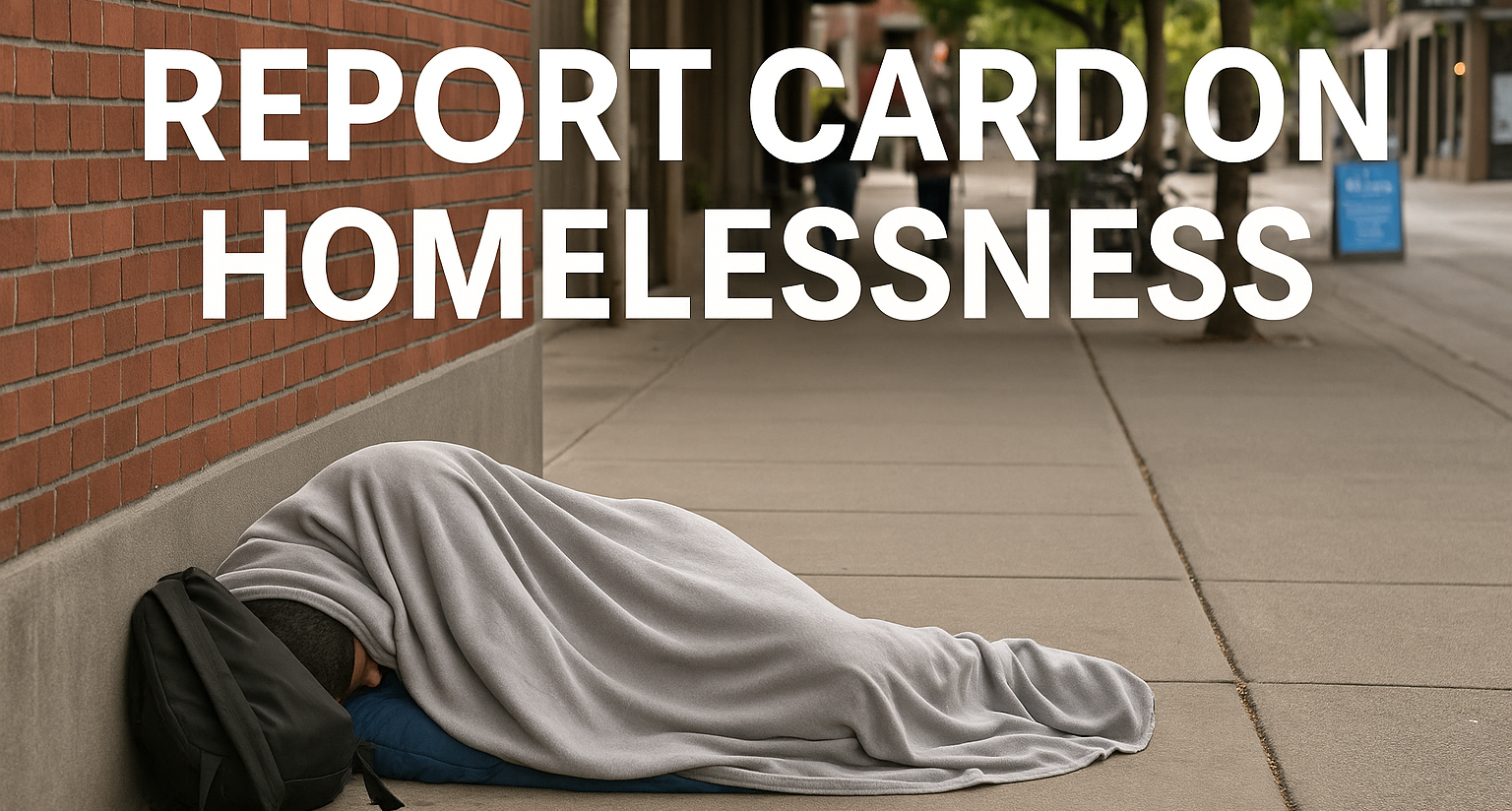
Nelson, B.C. — The Nelson Committee on Homelessness (NCOH) is preparing to unveil its 15th Annual Report Card on Homelessness, marking two decades of sustained advocacy for vulnerable populations in the community. The launch event will take place Wednesday, October 8, at 11:30 a.m. at the KAST Innovation Centre on Baker Street.
The report card, an annual benchmark for measuring local progress, is expected to shed light on emerging trends in homelessness, highlight service gaps, and examine how community supports are responding to ongoing challenges. Organizers say the findings will inform service providers, policymakers, and residents about the evolving needs of people experiencing homelessness in Nelson.
A Longstanding Advocacy Effort
Since its inception, the NCOH has served as a collaborative forum for agencies, government partners, and advocates to coordinate efforts to reduce homelessness in the region. For Co-Chair Phyllis Nash, the annual report card underscores the persistence of a community-driven response.
“We are proud of the work of this very tenacious committee that over the past 20 years has continued to advocate for those who experience homelessness in Nelson and continued to provide a forum for members to work together and support each other,” Nash said. “We maintain our stance that it is a basic human right to have a home, that ‘housing first’ is essential to address the major problems faced by the homeless populations and that it is essential to provide support to individuals as they transition from street entrenchment to permanent housing.“
The “housing first” principle has been central to the committee’s advocacy, reflecting a growing national and international consensus that permanent housing paired with social supports is the most effective way to address chronic homelessness.
Collaboration Across Agencies
This year’s report card draws on extensive local data, including results from the Point in Time Count, a survey used across Canada to capture snapshots of homelessness in specific communities. The 2025 count in Nelson was coordinated by Dylan Griffith, whose work was credited by committee members as instrumental to compiling the report card.
Amanda Ladner, Coordinated Access Lead and NCOH Coordinator, emphasized the importance of collective action. “We are immensely grateful for the contributions of the Report Card Committee and a special thank you to Dylan Griffith who organized and prepared the results of the Point in Time Count,” Ladner said. “Ending homelessness requires collaboration and bridges across several agencies and levels of government. It starts with Bridging Belonging, involving persons with living and lived experience in the solutions.”
Her comments reflect a wider push across Canadian municipalities to include people with lived experience in decision-making, an approach many experts say leads to more effective and sustainable housing strategies.
Accessibility and Community Engagement
The October 8 launch event is designed to be open and inclusive, though organizers note that the venue’s accessibility has some limitations. The KAST Innovation Centre is partially accessible, with a wheelchair ramp leading to the boardwalk in front of the building. However, the boardwalk surface is uneven, which may pose challenges for individuals using self-propelled wheelchairs or those with limited balance. Assistance is recommended for those who may require support.
The meeting space itself is wheelchair accessible, and an accessible bathroom is available approximately 50 metres down the boardwalk. Organizers stressed that they are working to ensure as many community members as possible can participate in the discussion.
Building Awareness Through Data
The annual report card has become a cornerstone of NCOH’s work, providing the community with a consistent tool to track progress and identify ongoing challenges. Over the years, the reports have helped shape local policy and fostered partnerships among service providers.
Past editions of the report card are available online through Nelson CARES Society, providing a resource for researchers, journalists, and community stakeholders interested in examining long-term trends. The 2025 edition is expected to add further insights into both systemic issues and innovative solutions being developed in Nelson.
Looking Forward
As Nelson continues to grapple with housing affordability, rising costs of living, and the impact of broader economic shifts, the NCOH insists that a collaborative approach is the only path forward. For the committee, the report card is not only an accountability measure but also a call to action for governments and the public alike.
With more than 20 years of sustained work behind it, the NCOH aims to keep homelessness on the public agenda, framing housing as a human right and emphasizing the need for permanent, supportive housing solutions.
Community members, advocates, and local officials are expected to attend the launch, where discussion will centre on the report’s findings and how they can be translated into concrete actions in the year ahead.
Past reports can be accessed at: nelsoncares.ca/committee-on-homelessness.
