

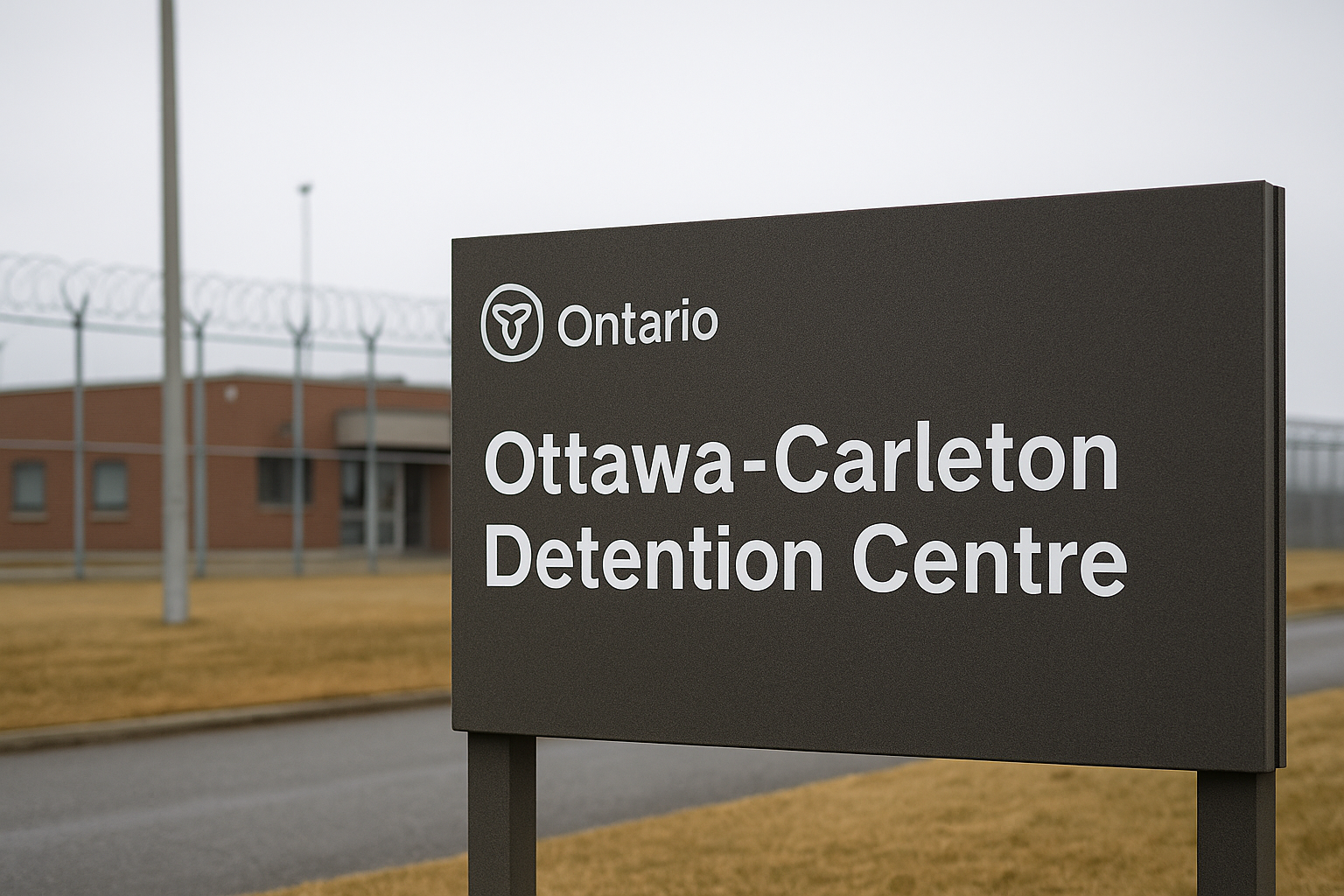
An inquest will be held into the death of 27-year-old Zakaria Sheek Hussein, who died in 2021 while in custody at the Ottawa Carleton Detention Centre, Ontario’s Ministry of the Solicitor General announced Friday.
Dr. Louise McNaughton-Filion, Regional Supervising Coroner for the East Region, Ottawa Office, confirmed that the inquest is mandatory under Ontario’s Coroners Act. “The inquest will examine the circumstances surrounding Mr. Sheek Hussein’s death,” she said in the statement. “The jury may make recommendations aimed at preventing further deaths.”
Death in Custody
Sheek Hussein died on July 24, 2021, at the Ottawa Hospital after sustaining injuries while incarcerated at the provincial jail. Few details of the incident that led to his death have been released publicly. The inquest is expected to shed new light on the events that preceded his hospitalization and death.
Under Ontario law, an inquest must be held whenever an individual dies while detained in a correctional facility. These inquests are intended not to assign blame, but to provide a public accounting of what occurred and to generate recommendations to improve policies, procedures, and safety standards within the correctional system.
Broader Context
The announcement comes amid ongoing scrutiny of conditions inside Ontario’s detention centres, particularly the Ottawa Carleton facility. The jail, which has faced criticism for overcrowding, understaffing, and violence among inmates, has been the subject of repeated calls for reform from advocacy groups and legal organizations.
The Ministry of the Solicitor General has not disclosed whether systemic issues such as staffing levels, medical care, or inmate supervision will form part of the inquest’s scope. However, past inquests into custodial deaths have often highlighted deficiencies in these areas, prompting calls for improved oversight and investment.
What Happens Next
Details on the timing and location of the proceedings have not yet been released. According to the ministry, those specifics will be announced at a later date. Inquests are presided over by a coroner and conducted before a jury of five community members. Witnesses are called, evidence is presented, and the jury ultimately issues recommendations aimed at preventing similar deaths in the future.
Unlike criminal or civil trials, inquest juries do not assign liability or fault. Instead, they provide a public forum to examine circumstances surrounding deaths and encourage transparency within public institutions.
A Case That Resonates
Sheek Hussein’s death is one of several in-custody fatalities in Ontario in recent years, underscoring the challenges facing correctional facilities across the province. Advocates have long argued that systemic neglect contributes to avoidable deaths, while government officials maintain that reforms are underway to address longstanding concerns.
While the ministry’s release was limited to procedural details, the inquest will likely attract attention from prison reform advocates, civil liberties groups, and community organizations. Families of those who have died in custody frequently use inquests as platforms to demand accountability and to push for systemic change.
Looking Ahead
For now, the ministry has emphasized the legal requirement and public interest value of the process. “Further details regarding the inquest, including the date and location, will be provided at a later date,” the statement concluded.
The outcome of the proceedings could influence correctional policy not only in Ottawa but across Ontario. As inquests have done in the past, the recommendations could shape how the province manages inmate health, safety, and oversight.
With growing public concern over deaths behind bars, the inquest into the passing of Zakaria Sheek Hussein is set to play a pivotal role in the ongoing debate over the future of correctional services in Ontario.
