

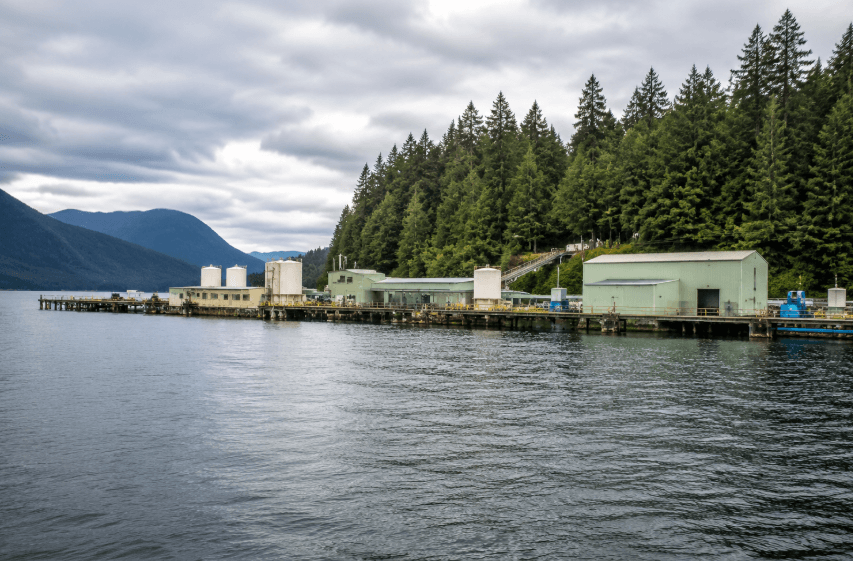
Center for Food Safety Claims Industrial Aquaculture Facility Violated Clean Water Act Rules
SEATTLE, WASHINGTON — The Center for Food Safety (CFS) has filed a federal lawsuit against Dulcich, Incorporated and Pacific Shellfish—Quilcene, LLC, known as Pacific Seafood, alleging violations of the Clean Water Act at an industrial shellfish hatchery operating along Washington’s Hood Canal.
The legal action targets the company’s Quilcene facility, which CFS claims has contributed to pollution affecting Quilcene Bay and surrounding marine ecosystems. The organization said the area supports important aquatic habitats and protected species, including endangered orca whales and coho salmon.
The lawsuit follows a 60-day notice letter issued by CFS to Pacific Seafood in May. CFS is being represented by its own attorneys along with Kampmeier & Knutsen, PLLC.
CFS Alleges Wastewater Discharges Exceeded Permit Limits
According to the lawsuit, Pacific Seafood’s Quilcene hatchery produces large quantities of shellfish seed used in commercial aquaculture operations. CFS alleges that the facility has repeatedly violated its Clean Water Act permit by withdrawing approximately one million gallons of water daily from Quilcene Bay, heating the water to encourage algae and larvae growth, and releasing wastewater back into the bay at temperatures above limits established under its National Pollutant Discharge Elimination System (NPDES) permit.
The organization claims these elevated discharge temperatures could harm aquatic species and disrupt the surrounding marine environment. CFS also alleges that the facility failed to consistently meet required monitoring obligations and other permit conditions.
“Pollution from Pacific Seafood’s industrial shellfish factory degrades sensitive aquatic habitat, adding to the cumulative effects of existing industrial shellfish aquaculture in Hood Canal and Puget Sound,” said Kristina Sinclair, staff attorney for CFS and counsel in the case. “We’re asking a court to hold this operation accountable for the pollution it is contributing to Hood Canal and the risks it is creating for the species that depend on it and the communities who use these waters.”
Industrial Shellfish Aquaculture Faces Environmental Concerns
The lawsuit comes amid broader concerns raised by environmental groups about the expansion of industrial shellfish aquaculture in Washington state.
CFS argues that large-scale shellfish monocultures can reduce biodiversity and alter marine ecosystems by changing nutrient patterns, attracting predators, introducing non-native species and diseases, and contributing biological and chemical pollutants to coastal waters.
Commercial shellfish operations currently occupy tens of thousands of acres of Washington’s marine areas. CFS estimates that between 38,700 and 50,000 acres of tidelands — nearly one-quarter of all tidelands in the state — are used for commercial aquaculture activities across Puget Sound, Willapa Bay, Hood Canal, and Grays Harbor.
The organization alleges that Pacific Seafood, a major player in the aquaculture sector, has contributed to pollution issues across multiple facilities while publicly promoting the sustainability of its operations.
Lawsuit Adds to CFS Legal Challenges Against Aquaculture Operations
The new case expands CFS’s ongoing legal efforts targeting what it describes as harmful impacts from industrial aquaculture.
The organization is already involved in separate litigation involving a Pacific Seafood facility that manufactures feed for aquaculture operations, as well as claims against three Pacific Seafood net pen aquaculture facilities along the Columbia River over alleged Clean Water Act violations.
CFS said it is among the environmental groups working to address the impacts of industrial aquaculture operations, including commercial shellfish production.
CFS Continues Campaign Over Coastal Protection
The lawsuit is part of CFS’s broader campaign focused on protecting marine ecosystems, tribal interests, and public access to clean coastal waters.
In 2019, CFS secured a court ruling aimed at limiting the expansion of industrial shellfish aquaculture along Washington’s coastlines. The decision was upheld earlier this year, according to the organization.
CFS also recently won another legal victory after a court determined that approvals for nine large-scale industrial shellfish aquaculture projects located in environmentally sensitive coastal areas were unlawful.
Through the latest filing, CFS is seeking to hold Pacific Seafood accountable for alleged Clean Water Act violations and prevent further environmental impacts linked to the Quilcene hatchery operation. The case will now move through the federal court system as both sides address the allegations.