

Systems-Based Screening Initiative Improves Early Detection and Care Access
Cebu City, Philippines — A cervical cancer prevention initiative in Cebu City is demonstrating measurable improvements in screening coverage and patient follow-through, offering a potential model for scaling life-saving interventions across urban health systems.
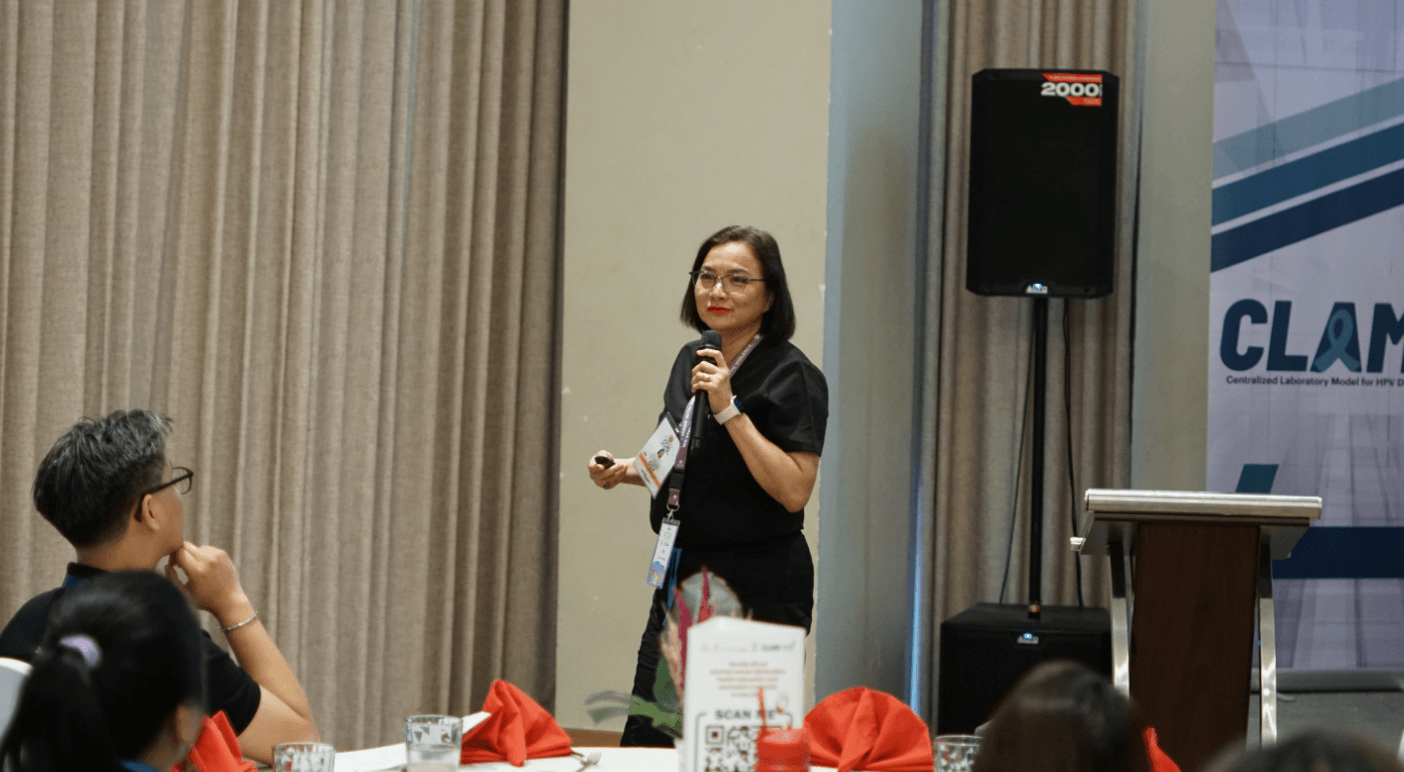
The findings were presented at a dissemination forum titled “Establishing Cervical Cancer Secondary Prevention Services in Highly Urbanized Settings,” held at Citadines Hotel Cebu. The event convened health leaders, policymakers, civil society groups, and advocates to assess the outcomes of the Centralized Laboratory Model for HPV Screening (CLAMS) Project Phase 2.
Cervical cancer remains a major public health concern in the Philippines, ranking as the second most common cancer among women. The disease claims the lives of 12 Filipino women each day. Globally, more than 300,000 women die annually from cervical cancer, with the majority of cases occurring in low- and middle-income countries, despite the disease being largely preventable through vaccination, routine screening, and early treatment.
Centralized Testing Model Addresses Access Barriers
The CLAMS 2 Project was designed to address longstanding gaps in screening access and continuity of care. Using a centralized laboratory model for HPV DNA testing, combined with a hub-and-spoke service delivery system and an improved specimen referral network, the initiative aimed to streamline both diagnosis and treatment pathways.
Persistent infection with high-risk human papillomavirus (HPV) types is the primary cause of cervical cancer, and molecular testing is widely recommended as the standard for detecting these infections. However, barriers such as cost, distance, and limited infrastructure have historically restricted access for many women.
The Cebu City project sought to overcome these challenges by strengthening system coordination and improving service delivery at the primary care level.
Screening Rates Rise, Follow-Through Improves
From January to November 2025, the initiative recorded notable progress. Screening coverage in Cebu City increased from less than one percent to three percent. While still modest, health officials say the increase represents a meaningful step forward in a system where screening uptake has traditionally been low.
More significantly, 80 percent of women who tested positive for HPV were successfully linked to clinical care. This marks a substantial improvement from previous years, when many women with abnormal results were lost to follow-up.
“This initiative shows that with the right systems in place, we can bridge long-standing gaps in women’s health services,” said Dr. Vanessa Tawi, Cebu City Cervical Cancer Control Program Manager. “The results affirm that a coordinated, systems-based approach can significantly improve early detection and ensure women receive the care they need on time.”
Focus on Continuity of Care Strengthens Health Systems
Stakeholders at the forum emphasized that the project’s broader impact extends beyond increased screening numbers. The initiative has helped strengthen the local health system’s ability to deliver continuous, patient-centered care—from community awareness and screening to diagnosis, referral, and treatment.
Efforts included workforce training, improved data systems, and clearer clinical pathways, all aimed at making services more responsive in densely populated urban settings.
“We have seen firsthand how bringing services closer to women, while ensuring strong referral systems, can save lives,” said Dr. Daisy Villa, Cebu City Health Officer. “This is not just about expanding services; it is about making them accessible, responsive, and truly centered on the needs of women.”
Collaboration Key to Scaling Across Regions
The dissemination forum also served as a platform for sharing lessons learned and aligning priorities for expanding HPV testing across Central Visayas. Participants highlighted the importance of sustained collaboration between government agencies, healthcare providers, and development partners to maintain momentum and broaden access.
Dr. Ingrid Magnata, Country Program Manager of Jhpiego Philippines, pointed to the initiative’s wider implications for public health systems.
“The CLAMS 2 Project demonstrates that effective cervical cancer prevention is achievable even in complex urban settings. By strengthening health systems and ensuring women are not lost along the care pathway, we are moving closer to eliminating cervical cancer as a public health threat,” she said.
Cebu Model Offers Blueprint for National Expansion
As the Philippines advances its cervical cancer elimination agenda, the Cebu City experience is emerging as a practical, evidence-based model for replication in other urban centres.
Health officials say the project underscores the importance of integrating screening into routine primary care while ensuring strong referral mechanisms and patient tracking systems.
The forum concluded with a renewed call for sustained investment and multi-sector collaboration to expand these interventions, with the goal of increasing screening rates, improving early diagnosis, and ultimately reducing preventable deaths among women.
With early results indicating both improved access and stronger care continuity, the Cebu City initiative signals that targeted system reforms can deliver measurable gains—even in resource-constrained, high-density urban environments.