
Civil liberties group argues police treatment of journalists during pipeline protests violated Charter rights
Hearing tied to arrest of photojournalist Amber Bracken during Coastal GasLink protests
The BC Civil Liberties Association (BCCLA) is set to appear before the British Columbia Supreme Court this week in a closely watched case involving press freedom, police conduct and constitutional rights during protests linked to the Coastal GasLink pipeline project.
The hearing, scheduled for June 11 in Vancouver, centres on a lawsuit brought by The Narwhal News Society and award-winning photojournalist Amber Bracken against the Attorney General of Canada and other parties. The plaintiffs allege the RCMP unlawfully arrested and detained Bracken while she was reporting on protests and Indigenous resistance connected to the pipeline development in northern British Columbia in 2021.
The BCCLA said it will intervene in the case to argue that the treatment of journalists covering protests represents a broader pattern of state interference with the media in Canada, particularly during police responses to Indigenous land defence actions and demonstrations.
According to court filings referenced by the organization, the plaintiffs claim their Charter-protected press freedom rights were violated because Bracken was prevented from fully documenting events on the ground and The Narwhal’s reporting was delayed as a result of her arrest and detention. The lawsuit also alleges Bracken’s rights under sections 7 and 9 of the Canadian Charter of Rights and Freedoms were infringed when she was detained for four days.
The case has attracted attention from civil liberties advocates and media organizations across the country, who argue it could have significant implications for how journalists are treated while reporting from protest sites and other areas of public interest.
BCCLA argues press freedom requires stronger constitutional protection
The BCCLA said its intervention will focus on the need to recognize freedom of the press as a distinct constitutional right, separate from the broader protection of freedom of expression under the Charter.
The organization contends that journalists play a critical role in documenting police activity, particularly in remote locations and during conflicts involving Indigenous communities and marginalized groups.
In its advisory ahead of the hearing, the BCCLA pointed to several historical confrontations between police and Indigenous land defenders, including the Oka Crisis, Gustafson Lake, Fairy Creek and Wet’suwet’en territory, arguing that restrictions on journalists have occurred repeatedly over decades.
The association said stronger legal recognition of press freedom is necessary to ensure independent reporting can continue during high-profile disputes involving law enforcement and public authorities.
Litigation director says free press is essential to democracy
Vibert Jack, litigation director for the BCCLA, said the case raises broader concerns about public accountability and access to information.
“A free press means an informed public, which is a cornerstone of a functioning democracy. Protecting freedom of the press means protecting everyone’s right to know. When journalists like Amber Bracken put themselves at risk to tell us the important stories we need to know, the least we can do is stand alongside them to defend their constitutional rights.”
Bracken, a respected Canadian photojournalist, was arrested by RCMP officers in November 2021 while covering enforcement actions near Wet’suwet’en territory. Her arrest drew criticism from press freedom advocates nationally and internationally, with several organizations raising concerns about journalists’ ability to report independently from protest sites involving police operations.
The Narwhal, an independent Canadian journalism outlet focused on environmental reporting, has maintained that the arrest interfered with its ability to provide timely coverage of events surrounding the pipeline protests.
Legal teams prepare for Vancouver hearing
The BCCLA is being represented in the case by Noah Ross of Noah Ross Law Corporation, Erica Olmstead of Edelmann & Co. Law Offices and BCCLA staff counsel Veronica Martisius.
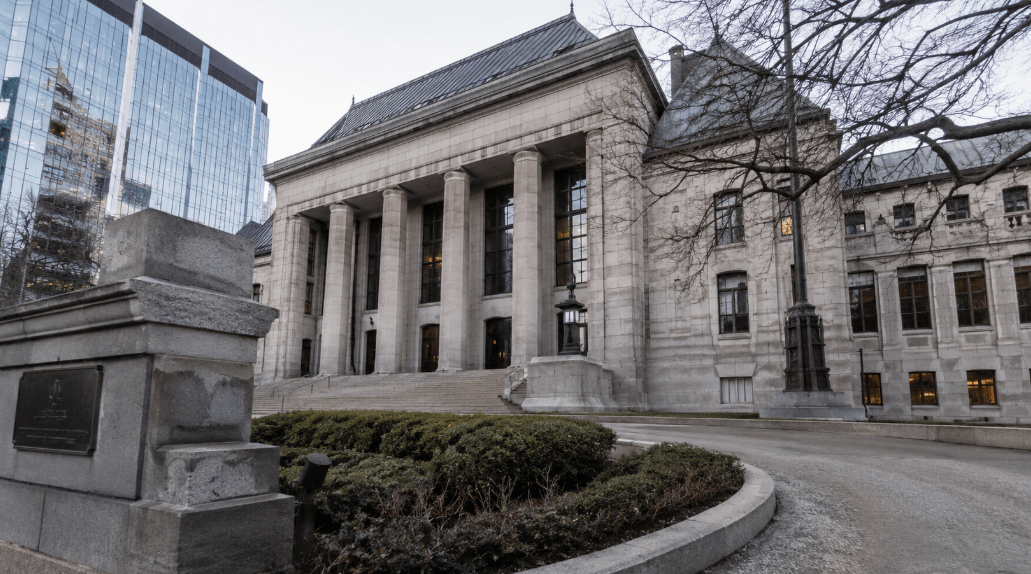
The hearing will take place at the Supreme Court of British Columbia at 800 Smithe Street in downtown Vancouver beginning at 10 a.m. PST.
Representatives from the BCCLA, including Martisius, Ross and Olmstead, are expected to be available at the courthouse during proceedings. Jack will also be available for phone and virtual interviews following the hearing.
Legal observers say the outcome of the case could help clarify the scope of constitutional protections afforded to journalists reporting on protests, police actions and Indigenous resistance movements in Canada. The decision may also influence future operational policies governing interactions between law enforcement agencies and members of the media in conflict zones and remote enforcement locations.