

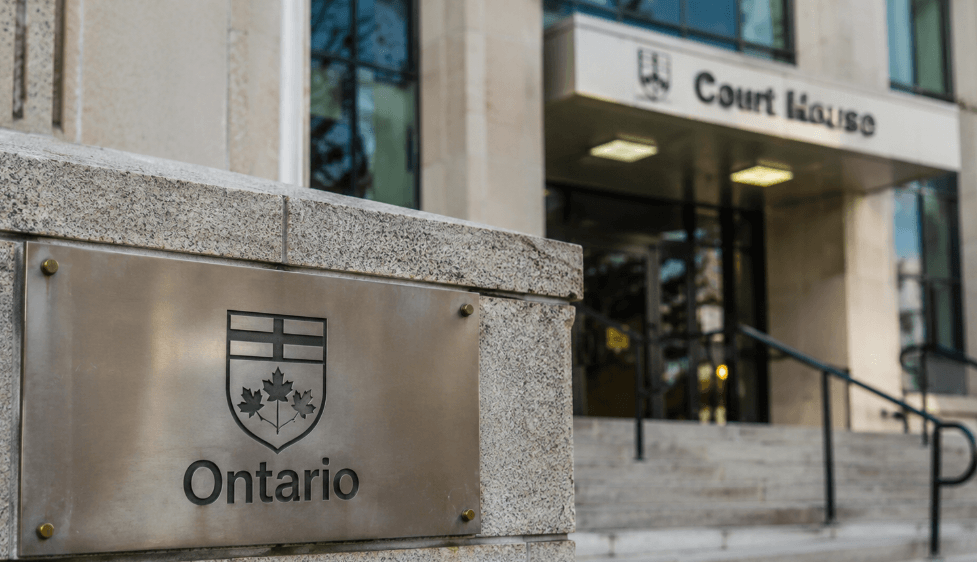
The Ontario government has announced that a mandatory coroner’s inquest will be held into the death of Clarence Strong, a 60-year-old man who died in May 2019 following an interaction with officers from the Treaty Three Police Service.
Dr. Kevin Miller, Regional Supervising Coroner for the Northeast Region Office, confirmed the forthcoming inquest through a statement issued by Ontario’s Ministry of the Solicitor General.
The proceeding will examine the circumstances surrounding Strong’s death and provide an opportunity for a coroner’s jury to consider recommendations intended to prevent similar fatalities in the future.
The province has not yet announced a date or venue for the hearing, with further information expected to be released at a later stage.
Coroner’s Inquest to Examine Circumstances of 2019 Death
Clarence Strong died on May 31, 2019, following an interaction with officers from the Treaty Three Police Service earlier that same day.
According to the provincial announcement, the circumstances of his death require a mandatory inquest under Ontario’s Coroners Act, which establishes the legal framework for investigating certain deaths and conducting public inquests.
The announcement does not provide additional details about the interaction between Strong and the officers or the specific medical circumstances surrounding his death.
The upcoming proceeding will focus on examining the available evidence and establishing the circumstances relevant to the fatal incident.
Role of Ontario’s Coroner and Inquest Jury
A coroner’s inquest is a formal public proceeding designed to examine the circumstances surrounding a death and identify potential measures that could improve public safety.
In Ontario, an inquest jury generally considers evidence presented during the hearing to establish key facts, including the identity of the deceased, when and where the death occurred, and the medical cause and circumstances of death.
Unlike a criminal trial, a coroner’s inquest does not determine criminal guilt or assign civil liability.
Instead, its primary purpose is to establish facts and, where appropriate, develop recommendations that may help prevent similar deaths.
In Strong’s case, the jury may make recommendations based on the evidence presented during the proceedings.
Such recommendations could address relevant safety practices, operational procedures or institutional policies, depending on the findings of the inquest.
Mandatory Inquest Required Under Ontario’s Coroners Act
Ontario’s Coroners Act sets out the circumstances in which an inquest must be conducted, as well as situations where a coroner may determine that an inquest is necessary in the public interest.
The legislation supports independent examinations of certain deaths, particularly where broader public safety considerations warrant additional scrutiny.
The Ministry of the Solicitor General has confirmed that an inquest into Strong’s death is mandatory under the legislation.
The hearing will provide a structured process for reviewing the circumstances of the incident and considering whether lessons can be identified to reduce the risk of future fatalities.
Potential Recommendations for Public Safety
Recommendations arising from coroner’s inquests are intended to support improvements in practices, procedures and policies.
Depending on the evidence presented, recommendations may be directed toward organizations, public authorities or other institutions connected to the circumstances under examination.
However, the jury is not required to issue recommendations, and any recommendations it makes are generally non-binding.
The potential scope of recommendations in Strong’s case will become clearer once the inquest begins and the relevant evidence is examined.
No findings or recommendations have been announced at this stage.
Inquest Date and Venue Yet to Be Confirmed
The Ministry of the Solicitor General has indicated that additional information about the inquest, including its scheduled date and location, will be provided later.
The announcement does not identify the presiding inquest coroner, expected witnesses or anticipated duration of the proceedings.
Those details may become available as preparations for the hearing progress.
For now, the announcement formally confirms that Ontario will proceed with a mandatory examination of Clarence Strong’s death more than seven years after the incident.
The inquest is expected to provide a public account of the circumstances surrounding his death and an opportunity for the jury to consider measures aimed at preventing similar tragedies.
The province has not specified when further scheduling information will be released.
Discover more from Wire Service Canada
Subscribe to get the latest posts sent to your email.