

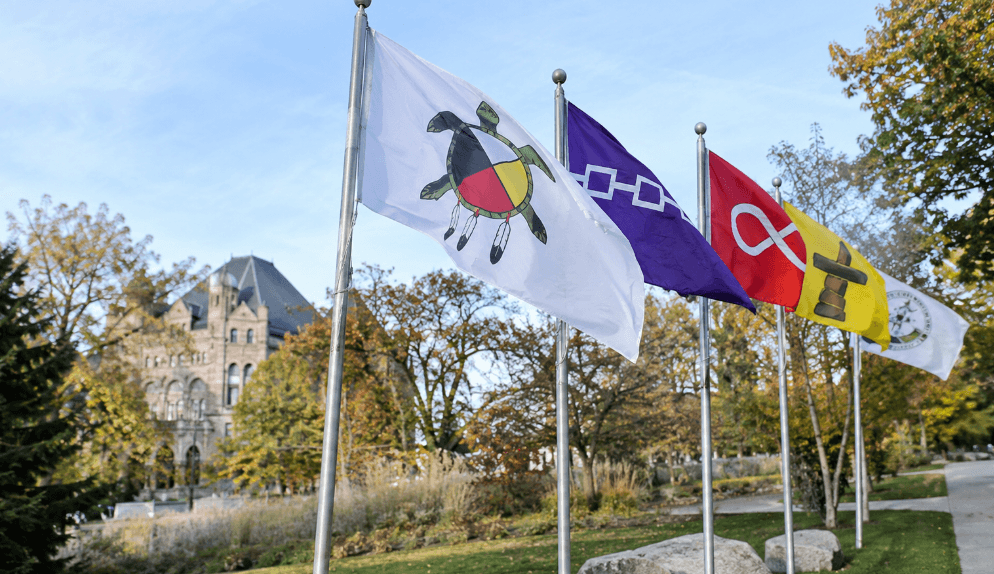
TORONTO — Ontario is marking the tenth anniversary of Treaties Recognition Week, reaffirming the importance of historic agreements with First Nations and their continuing role in reconciliation, economic development and shared prosperity across the province.
In a statement issued on November 2, 2026, Greg Rickford, Ontario’s Minister of Indigenous Affairs and First Nations Economic Reconciliation and Minister Responsible for Ring of Fire Economic and Community Partnerships, emphasized the importance of strengthening Treaty relationships while supporting major infrastructure, resource development and economic opportunities.
The milestone provides an opportunity for Ontarians to better understand the agreements that continue to shape relationships between Indigenous communities, governments, businesses and residents.
Ten Years of Recognizing Ontario’s Historic Treaties
Treaties Recognition Week was established to increase public awareness of the historic and ongoing significance of Treaties between First Nations and the Crown.
Ontario is covered by more than 46 Treaties and agreements, which remain foundational to relationships involving land, governance, resources and economic participation.
Marking the tenth anniversary, Rickford highlighted the importance of understanding these agreements and their continuing relevance to communities throughout the province.
“This year, we mark the tenth anniversary of Treaties Recognition Week, an annual opportunity to learn and reflect on the histories and ongoing importance of the more than 46 Treaties and agreements that make it possible for people to live, work and share the land across Ontario.”
The annual observance encourages residents, educational institutions, businesses and public organizations to learn about the Treaties associated with the lands on which they operate.
It also provides an opportunity to examine how Treaty commitments influence contemporary relationships and responsibilities between First Nations and the provincial government.
Indigenous Economic Reconciliation Remains a Provincial Priority
Ontario’s statement connects Treaty recognition with broader efforts to advance economic reconciliation, particularly through partnerships involving infrastructure, natural resources, energy and workforce development.
The provincial government has identified collaboration with First Nations as an important component of its approach to building a more competitive and resilient economy.
Rickford said the province intends to continue working with Treaty partners to address community priorities while pursuing economic opportunities that could deliver long-term benefits.
“These Treaties remain central to advancing reconciliation and opening new pathways to shared economic prosperity. This week and beyond, our government is proud to continue working closely with Treaty partners to strengthen relationships and support community priorities, while advancing major legacy projects, economic and skills development and resource and energy projects to build a more competitive, resilient and self-reliant economy that benefits everyone.”
Resource Development and Infrastructure Partnerships
The government’s emphasis on resource and energy projects reflects the economic importance of Indigenous participation in major development initiatives across Ontario.
Northern Ontario, including the mineral-rich Ring of Fire region, remains a significant area of interest for resource development and associated infrastructure investment.
Projects in such regions can involve complex considerations surrounding Treaty rights, environmental protection, community consultation and economic participation.
For businesses and investors, effective partnerships with First Nations are an important consideration in project planning, regulatory processes and long-term development.
The province’s statement did not announce additional funding, new agreements or specific project approvals associated with the anniversary.
Treaty Education and Shared Responsibilities Across Ontario
Beyond economic development, the anniversary highlights the importance of public education and awareness of Treaty relationships.
Understanding Treaty history is relevant to municipalities, employers, schools and organizations whose activities take place on lands covered by historic agreements.
The government is encouraging Ontarians to recognize that Treaties are not simply historical documents but continuing commitments that shape relationships and responsibilities today.
Building Long-Term Relationships Through Treaty Awareness
Rickford concluded his statement by calling on residents to learn more about the agreements connected to their communities.
“As we mark this milestone anniversary, I encourage everyone to take time to learn about the Treaties that cover the land where they work, study and live. By deepening our understanding of these commitments and our shared responsibilities, we can continue working together to advance lasting economic prosperity and reconciliation for all.”
The tenth anniversary of Treaties Recognition Week comes as Ontario continues to emphasize Indigenous partnerships within its broader economic development agenda.
While the observance focuses on education and recognition, the government’s message also underscores the continuing importance of Treaty relationships in shaping investment, infrastructure planning and economic opportunities.
For Ontario, the anniversary serves as a reminder that reconciliation and economic development are closely connected to the province’s ongoing responsibilities under historic Treaty agreements.
Discover more from Wire Service Canada
Subscribe to get the latest posts sent to your email.