

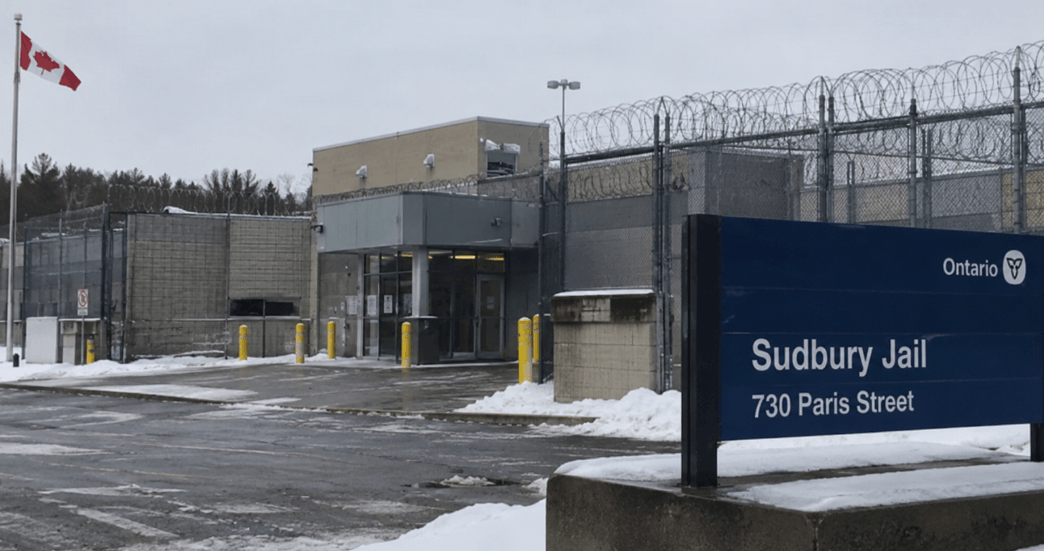
The Ontario government has announced a mandatory coroner’s inquest into the death of Jessie Mayhew, a 27-year-old man who died in hospital after being transferred from the Sudbury Jail in February 2022. The proceedings will examine the circumstances surrounding his death and may result in recommendations aimed at preventing similar fatalities.
The announcement was made on October 28, 2026, by Dr. Laura Piccinin, Regional Supervising Coroner for Ontario’s North Region, Sudbury Office, through the Ministry of the Solicitor General.
The inquest is required under Ontario’s Coroners Act, which establishes the legal framework for investigating certain deaths, including those involving individuals in custody.
Coroner’s Inquest to Examine Circumstances of Jessie Mayhew’s Death
According to the provincial announcement, Mayhew died in hospital on February 11, 2022, following his transfer from the Sudbury Jail.
The ministry did not provide additional details about the medical circumstances surrounding his death or the events that preceded his transfer to hospital.
The forthcoming inquest will provide a formal process for examining the circumstances of the case, including evidence relevant to Mayhew’s death.
Under Ontario’s coroners’ inquest system, a jury hears evidence presented during public proceedings and determines the circumstances of a death within the scope of its mandate.
The process is intended to establish facts and identify potential measures that could improve public safety and prevent future deaths.
Inquest Mandatory Under Ontario’s Coroners Act
Ontario law requires inquests into certain categories of deaths, including deaths involving people in custody, subject to the applicable statutory provisions.
These mandatory proceedings form part of the province’s oversight framework for correctional institutions and other custodial settings.
Unlike criminal trials or civil lawsuits, coroners’ inquests are not designed to determine criminal or civil liability. Instead, their primary purpose is to examine the circumstances surrounding a death and consider whether changes to existing practices, procedures or systems could reduce the risk of similar incidents.
In Mayhew’s case, the provincial government has confirmed that an inquest is mandatory but has not yet disclosed the specific issues that will be examined during the hearings.
Jury May Recommend Measures to Prevent Future Deaths
A central component of Ontario’s inquest process is the ability of a jury to issue recommendations after considering the evidence.
Such recommendations may address matters relating to institutional procedures, operational practices, health care, emergency response or other issues identified during the proceedings.
However, any recommendations will depend on the evidence presented and the jury’s findings.
Role of Coroner’s Inquests in Correctional Oversight
Coroners’ inquests serve an important public accountability function by allowing deaths in specified circumstances to receive formal examination.
For correctional institutions, these proceedings can provide an opportunity to assess whether existing systems and procedures adequately address risks affecting individuals in custody.
The findings may also offer guidance to government ministries, correctional administrators, health-care providers and other organizations responsible for implementing relevant policies.
Although inquest recommendations are not legally binding, they can inform institutional reviews, administrative decisions and potential improvements to public safety practices.
The proceedings also provide a structured means of making evidence about the circumstances of a death available for public consideration.
Ontario Yet to Confirm Inquest Date and Location
The Ministry of the Solicitor General has not announced a date or venue for the inquest into Mayhew’s death.
According to the government, additional information regarding the proceedings will be released at a later date.
Details about the presiding coroner, hearing schedule and other procedural arrangements have not yet been provided in the announcement.
The province has directed those seeking further information about the inquest process to its official Coroners’ Inquests information page.
Next Steps in the Inquest Process
Once the hearing arrangements are confirmed, the inquest will move forward under Ontario’s established coronial procedures.
Evidence presented during the proceedings will help the jury examine the circumstances surrounding Mayhew’s death and determine whether recommendations for preventing future fatalities are warranted.
The announcement marks a formal step toward examining the death of the 27-year-old following his transfer from the Sudbury Jail.
For now, the timing and location of the hearing remain outstanding, with the province expected to release further details as arrangements are finalized.
Discover more from Wire Service Canada
Subscribe to get the latest posts sent to your email.