

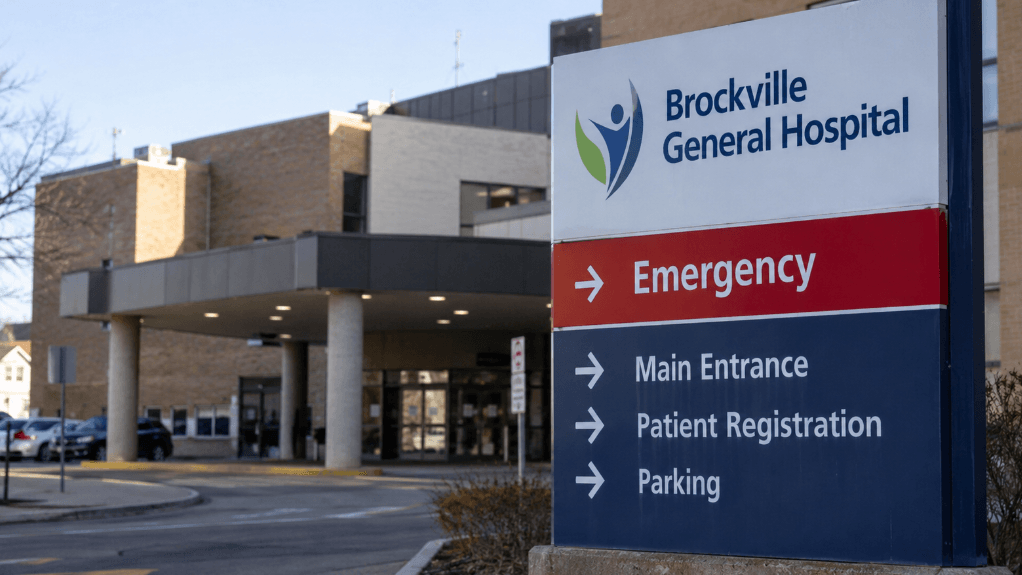
Ontario’s Office of the Chief Coroner has scheduled an inquest into the death of Gregory Wilkinson, a 54-year-old man who died at Brockville General Hospital in February 2022 after being transferred from Brockville Jail. The proceedings will begin on November 23, 2026, and will examine the circumstances surrounding his death, with a jury potentially recommending measures to prevent similar incidents.
The announcement was made on October 16, 2026, by Dr. Armita Rahmani, Regional Supervising Coroner for Ontario’s East Region, Kingston Office.
Inquest into Gregory Wilkinson’s Death to Begin November 23
The inquest is scheduled to begin at 10:00 a.m. on Monday, November 23, 2026, and is expected to continue for five days.
Etienne Esquega has been appointed as the presiding officer, while Indira Stewart will serve as inquest counsel.
According to the Ministry of the Solicitor General, approximately nine witnesses are expected to provide evidence during the proceedings.
The inquest will be conducted by video conference, allowing members of the public to observe the hearings remotely.
Background of the February 2022 Death
Gregory Wilkinson died on February 3, 2022, at Brockville General Hospital after being transferred from Brockville Jail, a correctional facility in eastern Ontario.
He was 54 years old at the time of his death.
The ministry’s announcement did not provide additional information about the medical circumstances surrounding his death or the events leading to his transfer to hospital.
Those circumstances will form part of the examination conducted during the inquest.
Under Ontario’s Coroners Act, an inquest into Wilkinson’s death is mandatory because of the circumstances associated with his detention.
Ontario Coroners Act Requires Examination of Custody-Related Deaths
Ontario’s coroners’ inquest system provides a public process for examining certain deaths, including deaths involving people in custody.
Inquests are intended to establish relevant facts surrounding a death and identify potential opportunities to improve public safety.
Unlike criminal trials, coroners’ inquests do not determine criminal or civil liability. Their primary purpose is to establish the circumstances of a death and consider recommendations that could reduce the risk of similar incidents.
Jury May Recommend Measures to Prevent Future Deaths
During the proceedings, witnesses may provide information relevant to Wilkinson’s death, including the circumstances surrounding his transfer from the correctional facility to hospital.
The evidence presented will help the jury examine the events associated with his death.
At the conclusion of the hearing, the jury may issue recommendations intended to prevent future deaths in comparable circumstances.
Such recommendations can address broader public safety considerations, including institutional procedures or practices where supported by the evidence.
However, the jury is not required to make recommendations, and any proposals arising from the proceedings will depend on the testimony and other evidence presented.
The ministry has not identified specific institutional failures or safety concerns in its announcement.
Five-Day Virtual Inquest Open to the Public
The upcoming hearing will be conducted entirely through video conferencing, providing remote public access to the proceedings.
Members of the public, journalists and other interested observers will be able to follow the hearing through the designated livestream.
How to Watch the Gregory Wilkinson Inquest
The inquest is scheduled to begin at 10:00 a.m. on November 23, 2026.
Public access will be available through the official viewing page:
Inquest into the Death of Gregory Wilkinson – Public Livestream
Additional information about Ontario’s coroners’ inquest process, including its purpose and procedures, is available through the Government of Ontario’s coroners’ inquests information page.
Proceedings to Examine Circumstances and Potential Safety Recommendations
The November hearing will provide a formal public examination of Wilkinson’s death more than four years after the incident.
With approximately nine witnesses expected over five days, the proceedings will focus on establishing the circumstances surrounding his death and determining whether recommendations could help prevent similar fatalities.
The outcome may contribute to ongoing discussions about accountability, transparency and safety within Ontario’s correctional and custodial systems.
Any findings and recommendations will depend on the evidence presented during the inquest, which is scheduled to begin on November 23, 2026.
Discover more from Wire Service Canada
Subscribe to get the latest posts sent to your email.